
Fame, Time, and the Afterlife of Images
BlondeThis thread examines how celebrity turns Marilyn Monroe into a durable public image while the private woman confronts mortality, political scrutiny, and the limits of being remembered.
increasing Bearing strength in each event
 decreasing
Bearing strength in each eventdecreasingFrom Unknown Girl to Public Image

From Unknown Girl to Public Image
Visibility as opportunity
Photographs made during wartime employment bring Norma Jeane to the attention of photographers and studios. They offer a route out of financial insecurity, but they also begin converting her face and body into images that circulate beyond her control.
Recognition and estrangement
The new name and the first screen appearances make her recognizable to strangers before they know anything about her private life. The public figure begins to acquire a life of its own, promising escape from obscurity while making it harder for Norma Jeane to decide who is being seen.
Fame as a New Religion
Fame as a New Religion
The public’s devotion
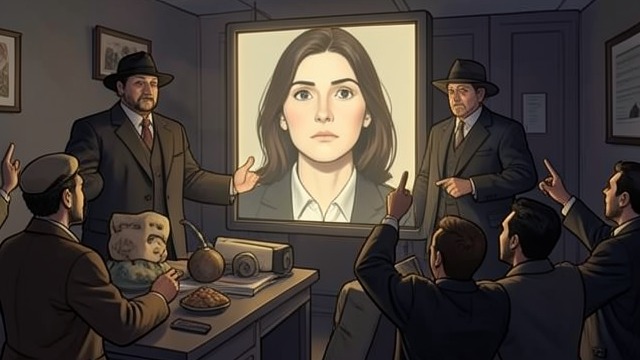
The success of Niagara turns Marilyn Monroe into a figure whose appearance and name draw crowds, headlines, and industry attention. The novel describes celebrity as a public ritual: admirers gather, photographers document, and strangers behave as if the star belongs to them.
Worship without knowledge
Public devotion may resemble love, but it does not require knowledge of the person being adored. Marilyn’s image can comfort and excite an audience while leaving the private woman isolated. The myth’s permanence is purchased through repeated exposure and through the performer’s submission to the gaze.
Politics in the Spotlight

Politics in the Spotlight
Private beliefs under public suspicion
The novel places Hollywood’s artists within an atmosphere of loyalty oaths, investigations, and blacklisting. The threat of political exposure shapes which friendships are safe, which opinions can be voiced, and which careers can continue.
Celebrity as vulnerability
For Marilyn, the danger is not only public scandal but the possibility that a careless statement may be interpreted as evidence against her or her associates. Her desire to speak honestly collides with the need to protect her work and the people around her. Public visibility amplifies both her influence and her exposure.
The Image Outlives the Body
The Image Outlives the Body
The circulation of a face
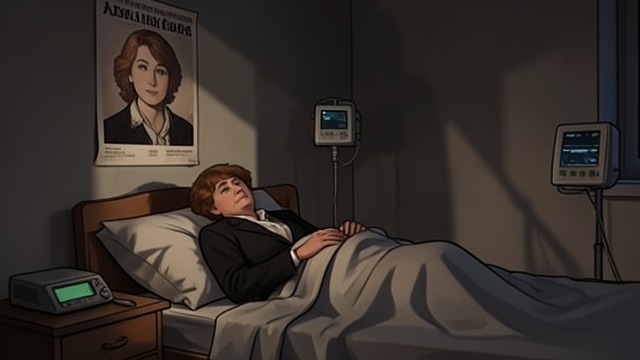
Photographs, posters, films, and publicity transform Marilyn Monroe into an image that can be reproduced long after the moment of performance. The face on screen seems fixed and available even as the woman behind it changes, suffers, and tries to withdraw.
Fame and mortality
The novel repeatedly contrasts cinematic permanence with bodily vulnerability: images endure, but bodies age, become ill, and die. The public may preserve a radiant Marilyn while ignoring the living person’s fear and exhaustion. That split makes celebrity both a form of survival and a denial of mortality.
The Myth After Death
The Myth After Death
A death staged as narrative
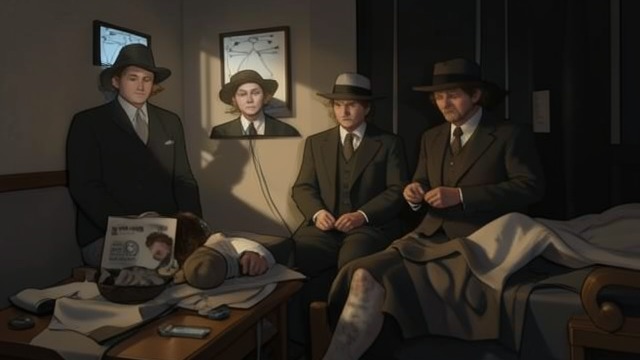
The novel’s opening frames death through a delivery and the charged arrival of an object, making the final event feel at once ordinary and mythic. The imagined account resists settling into documentary certainty, preserving the instability that has shaped the novel from its beginning.
The image becomes a legend
After death, the public figure can be fixed forever in a single image, but the novel leaves the private self unresolved. The myth offers an answer to the fear of disappearance while repeating the original wound: other people decide what the life meant. The final vision of a movie-like farewell turns that tension into the book’s last question about love, memory, and who gets to narrate a life.
1945–1950, from wartime publicity to the first film roles
1950–1953, from Niagara’s success to the rise of mass celebrity
Late 1940s through the 1950s, during the anti-communist purge climate
1953–1962, from the peak of fame to the final years
August 3, 1962, at the close of the novel
