
Norma Jeane’s Reinvention and Cost of Fame
BlondeThis thread follows Norma Jeane Baker(Marilyn Monroe) from an abandoned child seeking recognition to a celebrated performer whose public identity increasingly eclipses her private self.
increasing Bearing strength in each event
 decreasing
Bearing strength in each eventdecreasingA Child Without a Father

A Father in a Photograph
The birthday revelation
On her sixth birthday, Norma Jeane Baker(Marilyn Monroe) visits Gladys Mortensen and is shown a photograph of the man her mother calls her father. The image gives the child a name and a promise, but not a relationship she can rely on.
An identity borrowed from others
She learns to understand herself through photographs, stories, and the attention of adults. The absent father becomes a hopeful figure in her imagination, while Gladys’s shifting accounts make family history feel unstable.
The scene establishes a pattern that follows her into adulthood: she longs for recognition from people whose approval remains uncertain. Her earliest sense of identity is therefore both intensely desired and dependent on other people’s versions of her.
The Orphan’s Promise
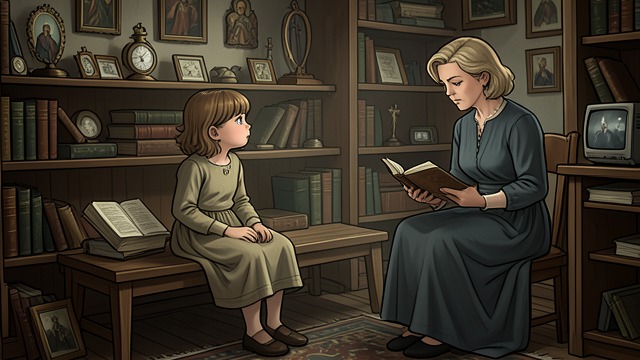
Survival in the Orphanage
Separation and waiting
After Gladys Mortensen’s breakdown, Norma Jeane Baker(Marilyn Monroe) is placed in an orphanage and told to wait while adults decide where she belongs. She clings to the idea that her mother will recover and that her absent father might someday come for her.
Faith as protection
The care and religious instruction of Edith Mittelstadt offer a form of structure, while friends such as Fleece and Debra Mae provide imperfect companionship. Norma Jeane tries to believe that prayer can protect her from abandonment, illness, and the shame she fears in her changing body.
She does not simply endure institutional life: she turns endurance into a private discipline. The child’s conviction that she must remain alive becomes the foundation for the later performer’s determination to be seen and loved.
The Marriage That Could Not Hold
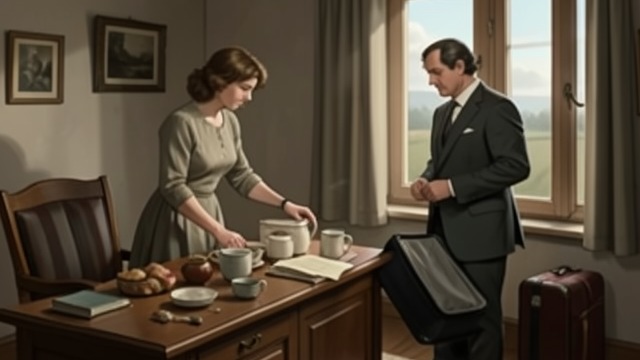
A Young Wife Leaves Home
Marriage as refuge
At sixteen, Norma Jeane Baker(Marilyn Monroe) marries Buchanan Glazer, gaining a household and the reassurance of being wanted. She works hard to become the ideal wife, shaping domestic routine around her husband while hoping marriage will quiet her fear of abandonment.
Freedom through separation
When Buchanan Glazer joins the merchant marine and sails away, she discovers that being alone can also mean freedom. She leaves the Glazers’ home, works at the Radio Plane Aircraft factory, and begins supporting herself rather than living solely through a husband’s protection.
The marriage gives her a temporary sense of safety but cannot provide the independent identity she needs. Its collapse is both another abandonment and the beginning of a life she can choose for herself.
Marilyn Becomes a Public Role
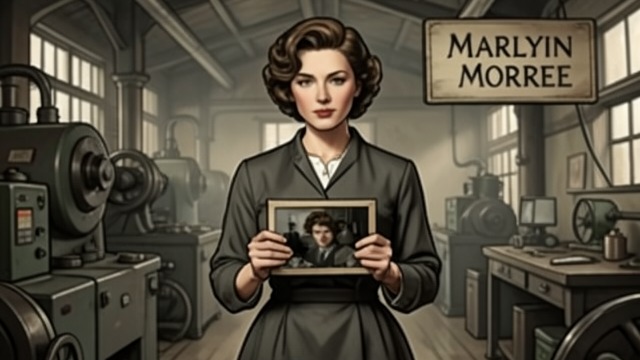
The Screen Name Takes Shape
From factory worker to performer
Photographs taken by Otto öse lead Norma Jeane Baker(Marilyn Monroe) into modeling and then to a studio contract. The name “Marilyn Monroe” gives her a marketable screen identity, but she experiences the renaming as a decision made around her rather than by her.
Success and estrangement
Roles in The Asphalt Jungle, Niagara, and Gentlemen Prefer Blondes bring attention and new opportunities. The public responds to a luminous, sexualized persona, while Norma Jeane continues to doubt whether that persona represents the person she is.
Her professional rise is a genuine achievement, but it also deepens the division between private self and public image. The more famous Marilyn becomes, the harder it is for Norma Jeane to believe that recognition is the same thing as being known.
The Final Search for Belonging
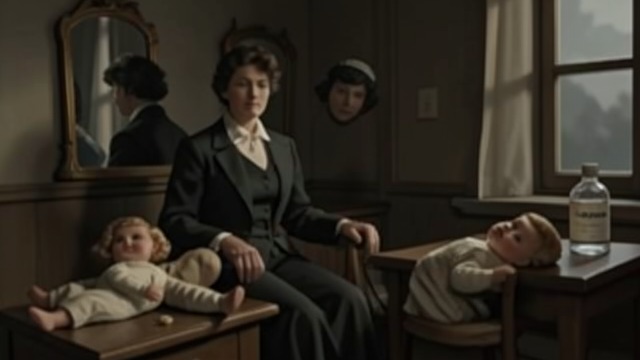
Fame Without Security
Roles and private grief
After the miscarriage and her separation from the Drammaturgo, Norma Jeane Baker(Marilyn Monroe) continues to work while privately grieving the loss of Baby. Marriage to the Ex-Atleta and later relationships do not resolve her desire for a stable home or the safety she associates with motherhood.
A life under public scrutiny
Her career makes her a worldwide image, but fame brings scrutiny, contractual pressure, and repeated efforts by others to define her. She moves between the discipline of acting and episodes of exhaustion, fear, and dependence on medication.
Near the end of the novel, the story returns to her isolated home and to the question of whether she can escape the role the world has made of her. The hoped-for resolution—a life in which she is loved as herself—remains elusive, while the image of Marilyn endures beyond her.
June 1932
1934–1938
1942–1944
1945–1953
1953–1962
