
Gladys Mortensen’s Decline and Distance
BlondeThis thread traces Gladys Mortensen’s unstable attempts at motherhood, her psychiatric collapse, and the painful distance that persists even after her daughter achieves fame.
increasing Bearing strength in each event
 decreasing
Bearing strength in each eventdecreasingA Mother in Intermittent Reach
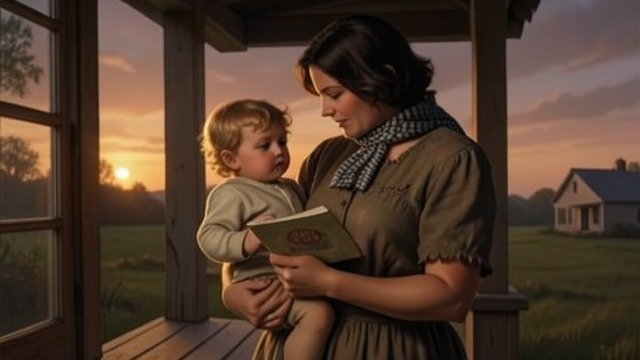
Love on a Birthday
A brief reunion
Gladys Mortensen takes Norma Jeane Baker(Marilyn Monroe) from her grandparents for a birthday visit and presents a photograph as proof of the child’s father. Her affection is real in the moment, but it exists alongside evasions, unpredictable moods, and an inability to offer reliable care.
Motherhood as struggle
Gladys describes work, poverty, and the demands that have kept her from raising her daughter. She wants Norma Jeane to understand her circumstances, but the child is too young to separate explanation from promise.
Gladys’s life is marked by a painful contradiction: she claims her daughter as her own while repeatedly being unable to protect or consistently care for her. That contradiction shapes the bond for decades.
A Dangerous Household
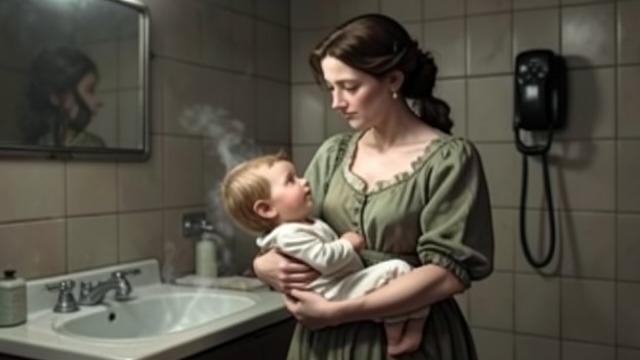
The Visit Turns Unsettling
Gifts and secrets
During the birthday visit, Gladys gives Norma Jeane Baker(Marilyn Monroe) a doll and speaks of the drawer where the baby once slept. Festivity sits beside fear: Gladys drinks, ignores the ringing telephone, and shifts between tenderness and agitation.
The child senses danger
She bathes the child in dangerously hot water and seems lost in her own distress. Norma Jeane escapes to seek help, while Gladys’s illness and the adults around her remain beyond the child’s understanding.
The episode becomes part of Norma Jeane’s lasting bodily memory of danger. Gladys’s love is not enough to make the home safe, and the child learns that affection can coexist with terror.
Institutionalization and Refusal
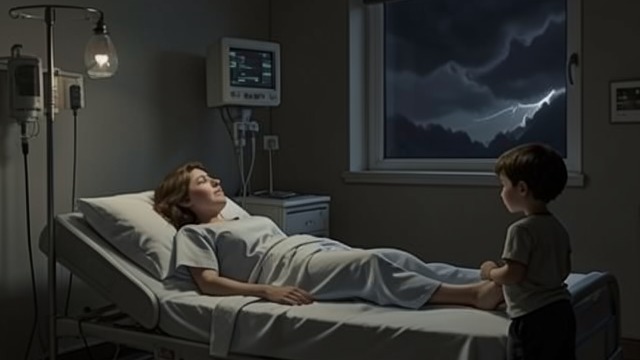
The Mother Is Taken Away
Breakdown and hospitalization
During the 1934 wildfire crisis, Gladys’s unstable behavior worsens, and she is eventually removed from the household and hospitalized. Norma Jeane Baker(Marilyn Monroe) is left first with temporary caregivers and then in an orphanage.
Holding on to motherhood
Even while hospitalized, Gladys refuses to authorize her daughter’s adoption. Her refusal preserves her legal and emotional claim to Norma Jeane, but it also prevents the child from joining families ready to care for her.
Gladys’s insistence is rooted in love, fear, and illness at once. It keeps the mother-daughter bond alive in law while extending the daughter’s insecurity in practice.
A Letter That Closes a Door
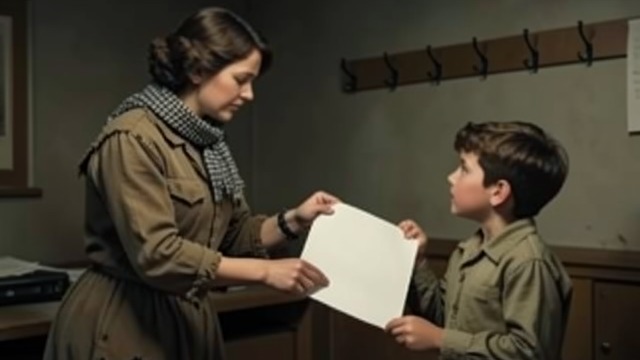
The Adoption Refusal
A child asks for permission
Norma Jeane Baker(Marilyn Monroe) writes to Gladys Mortensen, hoping she will consent to adoption by the Mounts. The letter expresses love and longing but also asks for the stable family life the child has never had.
A furious reply
Gladys answers with a bitter refusal, rejecting the adoption and denouncing the religious language used in the appeal. Her words make clear that she experiences adoption as an insult and a threat to her remaining identity as a mother.
The correspondence exposes the gulf between them: Norma Jeane asks to be released into care, while Gladys hears rejection. Each is trying to preserve a bond, but their needs cannot meet.
A Reunion Without Recognition
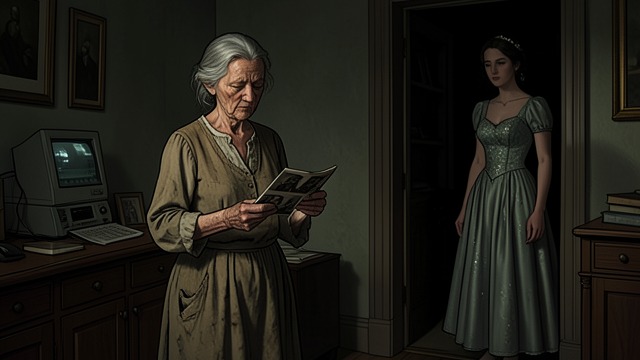
The Mother and the Star
Fame brings a return
After years apart, Norma Jeane Baker(Marilyn Monroe) visits Gladys Mortensen and brings photographs and gifts. Gladys is physically diminished and does not consistently recognize her daughter; when she does respond, pride and irritation can surface in the same encounter.
The unfinished bond
Norma Jeane continues to visit, hoping to bring her mother into a safer life, but Gladys remains institutionalized and emotionally unreachable. Her mother’s interest in a possible father and in the photographs also reopens the daughter’s old longing for recognition.
The visits do not repair the past. Gladys survives into her daughter’s fame, but their relationship remains divided between love, resentment, illness, and the fantasy of a home they never shared.
1932
June 1932
1934–1937
October 1937
1947–1953
