
Bucky Glazer’s Young Marriage and Disillusion
BlondeThis thread traces Buchanan Glazer from an eager young husband to a man increasingly troubled by the demands of marriage, culminating in separation and a life shaped by war.
increasing Bearing strength in each event
 decreasing
Bearing strength in each eventdecreasingA Hasty Courtship
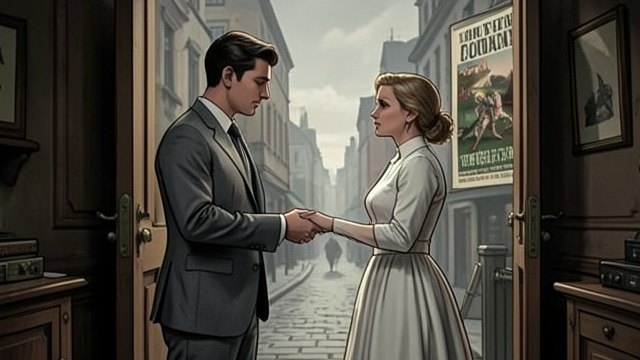
Meeting Norma Jeane
A young man presented with a bride
Buchanan Glazer first meets Norma Jeane Baker(Marilyn Monroe) after his mother and Elsie Pirig encourage the match. He is attracted to her beauty and childlike manner, while the wartime atmosphere makes marriage seem urgent and sensible.
Love mixed with expectation
Bucky imagines a conventional future: a young wife, a home, and eventually children. Norma hopes marriage will protect her from abandonment; neither fully understands how much fear and need they are bringing into the relationship.
Their courtship is affectionate but rushed. Bucky’s willingness to marry offers Norma a home, yet his expectations of a dependent wife already conflict with her desire to study, work, and choose her own future.
A Bride Learns the Household
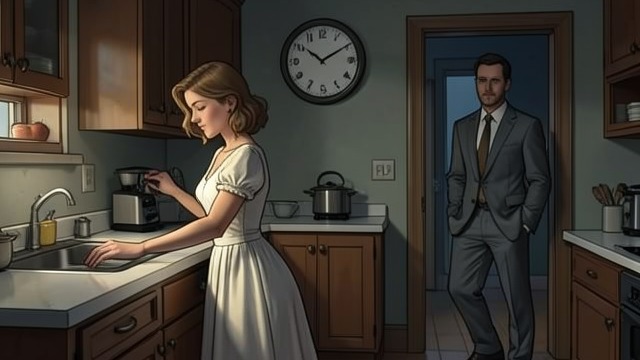
Domestic Devotion
The ideal wife
After the wedding, Norma Jeane Baker(Marilyn Monroe) devotes herself to cooking, cleaning, and pleasing Buchanan Glazer. Bucky enjoys being cared for and takes pride in having a young, attractive wife who seems to admire and need him.
The mismatch beneath the romance
Norma’s hunger for reassurance and her wish for a child unsettle Bucky. He wants ordinary married life but is uncomfortable with the intensity of her need, while she reads his physical desire as proof that she is safe and loved.
The early marriage is not simply unhappy; it contains genuine affection alongside unequal expectations. Its apparent domestic harmony depends on Norma performing a role that cannot meet all of her needs.
War and Departure
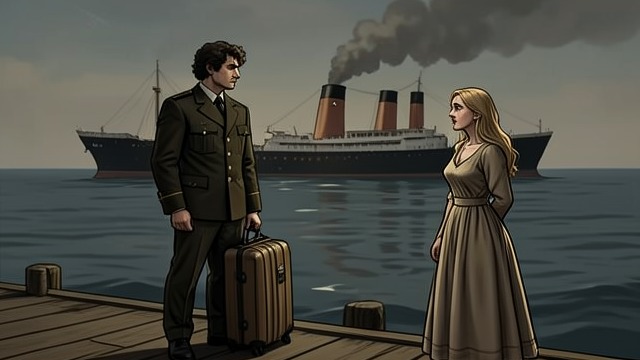
Choosing the Merchant Marine
The pressure of wartime duty
As the war continues, Buchanan Glazer becomes convinced that he must serve. He joins the United States Merchant Marine and prepares to sail, framing his departure as a patriotic obligation rather than a rejection of his wife.
A painful leave-taking
Norma Jeane Baker(Marilyn Monroe) tries to appear composed as Bucky departs for Australia. His family praises her strength, but she recognizes that she does not truly belong to the Glazer family and will soon have to build a life outside the marriage.
Bucky’s departure makes the marriage’s fragility plain. He seeks freedom and public purpose, while Norma needs dependable attachment; wartime separation turns those different needs into permanent distance.
A Marriage Revisited in Memory
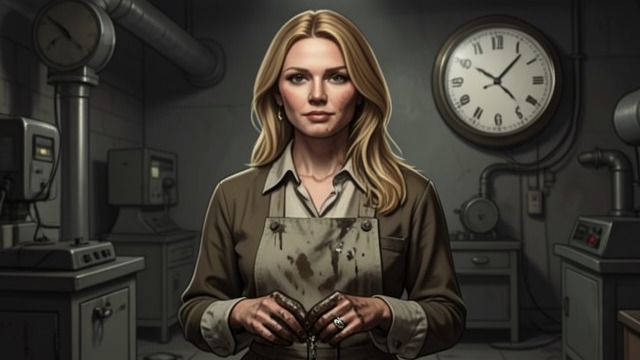
A Wife Left Behind
Independence through work
After Bucky sails, Norma Jeane leaves the Glazer household and begins working at the Radio Plane Aircraft factory. She values earning her own money and living alone, even while continuing to wear her wedding rings and hoping her husband will return.
The old marriage’s afterlife
Bucky learns that Norma is modeling and becomes uncomfortable with the public attention she receives. His response reveals the gap between the dutiful wife he expected and the ambitious performer she is becoming.
Their separation turns Bucky into a figure of both tenderness and limitation in Norma’s memories. He had wanted a wife and family, but he could not provide the lasting security she sought or accept the independence that began to transform her.
A Lasting but Broken Bond
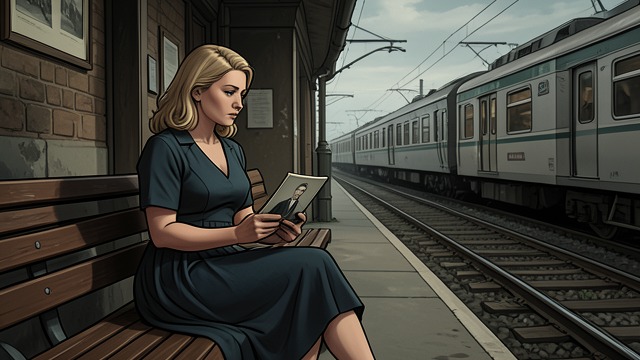
Love Without a Shared Future
Diverging paths
Norma Jeane’s marriage to Buchanan Glazer ends after his departure and her growing life as a performer. She remembers their early intimacy, his tenderness, and the moments when she felt protected, but she also remembers how constrained and frightened she was.
The meaning of the loss
Bucky remains a model of ordinary domestic life that Norma later imagines she might have had. Yet that imagined future cannot erase the realities of their young marriage, his absence, and her need to become economically independent.
His destiny in her story is therefore double: he is both a lost first love and evidence that marriage alone could not cure her abandonment. Their bond ends, but the memory of it continues to shape her longing for a home and a child.
Spring 1942
June 1942–1943
1943–April 1944
1944–1945
After the divorce
