
The Pankowski and Ferraro Lawsuit
Blood ShotThe failed compensation claims of two former Xerxes workers become a key to understanding the company’s defenses and the value of the suppressed medical data.
increasing Bearing strength in each event
 decreasing
Bearing strength in each eventdecreasingA Search for Former Workers
Names from Louisa’s Past
Two possible fathers
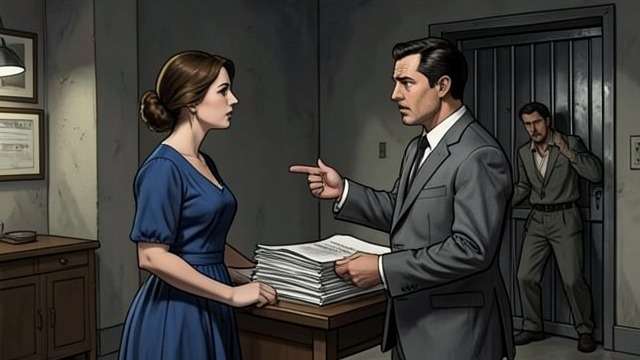
V. I. Warshawski asks whether Joey Pankowski or Steve Ferraro worked with Louisa Djiak at Xerxes.
Records sent away
Gary Joiner cannot find their files locally and says inactive personnel records are stored elsewhere.
The search for Caroline Djiak’s father unexpectedly opens a path into the company’s labor history.
The Ward Records
Old Addresses
A political archive
V. I. Warshawski uses voter-registration records at the Jurshak Ward Office to locate Joey Pankowski and Steve Ferraro.
A changed purpose
Both men are dead, but the search uncovers a former employer, a widow’s account, and a possible connection to company medical records.
The trail survives because local records preserve what the company’s offices would rather leave buried.
The Actual Claim
A Workers’ Compensation Suit
The case’s real basis
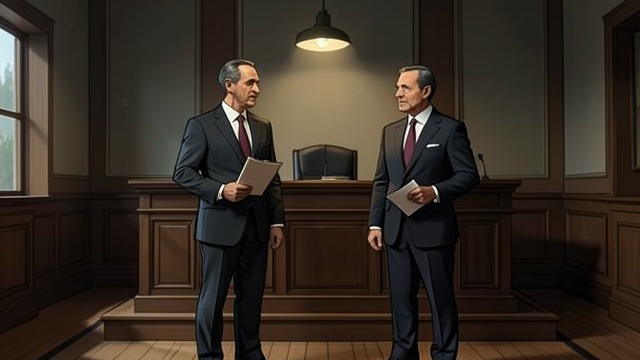
Jonathan Michaels discovers that Pankowski and Ferraro sued over job-related illness, not wrongful dismissal as Gustav Humboldt claimed.
A failed appeal
The men lost, and their lawyer, Frederick Manheim, saw no viable route to continue the case after their deaths.
The discrepancy reveals that Humboldt has misrepresented an old dispute central to the investigation.
The Defenses Examined

Why the Claims Failed
Competing explanations
The company argued that smoking, drinking, and the polluted neighborhood could explain the illnesses better than Xerxine exposure.
Knowledge at the time
It also argued that exposure preceded accepted recognition of the chemical’s toxicity, making responsibility difficult to prove under the applicable rules.
The defense depended on uncertainty that the hidden medical records could now sharply reduce.
A Larger Claim

From Two Men to Hundreds
A changed evidentiary picture
Chigwell’s records suggest that illness was widespread and measurable, weakening the company’s claims that the workers’ conditions could not be linked to exposure.
A legal undertaking
Frederick Manheim agrees to assemble experts and investigate claims for former employees and their families.
The original suit’s defeat becomes the starting point for a much broader effort at accountability.
the first visit to the Xerxes personnel office
the day after Gary Joiner denies knowing the men
after Jonathan Michaels checks federal records
during V. I. Warshawski’s interview with Frederick Manheim
after Frederick Manheim receives the medical records
