Clean Water Act
Blood ShotThe Clean Water Act is a regulatory turning point in the novel’s industrial landscape, but not a clean break from its past. At the Xerxes plant, the law changes how waste is handled; around Dead Stick Pond, poisoned water and diseased fish make plain that containment and recovery remain incomplete.
Industrial waste and containment
The Xerxes plant stands beside the Calumet River, its concrete-block building shaped like a giant U with both arms backing onto the water. Its layout once allowed solvents to be shipped out by barge and waste to flow into the river. After passage of the Clean Water Act, Xerxes built enormous lagoons to hold its waste instead. Clay walls separate the stored toxins from the river, but the narration describes that barrier as precarious, making the lagoons less a definitive solution than a fragile change in the route pollution takes.
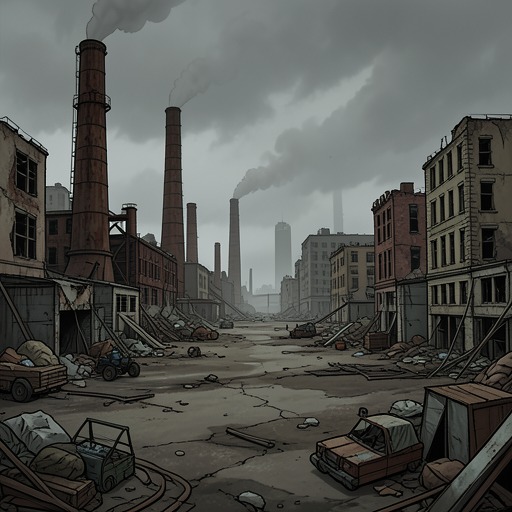
The contrast is written into the plant’s setting. The old factory, built in the early 1950s, stands in an industrial landscape that includes the Calumet River and the altered ground around it. The Act changes the company’s waste-management practice, but the novel offers no assurance that the wastes have become harmless or that their containment will hold.
Recovery beside continuing damage
The novel places signs of improvement beside evidence of persistent harm. Fish have begun returning to the Calumet River and its tributaries since passage of the Act, suggesting that environmental regulation can make a difference. At Dead Stick Pond, however, the water is dull black and tree stumps project from its surface. The pond was once a feeding area for migrating birds; now fish that enter it appear with massive tumors and rotted fins.
That contrast matters more than a simple opposition between a polluted past and a restored present. Dead Stick Pond is an overflow of the Calumet River, and the book sets the broader return of fish alongside the damaged condition of those in the pond without presenting the recovery as complete. Even people still try to fish there for dinner. The Act is therefore part of a longer environmental history, not a guarantee that exposure has ended or that affected places and communities have been made safe.
Regulation and the struggle to be heard
The Clean Water Act belongs to a wider story about how environmental rules intersect with industrial decisions and local political power. Caroline Djiak describes SCRAP’s proposal for a solvent-recycling plant: the group has funding, a site, and specifications that have passed every test it could think of from the U.S. Environmental Protection Agency. The proposed facility could provide about a hundred jobs and reduce waste going into the ground, yet the zoning board refuses to hear the proposal, first citing legal problems and then questioning whether it has community backing. The Act is not identified as the basis for this permit dispute; the episode instead shows that technical preparation and environmental aims do not by themselves secure a hearing.
The conflict extends beyond the recycling proposal. Caroline and Nancy Cleghorn had previously testified to receiving death threats for opposing Steve Dresberg’s PCB incinerator, while Caroline says the Sanitary District had given him a favorable deal. Their experience places environmental regulation amid intimidation and unequal political influence. The novel thus presents the Clean Water Act as consequential but limited: it can mark a change in industrial practice, while polluted sites, contested decisions, and threatened community advocates reveal how much remains unresolved.