
The Holburne Museum Vigil
BloodhoundsThis flow follows Wigfull’s increasingly urgent effort to guard the museum after the third riddle seems to predict another theft.
increasing Bearing strength in each event
 decreasing
Bearing strength in each eventdecreasingSydney Interpreted
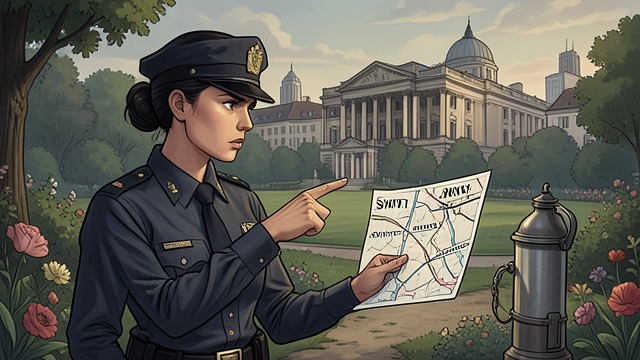
Sydney Interpreted
A new possible target
The riddle’s reference to Sydney leads police to consider Bath’s Sydney-named streets and gardens. Wigfull remembers the Holburne Museum in Sydney Gardens and fears it may be the next target.
Precautions ordered
The Assistant Chief Constable tells Wigfull to warn the museum and organize protection. The earlier theft has made the threat impossible to dismiss.
Police again face a choice between interpreting a clue and guarding against every possible meaning. The decision is reasonable, but the riddle’s ambiguity still controls their attention.
Six Officers Posted
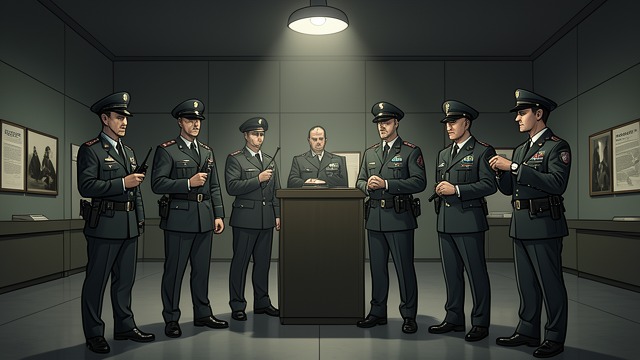
Six Officers Posted
A serious watch
Wigfull positions six officers inside and around the Holburne Museum. He checks their radio contact and visits them repeatedly through the night.
Vigilance without certainty
The museum presents several possible approaches, but its alarms and lighting are modern. Wigfull concentrates on keeping the officers awake and alert rather than waiting passively for trouble.
His effort reflects a genuine sense of responsibility after the earlier misdirection. Yet the deployment is aimed at the wrong interpretation of the riddle and will not prevent the case’s next crisis.
A Quiet Dawn
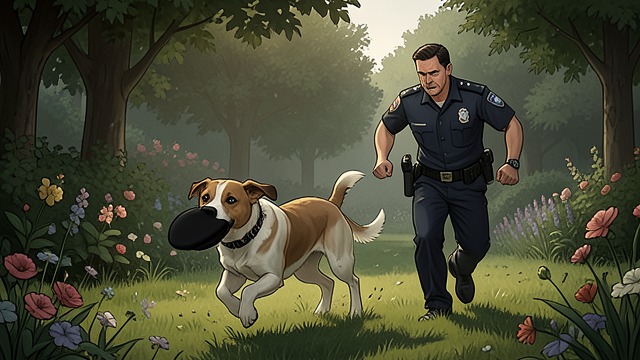
A Quiet Dawn
No theft occurs
After a night on duty, Wigfull sees no sign that the museum has been breached. He is disappointed that there has been no arrest but relieved that the collection remains intact.
A different discovery nearby
As he walks through the gardens after leaving the vigil, a dog appears carrying a black beret. Wigfull pursues it and eventually retrieves the hat.
The museum operation seems uneventful, but the walk brings Wigfull into contact with a clue linked to Rupert. The riddle’s Sydney reference has led him to the wrong target and the right general landscape.
The Beret Recovered
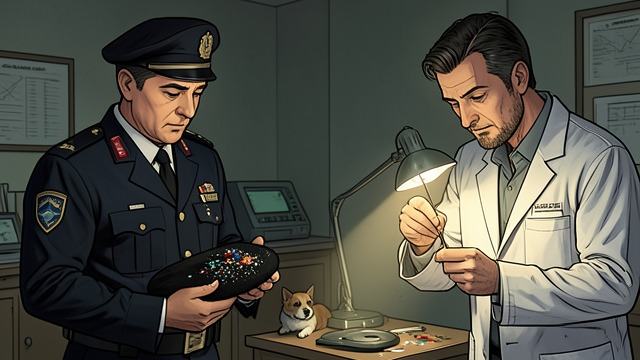
The Beret Recovered
A dog’s game
Wigfull tries to recover the beret from the dog, eventually using chocolate to draw the animal away. The encounter delays him and leaves him uncertain about how the hat got there.
Evidence in police hands
Wigfull brings the beret to the station. Diamond recognizes paint specks and connects them with the gallery-window graffiti.
The recovered object strengthens an apparent case against Rupert, but the origin and timing of the paint remain unresolved. A clue can be found without being understood correctly.
The Wrong Kind of Closure
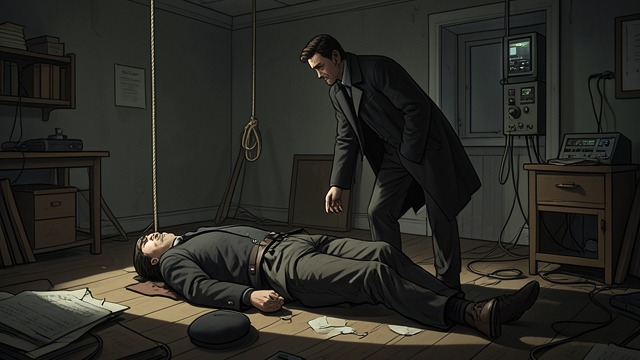
The Wrong Kind of Closure
An easy conclusion
Wigfull believes Rupert wrote the gallery message and killed himself after police attention increased. The discovery of the body seems to connect the third riddle, the beret, and the earlier murder.
Diamond refuses the shortcut
Diamond points out that the riddle predicted a hanging and may therefore be part of a staged plan. He does not accept that Rupert’s death proves guilt or suicide.
The museum vigil has protected the collection but not the investigation from deception. Wigfull’s effort becomes another example of how a plausible reading can lead to the wrong kind of certainty.
The afternoon the third riddle reaches the media
The evening before Rupert’s body is discovered
Around 6:30 the next morning
Shortly after sunrise on the morning Rupert is found
Later that morning, after Rupert is identified
