
The Twin Killings and the Cover-Up
BloodhoundsThis flow traces the shift from Sid’s panicked, unintended killing to the deliberate murder of Rupert and the escalating effort to close the case falsely.
increasing Bearing strength in each event
 decreasing
Bearing strength in each eventdecreasingA Scheme Without Blood
A Scheme Without Blood
A theft for recognition
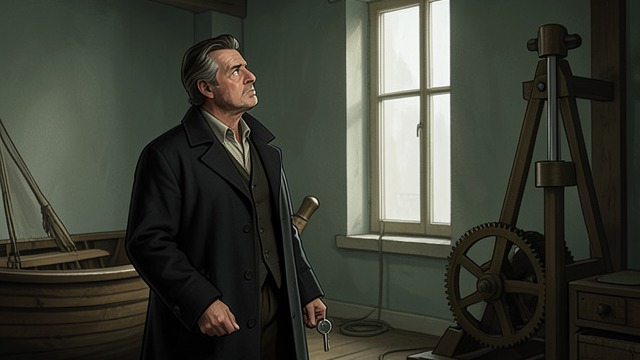
Jones plans the Penny Black theft as a demonstration of skill rather than a conventional profit-making crime. He means to mislead the police and embarrass the Bloodhounds.
Risk enters the plan
His riddles and lock trick require repeated access, careful timing, and a target willing to be mistaken for the thief. The elaborate arrangement leaves little room for unexpected witnesses.
The original scheme is already criminal and dangerous, but Jones believes that cleverness can keep it controlled. That confidence collapses when Sid arrives at the boat.
Sid’s Unplanned Death
Sid’s Unplanned Death
A witness interrupts
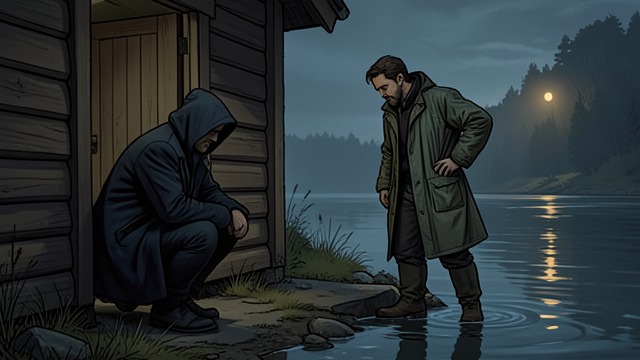
Sid comes to the boatyard and encounters the consequences of Jones’s lock-switch plan. Jones hides inside the cabin with the windlass.
Violence changes everything
Jones strikes Sid, later claiming he meant to escape rather than kill him. Sid dies, converting a theft stunt into a murder investigation.
The killing’s accidental character does not erase Jones’s responsibility. His next decisions, not the original blow alone, determine how far the violence will spread.
A False Ending Prepared
A False Ending Prepared
A suspect constructed
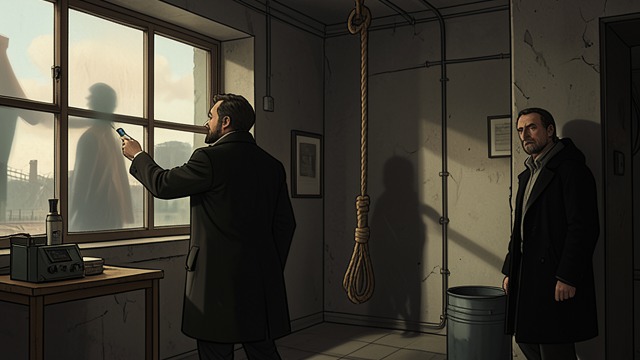
As attention threatens to reach Jones, he selects Rupert as a person to frame. He uses spray paint and the gallery-window accusation to create a trail toward another man.
A death arranged
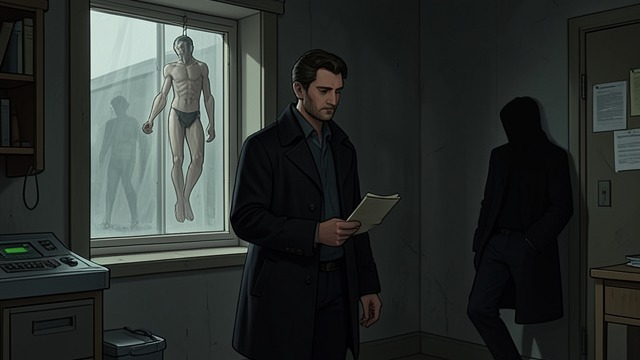
Jones and Jessica stage Rupert’s hanging as an apparent suicide and use the third riddle to make it appear foretold. The plan is designed to persuade police that the case has ended.
The cover-up is more deliberate than the first killing. Jones now understands the stakes and nevertheless chooses another murder to protect himself.
The Police Accept the Frame
The Police Accept the Frame
A tidy interpretation
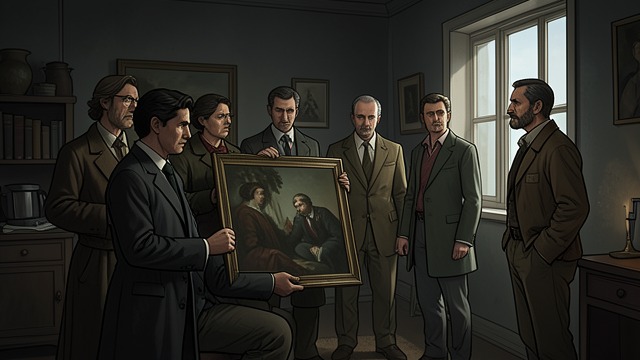
Wigfull connects Rupert’s painted beret, the graffiti, the third riddle, and the hanging. The explanation makes Rupert look like both the killer of Sid and the author of his own ending.
Diamond questions certainty
Diamond observes that the hanging may have been planned by someone else and refuses to call it suicide. The details do not yet establish who placed Rupert on the bridge.
The conflict shifts from identifying a suspect to resisting a story that appears complete. A false conclusion can be more dangerous than uncertainty because it gives the police permission to stop looking.
The Cover-Up Exposed
The Cover-Up Exposed
A second murder admitted
Jones explains that he chose Rupert because the man was unfamiliar to him and could be framed. He confirms that the hanging was staged to divert the inquiry.
Escalation traced
Diamond reconstructs how one killing led to a second: Sid’s unexpected arrival threatened the original scheme, while Rupert’s death was planned to keep the truth concealed.
The murders reveal a collapse of proportion. Jones values the appearance of cleverness above the lives caught in his plan, and each attempt to protect that appearance requires greater violence.
Before Jones plants the stamp
Monday night at Milo’s narrowboat
After the police begin scrutinizing the Bloodhounds
The morning Rupert’s body is discovered
Near the novel’s ending, during Jones’s confession
