
The Battle Over Who Gets Believed
BloodhoundsThis flow traces the conflict between plausible stories and verified facts as the investigators repeatedly misread clues before testing them.
increasing Bearing strength in each event
 decreasing
Bearing strength in each eventdecreasingThe Turner Story
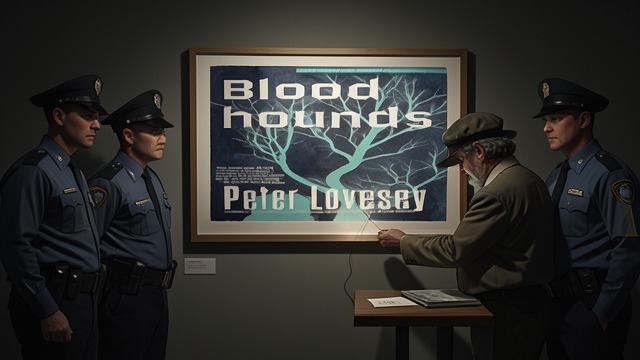
The Turner Story
A familiar target
A tip about a valuable theft leads the police to Turner’s watercolor at the Victoria Gallery. The first riddle seems to confirm that interpretation.
Attention redirected
Wigfull builds an operation around the gallery, while the actual theft takes place at the Postal Museum. The police have not ignored the warning; they have accepted its most obvious reading.
This conflict establishes the novel’s recurring danger: a clue can be accurate and still direct investigators away from the truth. The person who controls interpretation can control the police response.
The Gay Fall Guy
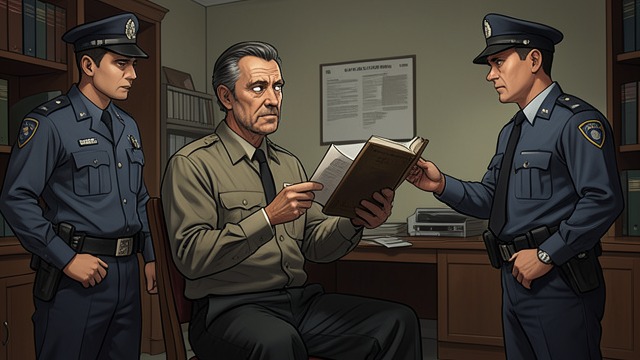
The Gay Fall Guy
A discovery looks like guilt
Milo appears in possession of the stolen cover when it is found inside his book. Police question him at length, and his manner invites superficial judgments about what kind of person he might be.
Facts resist appearance
Milo voluntarily reports the discovery and has a strong alibi for Sid’s murder. His actual behavior does not fit the confident thief story imposed on him.
The conflict exposes how quickly identity and manner can be used to prejudge evidence. Diamond’s questions initially treat Milo’s account skeptically, but the physical explanation ultimately vindicates it.
The Wrong Lock Theory
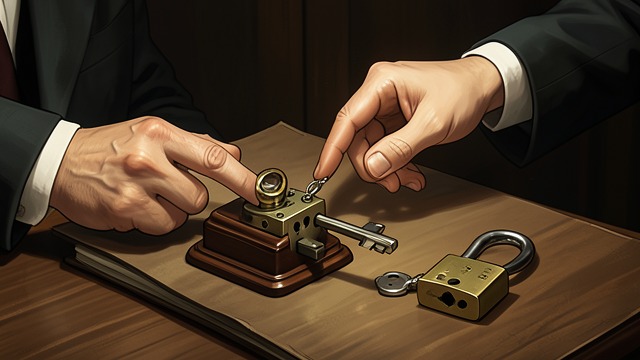
The Wrong Lock Theory
Ingenuity seems sufficient
Wigfull proposes that Sid replaced Milo’s lock and key. The mechanism is detailed enough to resolve the apparent impossibility, and Diamond accepts it provisionally.
Physical testing intervenes
The recovered key fits the original lock, directly contradicting the theory. No amount of narrative neatness can preserve an explanation that fails a simple test.
The reversal makes method matter more than confidence. A good detective story can be persuasive and wrong; the evidence must be allowed to break the most satisfying account.
A Suicide That Looks Too Complete
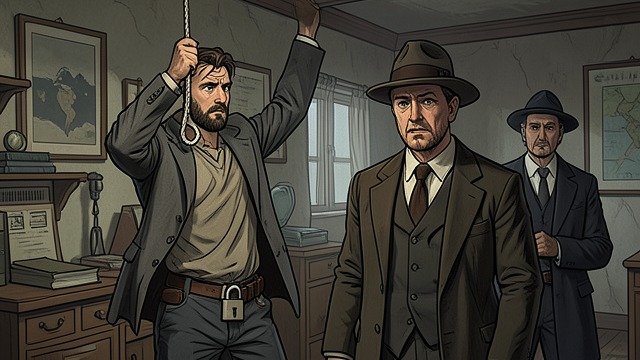
A Suicide That Looks Too Complete
The apparent confession
Rupert’s hanging and the padlock found in his pocket seem to confirm that he was responsible for Sid’s death. The third riddle appears to have predicted the scene.
Diamond resists finality
Diamond questions whether a drunken man could have arranged the hanging alone and recognizes that the riddle may have been written by someone anticipating murder. He refuses to treat the scene as self-explanatory.
The evidence’s most dramatic appearance is also its most manipulative. The case depends on distinguishing a death that has been staged to look meaningful from the truth of how it occurred.
A Confession Tested Against Clues
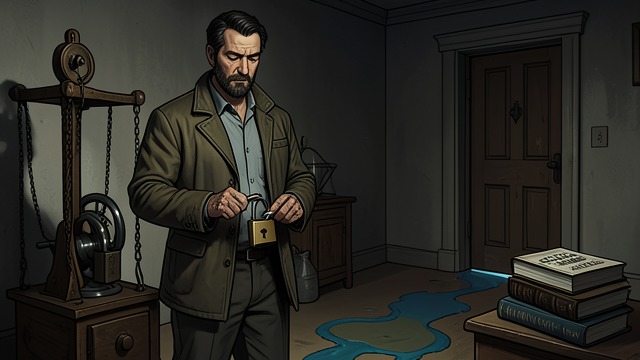
A Confession Tested Against Clues
The scheme is admitted
Jones confesses to the stamp theft, the lock switch, and both killings. His account supplies motives for details that had seemed unrelated.
Evidence makes the account credible
The padlock, the windlass, the poems, and the staged paint trail fit the reconstructed sequence. The confession is not accepted merely because it is dramatic; it is checked against physical facts.
The conflict between story and evidence resolves only when the account explains both what happened and why earlier interpretations failed. Jones’s own desire for recognition makes him willing to claim the clever parts of the plan.
When police first receive the theft warning
The night Milo finds the Penny Black
Several days after the boat crime scene is examined
After Rupert is found in Sydney Gardens
At Gilbert Jones’s final interview
