
The Problem of Evidence
BloodhoundsThis flow traces the novel’s concern with how physical traces, testimony, and custody can produce either reliable knowledge or persuasive error.
increasing Bearing strength in each event
 decreasing
Bearing strength in each eventdecreasingA Confession Is Not the Whole Case

A Confession Is Not the Whole Case
Immediate certainty
Routledge tells Diamond that he shot Bellini, and the arrest appears almost complete. The clerk’s lengthy statement supplies grievances and an account of the killing.
Evidence sets the baseline
The bank case is straightforward because the confession is supported by forensic findings. Diamond’s irritation comes from the workload, not from a conflict about who fired the shot.
This opening establishes a contrast with the later crimes. Some cases offer a confession that fits the facts; others produce confident stories that must be tested more carefully.
Objects Do Not Explain Themselves
Objects Do Not Explain Themselves
The secure lock
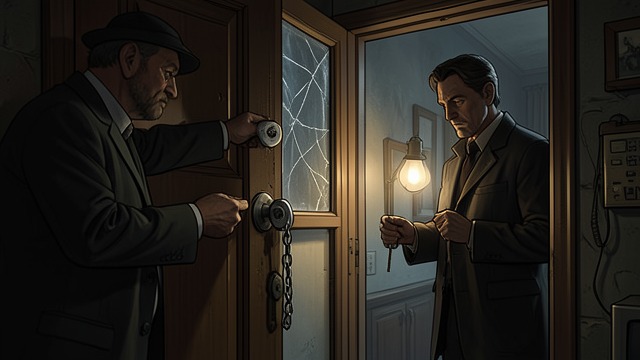
Police inspect Milo’s padlock, doors, and windows. The equipment appears intact, supporting the impossible-room interpretation but not explaining how the body entered.
Human memory is tested
Diamond considers whether Milo may have failed to lock the boat and concealed the mistake. He recognizes that witnesses may present their actions in the most favorable light.
The investigation treats material objects and human testimony as different kinds of evidence. Neither can be accepted uncritically, but each can correct the other when tested against detail.
The Chain of Custody
The Chain of Custody
A bag’s path matters
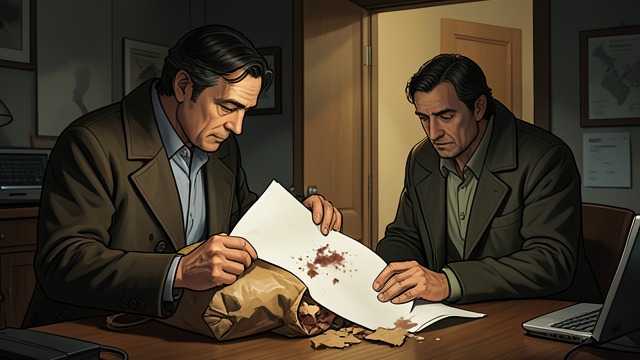
The brown paper bag belonged to Sid, was used by Jessica during Miss Chilmark’s attack, and later remained in Jessica’s handbag. Diamond reconstructs those transfers before interpreting its writing.
Possession is not authorship
The lists of rhyming words appear to implicate Sid, but the custody history means they may have been written or preserved by somebody else. The object’s location cannot establish its writer.
The chain of custody is not a technicality here. It is the difference between an apparent confession in handwriting and a deliberately arranged diversion.
Paint Without a Timeline
Paint Without a Timeline
A trace appears conclusive
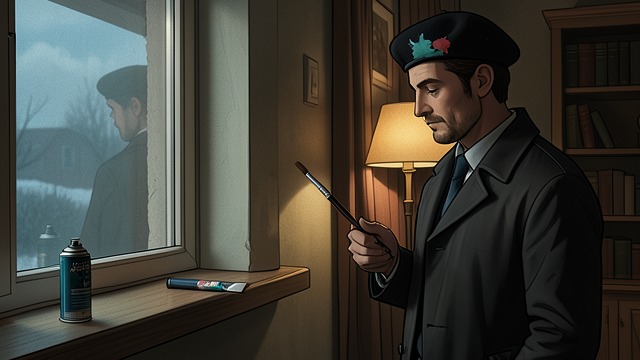
Paint on Rupert’s beret seems to link him to the gallery graffiti. The visible mark supplies a simple physical connection between a suspect and a message.
Context changes its meaning
Julie finds similar spray paint on Marlowe, who was not at the gallery party. The paint could have reached Rupert’s hat earlier, so it no longer proves when or where the spraying occurred.
A trace has evidentiary value only with a timeline. The novel repeatedly warns that physical evidence can be real yet misleading when investigators mistake contact for guilt.
Physical Proof of the Lock Trick
Physical Proof of the Lock Trick
A recovered key resolves a dispute
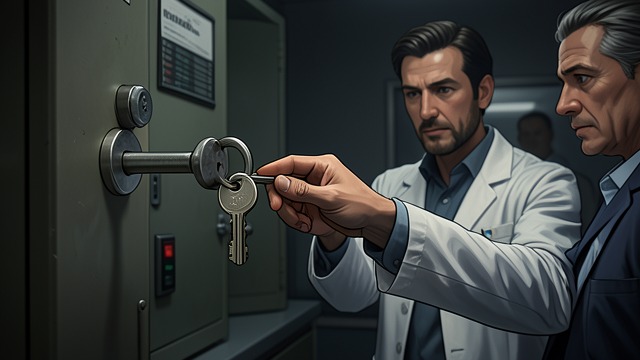
Divers bring back Milo’s lost keys, allowing Diamond to test the original padlock. The matching key disproves the substitution theory that had seemed to solve the mystery.
Demonstration replaces speculation
Diamond then shows how a similar lock could be substituted while its shackle was open. The mechanics explain how Milo later secured the boat without using the key.
The demonstration succeeds because it is reproducible and consistent with observed facts. The case’s decisive knowledge comes not from trusting an impressive theory but from handling the objects and testing the action.
At the Saltford bank after Routledge confesses
During the examination of Milo’s boat
After Diamond asks Jessica about the paper bag
After Julie finds flecks on Marlowe
During the incident-room demonstration near the ending
