
Order, Respectability, and the Police
BloodhoundsThis flow traces the novel’s contrast between orderly appearances and concealed wrongdoing, from the tidy victim’s home to the respectable institutions that fail to see danger.
increasing Bearing strength in each event
 decreasing
Bearing strength in each eventdecreasingA Tidy Flat

A Tidy Flat
A life arranged in order
Diamond and Julie visit Sid’s flat and find clean surfaces, carefully folded clothes, and few personal traces. Diamond reads the place as evidence of a stunted life.
Julie resists the judgment
Julie suggests that order does not necessarily mean emotional emptiness. Sid may simply have put things away, and his neatness alone cannot tell investigators what he was like.
The room becomes a test of interpretation. Respectability and tidiness can invite moral conclusions, but they do not provide a motive or explain a death.
A Guarded City
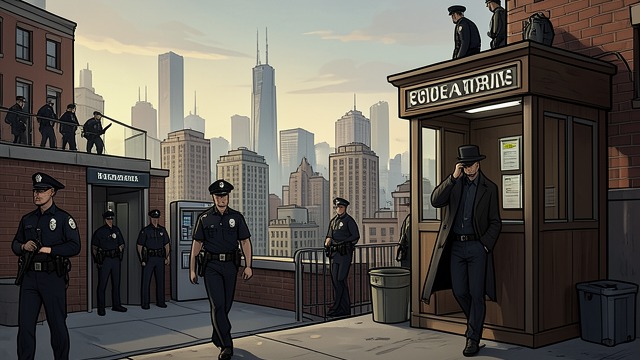
A Guarded City
Security theater
Police watch the gallery, inspect access points, and position officers on the roof after the Turner warning. The effort looks substantial and reassuring.
A blind spot remains
The thief has chosen the Postal Museum instead. Public institutions can be guarded and still remain vulnerable when attention is directed elsewhere.
The novel distinguishes visible security from actual safety. An operation can demonstrate diligence while failing to protect what matters, especially when the threat has been shaped to fit institutional expectations.
The Security Professional
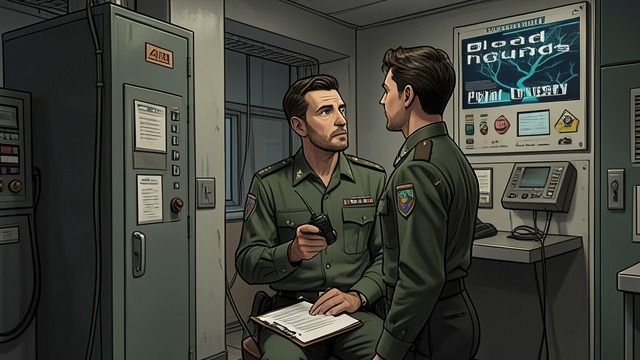
The Security Professional
A watcher’s occupation
Sid works for Impregnable as a security guard, a solitary job that suits his temperament. His employer describes him as reliable, observant, and conscientious.
Expertise becomes suspicion
Police consider whether his access to security knowledge helped him steal the Penny Black. The same occupation that made him trustworthy in daily work makes him plausible as a technical criminal.
The case unsettles the idea that professional roles reveal moral character. Security work may provide knowledge, but it does not establish that Sid used it for crime.
Respectable Faces Conceal Motives

Respectable Faces Conceal Motives
A gallery and a marriage
Barnaby supports Jessica’s gallery, while A.J. contributes money and labor. Their relationships appear stable and unusually trusting from the outside.
Financial dependence emerges
The gallery’s support is connected to A.J.’s access to Miss Chilmark’s money. Familiar social arrangements conceal exploitation and complicity rather than simple romantic jealousy.
The novel resists easy judgments based on respectability. A polished business and a courteous marriage do not guarantee that every relationship within them is transparent.
Order Restored, Not Repaired
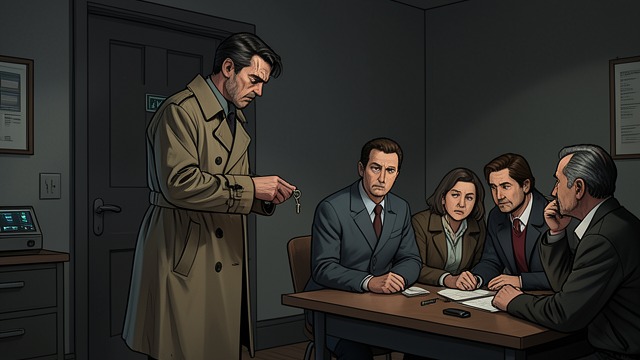
Order Restored, Not Repaired
The police name the culprit
Jones is captured, the lock mechanism is explained, and the linked crimes become intelligible. The investigation restores a factual order after a long period of misdirection.
Loss remains
Sid and Rupert are dead, and the Bloodhounds’ trust has been damaged. A solved case cannot return the club to its old state or erase the private harm done to those left behind.
The novel offers the detective-story satisfaction of explanation without claiming that explanation repairs everything. Order can be restored in the account of events while the human world remains altered.
The morning after Sid’s death
During the police operation at the Victoria Gallery
When police learn Sid’s employer
During Diamond’s inquiries into the gallery
Near the ending, after Jones is arrested
