
The Cost of Being Clever
BloodhoundsThis flow traces how the desire to prove intelligence begins as a literary contest and escalates into manipulation, murder, and a moral failure of proportion.
increasing Bearing strength in each event
 decreasing
Bearing strength in each eventdecreasingA Dispute About Intelligence

A Dispute About Intelligence
Different measures of value
The Bloodhounds argue over whether a detective story’s puzzle is its chief achievement or merely one element among character, credibility, and social force.
Status beneath taste
The arguments reveal that members use literary preferences to establish expertise and social position. A disagreement about books can feel like a judgment of the reader.
The novel prepares Jones’s grievance through this atmosphere. His later violence does not arise from a grand political cause but from a wounded need to have his intelligence recognized.
Jones’s Need to Be Seen
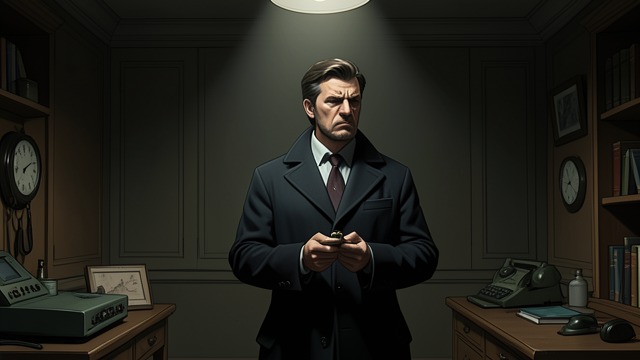
Jones’s Need to Be Seen
A dismissal remembered
Jones says the Bloodhounds treated his admiration for James Bond as evidence that he had little worth discussing. He experiences their judgment as a personal humiliation.
Revenge designed as proof
He plans a theft that will force the same people to confront his skill. His goal is recognition through an event that makes him appear smarter than the club and the police.
The motive is disproportionate to the original slight, but that disproportion is central. Jones has allowed a wound to become the organizing principle of his identity.
Ingenuity Without Restraint
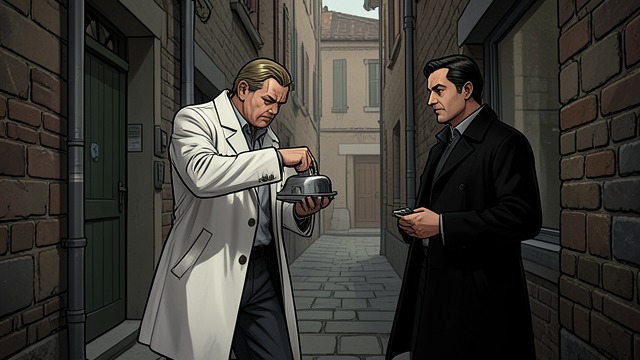
Ingenuity Without Restraint
Method becomes identity
Jones plans the window-cleaner disguise, the riddles, the planted stamp, and the lock substitution. Each successful deception reinforces his belief that he can control the people around him.
The plan meets a person
Sid arrives unexpectedly at the boat, and Jones strikes him. Jones’s clever system cannot anticipate every human action, yet he responds to failure by concealing the killing.
The novel separates technical skill from judgment. Jones is ingenious in method but incapable of accepting the moral limit that should stop him from escalating.
A Second Proof Demanded
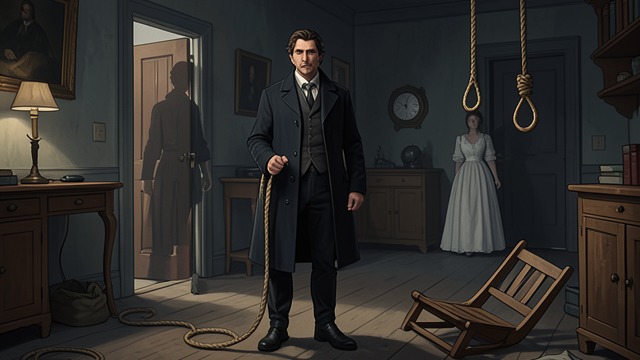
A Second Proof Demanded
The first stunt no longer suffices
Jones sees the investigation narrowing around him. Rather than surrender, he devises a further performance: implicating Jessica and then using Rupert as the more convenient target.
Death used as punctuation
The staged hanging is intended to make the case appear finished. The third riddle gives the killing a literary shape that encourages investigators to see a planned suicide.
Jones’s desire to prove control becomes self-destructive and murderous. Each demonstration of cleverness requires greater harm because recognition never satisfies the grievance that began the scheme.
Cleverness Judged by Its Cost
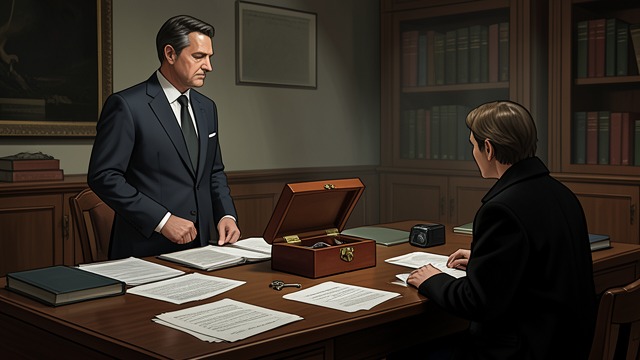
Cleverness Judged by Its Cost
The scheme is finally understood
Diamond lays out Jones’s methods and motives, showing that the apparent literary puzzle depended on practical devices and human misjudgments. Jones is forced to face a solution that another person can explain.
Recognition arrives too late
Jones gains notoriety, but only as the person responsible for two deaths and an elaborate deception. His achievement has destroyed the community whose admiration he wanted.
The novel’s judgment is not that intelligence is dangerous by itself. It is that intelligence without empathy or proportion turns people into pieces on a board, and the desire to win can become more important than the lives it consumes.
During the early Bloodhounds debates
Reconstructed during Jones’s confession
During the theft and lock-switch scheme
After police scrutiny turns toward Jones
At the final interrogation and confession
