
The Pattern of Hunger
Bones & AllMaren’s hunger shapes her relationships, while different eaters reveal that a shared condition does not dictate a shared moral code.
increasing Bearing strength in each event
 decreasing
Bearing strength in each eventdecreasingTwo Kinds of Hunger
Two Kinds of Hunger
Ordinary Appetite
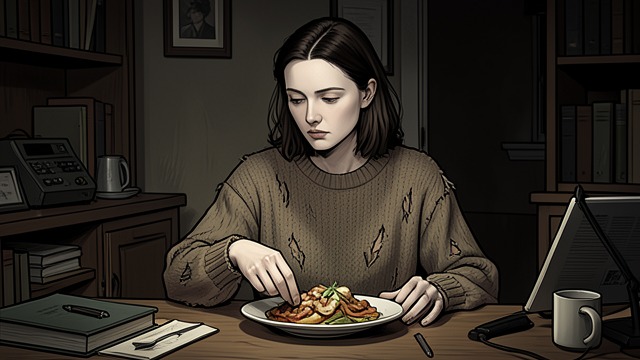
Maren can eat ordinary food, but recognizes a second hunger that returns after months or years. Naming the distinction helps explain why willpower and a full stomach do not resolve her danger.
Desire and Compulsion
The hunger attaches itself to a person and becomes difficult to resist. Maren’s account frames feeding as bodily compulsion while preserving her awareness that her victims are individuals, not merely food.
Sully’s Different Rule
Sully’s Different Rule
The Corpse Eater
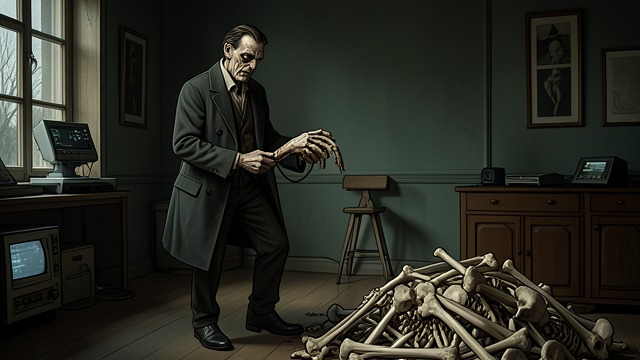
Sullivan claims he eats only those who are already dead and describes his appetite as a fact of nature. His account initially offers Maren a version of eating that seems less violent than her own.
A Dangerous Exception
Sully later admits that he sometimes causes a death himself. His rule conceals predation behind a respectable-sounding boundary, showing how a personal code can become an excuse for harm.
Lee’s Moral Boundary
Lee’s Moral Boundary
The Chosen Victim
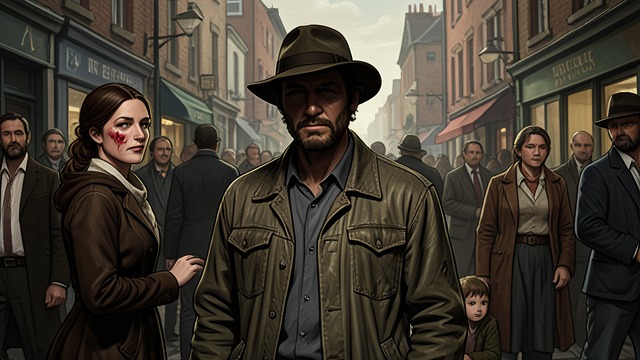
Lee describes targeting people who harm others, including the abusive man who endangered Rachel. He understands his feeding as connected to protecting the vulnerable, not merely satisfying appetite.
The Boundary Tested
His story does not erase the damage to Rachel or make every judgment reliable. Still, his willingness to protect Maren and a bullied child distinguishes his ethics from simple opportunism.
Stories and Eaters
Stories and Eaters
A Family of Explanations
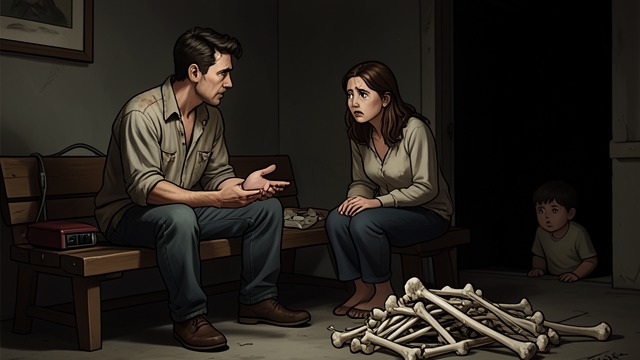
Sullivan tells Maren about ritual consumption, childhood appetite, and the uncertain possibility that eating runs in families. His stories suggest many ways people explain a condition they cannot change.
No Shared Community
He nevertheless warns Maren that eaters cannot safely form a community. Shared hunger does not create a common moral identity, and his later betrayal makes that warning both shrewd and self-serving.
Nature and Responsibility
Nature and Responsibility
A Condition That Remains
Maren never finds a cure or a simple explanation for her hunger. The deaths around her show that understanding a compulsion does not prevent it from recurring.
Choices Still Matter
Different eaters make different choices about victims, honesty, and protection. The novel leaves Maren responsible for living with her nature while rejecting the idea that nature alone settles whether someone can do good.
After Jamie’s death
At Lydia Harmon’s house, near the start of Maren’s journey
During Maren and Lee’s first days together
During the meal with Sullivan at Lydia Harmon’s house
Near the ending, after Lee saves Maren
