
A Human Decree versus Divine Deliverance
Book of EstherThis flow follows the escalating contest between imperial power and the survival of the Jews, emphasizing each point at which apparent finality is overturned.
increasing Bearing strength in each event
 decreasing
Bearing strength in each eventdecreasingThe King’s Favor Is Conditional

Royal Power Governs the Household
A Queen Can Be Removed
Vashti loses her position after refusing the king’s summons. Her fate demonstrates that even a queen’s status offers no reliable protection against a monarch’s decision.
A New Queen Enters
Esther rises to the vacancy, but her position remains dependent on the same ruler’s favor. The court establishes the political limits within which she must later act.
Haman Receives Authority

A Favorite Gains the King’s Power
Promotion and Command
Ahasuerus elevates Haman and orders others to honor him. The king’s favor gives Haman access to the machinery of government.
Power without Scrutiny
Haman’s later petition succeeds without the king testing its claims. The essay depicts autocracy as dangerous because a favorite can convert private malice into an official order.
An Irrevocable Sentence

The Decree Appears Final
Sealed Authority
The king’s signet ring authenticates the order against the Jews, and messengers carry it throughout the provinces. The decree’s legal force appears to close every path to safety.
A Hidden Interval
The execution date lies months ahead. Although the order cannot be revoked, the interval permits other events to develop before the appointed day.
The Court’s Balance Shifts
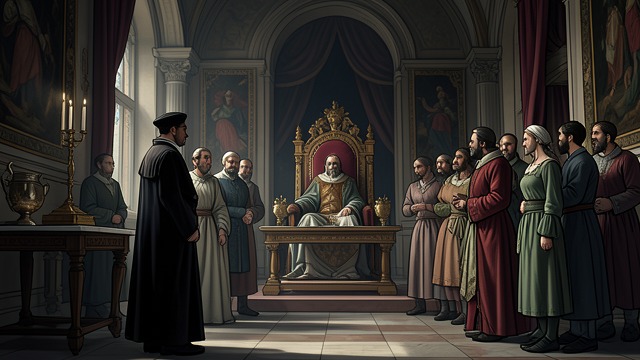
Royal Attention Turns against Haman
A Record Rediscovered
The king learns that Mordecai saved his life and was never rewarded. Haman, arriving with a plan to kill Mordecai, is instead made the agent of his public honor.
Power Becomes Unstable
The courtier who seemed able to dictate the fate of a people is suddenly subject to the king’s changing attention. The scene demonstrates how quickly power can shift within the same autocratic system.
A Legal Opening for Defense
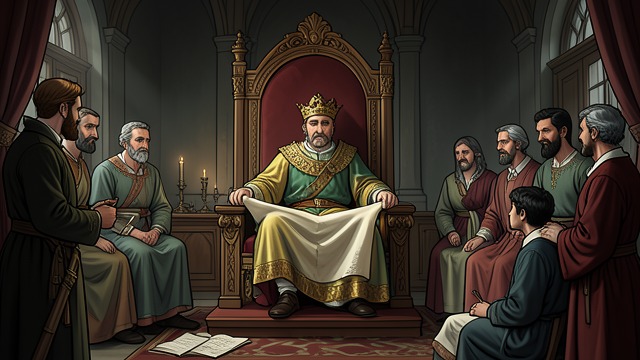
A Second Order Changes the Contest
The First Law Persists
Haman’s death does not cancel the decree he secured. The Jews still face a fixed day of danger under the empire’s law.
A New Command
Ahasuerus authorizes the Jews to defend themselves. The conflict shifts from helpless exposure to organized resistance, allowing them to survive without pretending that the first decree never existed.
During the transition from Vashti to Esther
After Esther’s appointment
On the day the edict is dispatched
During the night before Mordecai’s planned execution
After Haman’s execution, before the thirteenth of Adar
