
Natural Means and Providential Direction
Book of EstherThis flow traces Carson’s argument that ordinary causes remain real while their timing and combination serve purposes beyond the intentions of human actors.
increasing Bearing strength in each event
 decreasing
Bearing strength in each eventdecreasingGeneral Laws and Particular Events
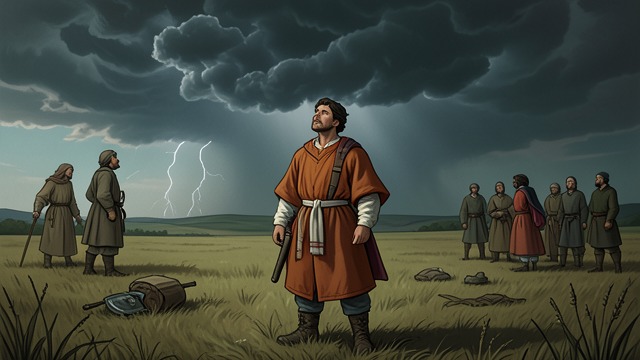
The Essay Rejects a Distant Governor
The Philosophical Alternative
Carson criticizes the view that God establishes general laws and then cannot intervene in particular events. In that model, suffering and disaster become unavoidable costs beyond divine direction.
Immediate Governance
He argues instead that God works through ordinary processes as well as extraordinary interruption. Particular events remain under divine care even when they appear to arise from general causes.
Free Choices in the Chain
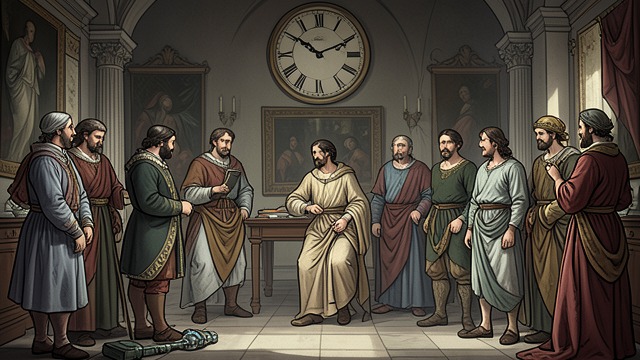
Human Acts Remain Voluntary
Motives Belong to the Agents
The king, Vashti, counselors, and court officials act from their own dispositions. They do not intend to carry out a plan for the Jews’ deliverance.
A Purpose Beyond Intention
Carson argues that their decisions can nevertheless contribute to an outcome governed by God. He refuses to erase human responsibility while insisting that free choices remain within providential direction.
A Delayed Reward
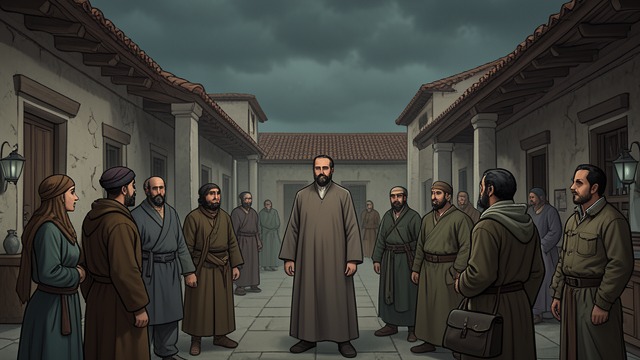
Inaction Becomes Consequential
An Unrewarded Deed
Mordecai’s earlier service is recorded but not immediately honored. The king’s failure to act appears to be simple neglect.
Timing Changes Its Meaning
Had Mordecai received recognition at once, Carson argues, later events might have unfolded differently. The delay becomes an active part of the chain that brings him into danger and then saves him.
A Sleepless Night Directs Events

An Ordinary Disturbance Becomes Decisive
Restlessness and Reading
Ahasuerus cannot sleep and asks for the royal records. A reader happens upon the account of Mordecai’s service.
A Chain without a Miracle
Carson sees no supernatural spectacle in the episode, yet regards every detail as decisive. The king’s sleeplessness, the choice of reading, and the record’s discovery combine to avert immediate danger.
The Chain Becomes a Method of Reading

History Is Read through Providence
Particular Incidents Matter
The essays urge readers to recognize divine purpose not only in major political changes but also in small daily events. A chance-looking detail may acquire meaning through its place in a larger sequence.
A Framework for History
Carson presents Esther as a pattern for reading history, not simply as an isolated deliverance. The interpreter is asked to consider how separate human actions converge toward an end no individual agent planned.
In Carson’s opening account of Providence
As the Esther events begin to connect
Between Mordecai’s service and the king’s sleepless night
The night Haman plans Mordecai’s death
At the close of the Esther discussion
