
The Gospel’s Historical Preparation
Book of EstherThis flow follows Carson’s interpretation of political unity, technology, literacy, and travel as historical conditions for the Gospel’s spread.
increasing Bearing strength in each event
 decreasing
Bearing strength in each eventdecreasingA Unified Ancient World
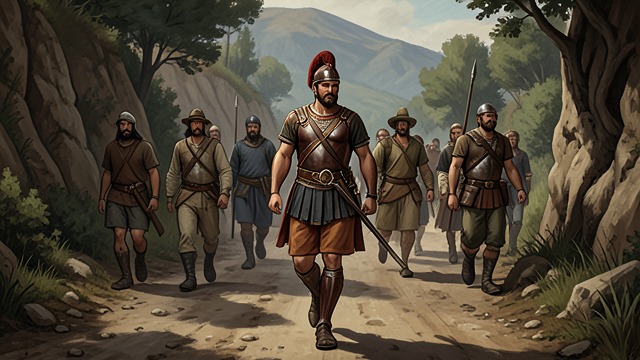
Political Unity Creates Access
Peace and Imperial Connection
Carson points to relative peace and the extensive reach of the Roman Empire as conditions that allow travelers to move among regions. These conditions make communication easier than a divided and constantly warring world would permit.
A Missionary Route
The Apostles can carry their message along roads and through connected territories. The essay interprets this imperial structure as a means that serves a purpose beyond the empire’s own intentions.
Paper and Printing Converge
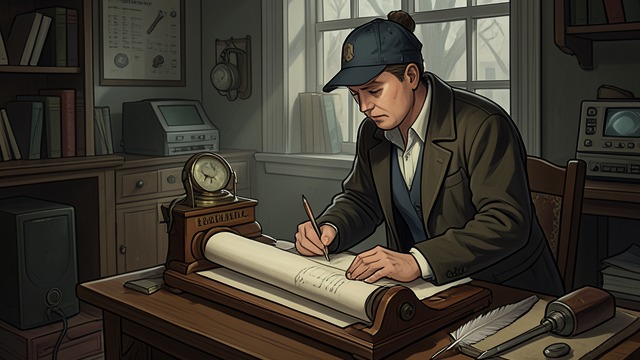
Texts Become Reproducible
A Cheaper Material
Paper reduces the expense of producing written books compared with scarce parchment. The invention and spread of papermaking provide one necessary condition for wider circulation.
Mechanical Multiplication
Printing later allows books to be produced in numbers that hand copying could not match. Carson sees the conjunction of the two developments as especially important for Scripture’s accessibility.
Learning Revives

Scholarship Supplies New Tools
Languages and Criticism
The revival of learning increases access to ancient languages and develops methods for examining texts. Carson argues that these skills become useful for translation and for contesting religious error.
A New Intellectual Setting
Learning does not automatically produce Christian belief, but it can supply resources that reformers use. The same scholarly work may be pursued for motives unrelated to the Gospel and still have consequences for it.
Navigation Connects Distant Peoples
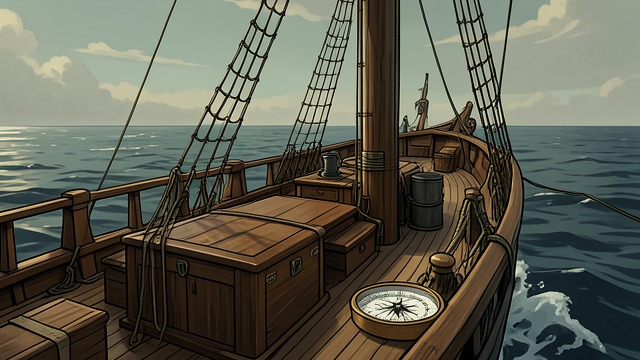
Sea Routes Extend Contact
A New Reach
The compass and advances in navigation enable ships to travel farther across open water. Voyages reach regions previously outside regular European contact.
A Route for Messages
Carson argues that discovery makes distant communities reachable, while shipping and commerce can carry texts and people. The technology becomes a means whose later use exceeds the explorers’ individual intentions.
Commerce Carries the Bible
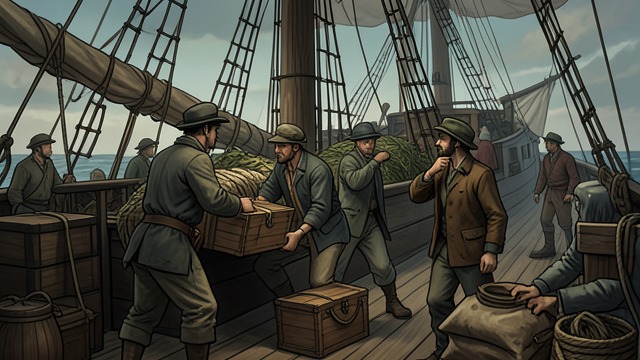
Trade Supplies Regular Transport
Ships Already in Motion
Commercial routes provide vessels, sailors, and established contact with ports around the world. Missionary organizations could not easily create an equivalent transport system from their own funds alone.
An Unintended Carrier
The ships serve commerce first, yet can also carry missionaries and Bibles. Carson interprets this secondary use as part of the historical means by which worldwide proclamation advances.
Around the emergence of Christianity
From the spread of paper through the fifteenth century
From the eleventh century into the Reformation
During the Age of Discovery
By the modern missionary era
