
The Gospel’s Expansion across History
Book of EstherThis flow traces the essay’s account of the Gospel’s movement from apostolic beginnings through historical obstacles toward worldwide proclamation.
increasing Bearing strength in each event
 decreasing
Bearing strength in each eventdecreasingA Difficult Commission

A Message Sent into Opposition
The Commission
The Gospel is to be preached among all nations, a task Carson sees as far beyond the reach of the first disciples’ natural resources. The Apostles begin without political power or broad social influence.
An Unpromising Audience
The message confronts religious traditions, intellectual resistance, and established interests. Its advance therefore cannot, in Carson’s argument, be explained simply by its appeal to existing human preferences.
Rapid Apostolic Growth
The Gospel Spreads Quickly
Unexpected Converts
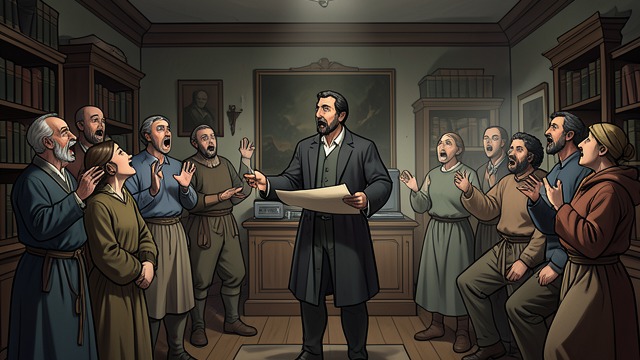
The essay contrasts the small following left by Jesus during his ministry with the rapid response to apostolic preaching. It points to the conversion of three thousand at Pentecost as a striking example.
A Providential Explanation
The apostles are portrayed as comparatively unworldly messengers facing entrenched opposition. Carson interprets their success as evidence of divine action rather than the predictable effect of their social position or resources.
Imperial Persecution

Opposition Fails to Extinguish the Message
A Hostile Empire
The Roman Empire opposes Christianity for centuries, and Carson emphasizes that the faith is not established by a rebel army protecting it. Its adherents face political pressure while lacking the machinery of state.
Persistence Under Pressure
The endurance of Christian communities becomes part of the essay’s evidence for providential care. Resistance that might have stopped a movement instead accompanies its continued spread.
The Scriptures Preserved

A Hostile Custodian Preserves the Text
A Contested Custody
Carson argues that Scripture survived through institutions he regards as deeply opposed to its full authority. He does not claim that one institution alone preserved every copy, but stresses the unexpected survival of the text.
Preservation as Irony
The institution that, in his polemic, seeks to limit Scripture’s reach nonetheless transmits the book that challenges its power. The contradiction becomes part of his providential interpretation of history.
Worldwide Historical Preparation
New Means Extend the Reach
Tools and Connections
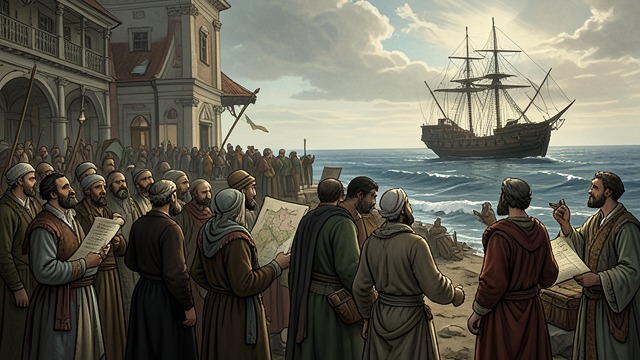
Paper, printing, navigation, commerce, and wider literacy lower barriers to the distribution of Scripture. Carson interprets their separate histories as converging around the Gospel’s worldwide commission.
A Continuing Process
Missionary institutions and changing political conditions add new routes for circulation. The essay presents this accumulation as a long historical process, not as a single triumphant event.
At the beginning of the Apostolic Age
During the Apostolic Age
The first three centuries after the Gospel’s emergence
Across the medieval centuries
From the medieval revival through the modern missionary era
