Three thousand convert at Pentecost
Book of EstherThree thousand convert at Pentecost is presented as a striking instance of the Gospel reaching a multitude through Peter’s preaching. The author uses the event to argue that conversion and the spread of the faith cannot be explained by human ability or spectacle alone: their decisive cause is the power that opens hearts to receive the message.
The Event and Its Scale
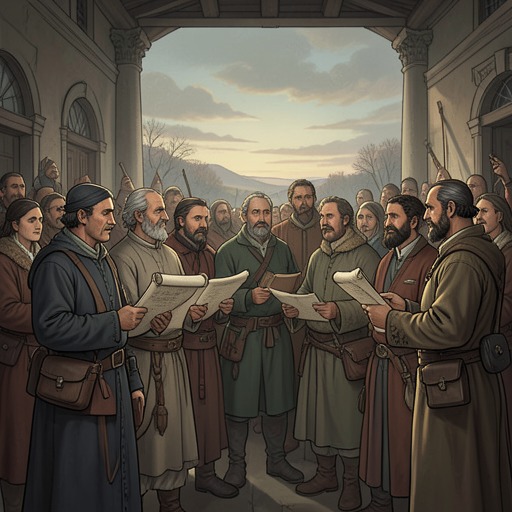
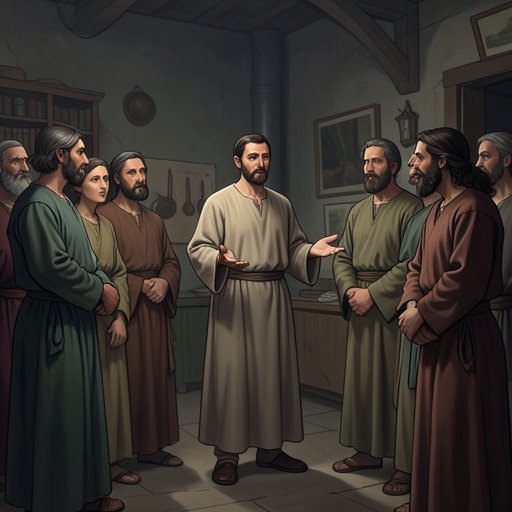
The account identifies three thousand people as converts on the day of Pentecost. In the author’s comparison, Peter’s single address brought about a response on a scale that contrasts sharply with the small number of followers Jesus had at his death, despite Jesus’s preaching and mighty works. The contrast makes the event evidence, in the author’s reasoning, that neither eloquence nor miracles naturally compel belief.
Conversion and Mercy
The book also invokes the three thousand as an example of mercy reaching people implicated in bloodshed. It says they found mercy through belief in the truth, and treats their conversion as a demonstration that divine mercy extends even to grave sinners. The emphasis is not on the converts’ identities or individual histories, which the account does not supply, but on the breadth of the mercy represented by their collective response.
Theological Significance
The event supports the author’s distinction between outward circumstances and the inward source of religious change. The apostles’ work mattered, but its rapid success is attributed to divine power rather than to any inherent efficacy in the means themselves. Pentecost therefore stands both as a large-scale conversion and as evidence for the book’s wider claim that the Gospel advances through an agency beyond human persuasion.