
The Reversal of Retribution
Book of JobThis thread tracks the friends' claim that earthly outcomes reveal moral worth and Job's counterexamples that expose the instability of that doctrine.
increasing Bearing strength in each event
 decreasing
Bearing strength in each eventdecreasingThe Friends' Certainty

The Friends' Certainty
Moral Arithmetic
Eliphaz, Bildad, and Zophar connect wrongdoing with disaster and righteousness with eventual prosperity.
Appeal
The rule offers a reassuringly legible world, but its apparent clarity depends on interpreting each person's fortune as a moral verdict.
Job's Prosperous Past
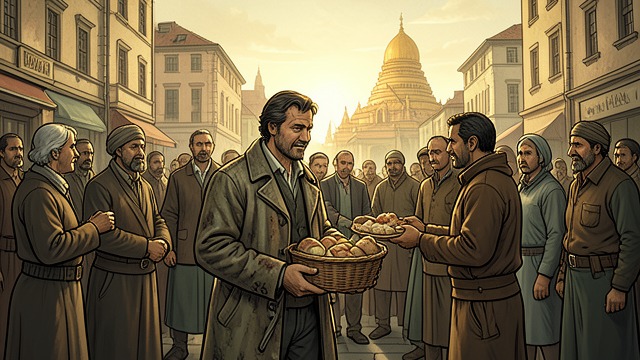
Job's Prosperous Past
Public Good
Job remembers giving aid to the poor, defending vulnerable people, and receiving respect in the city.
Contradiction
His recollection makes the friends' hidden-sin accusations harder to sustain. His former prosperity accompanied visible acts of justice, not merely private status.
Wicked Lives Flourish

Wicked Lives Flourish
Counterexample
Job observes that some wicked people live securely, see their children prosper, and die at ease.
Doctrine Pressured
Such lives resist the promised pattern of immediate punishment. Job insists that inherited sayings cannot substitute for an honest account of experience.
The Friends' Accusation Hardens
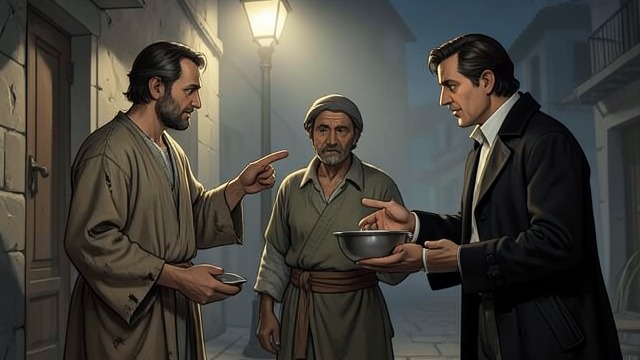
The Friends' Accusation Hardens
Specific Charges
Eliphaz invents accusations that Job withheld water, bread, and clothing from the needy.
Reversal
Rather than revise their theory, the friends manufacture sins to fit it. The gap between moral certainty and evidence becomes unmistakable.
God Rejects Their Defense
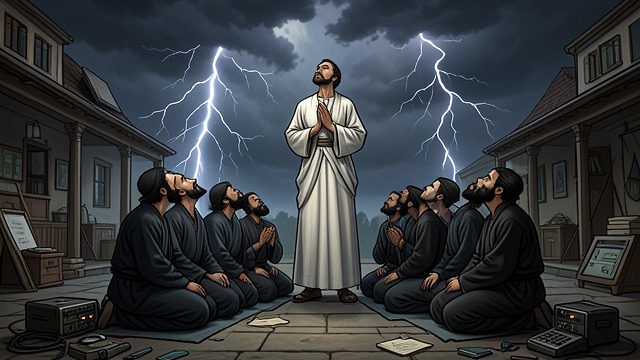
God Rejects Their Defense
Verdict
God rebukes the friends for their speech and accepts Job's intercession on their behalf.
Reversal Completed
The friends' confidence does not make them reliable defenders of divine justice. Job, whose complaint they condemned, becomes the one whose prayer they need.
In the first round of debate
As Job recalls his former standing
During Job's challenge to the friends
In Eliphaz's later speech
After the whirlwind encounter
