
The Debate's Escalation
Book of JobThis thread follows the debate as a cycle of consoling advice turns into sharper accusation, counterargument, and a crisis that only God's intervention can interrupt.
increasing Bearing strength in each event
 decreasing
Bearing strength in each eventdecreasingThe First Counsel
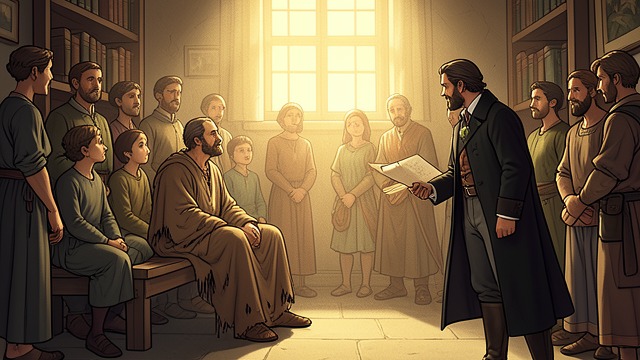
The First Counsel
Gentle Opening
Eliphaz begins cautiously, recalling Job's past encouragement of others before suggesting that suffering may be correction.
Fault Line
His compassion already rests on the assumption that pain must have a moral explanation. That premise drives the conflict forward.
Job Demands Understanding

Job Demands Understanding
Protest
Job says his grief outweighs the sea's sand and asks his companions for pity rather than accusation.
Escalation
He remains willing to hear correction if they can show where he has erred. The conflict sharpens because he seeks evidence, not slogans.
Accusations Replace Comfort
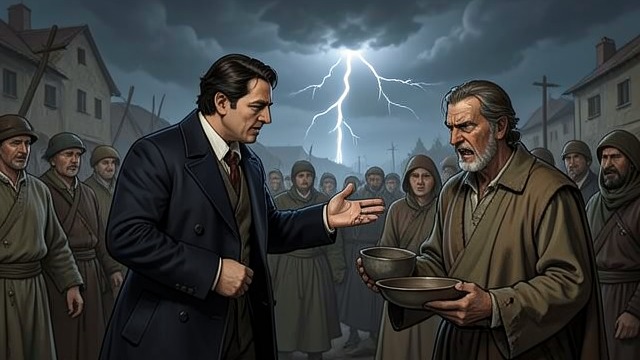
Accusations Replace Comfort
Hardening
Bildad and Zophar defend divine justice by suggesting guilt and urging repentance.
Breakdown
Job calls them miserable comforters and points to the prosperity of the wicked. Their exchange becomes a contest over whose account of reality can survive scrutiny.
The Debate Reaches an Impasse
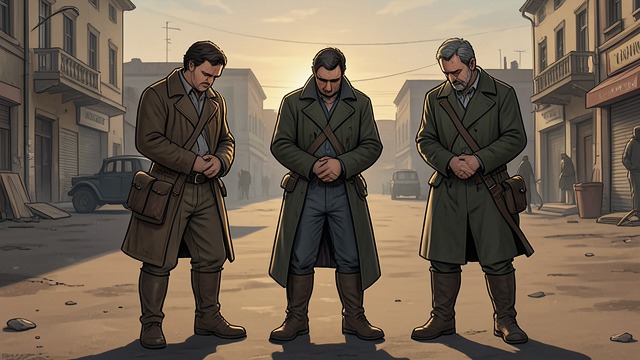
The Debate Reaches an Impasse
Silence Returns
The three friends have no answer to Job, though they continue to regard him as wrong.
New Intervention
Elihu enters angrily, criticizing both sides. His arrival signals that the argument has exhausted its original participants without resolving the question.
The Dispute Changes Scale
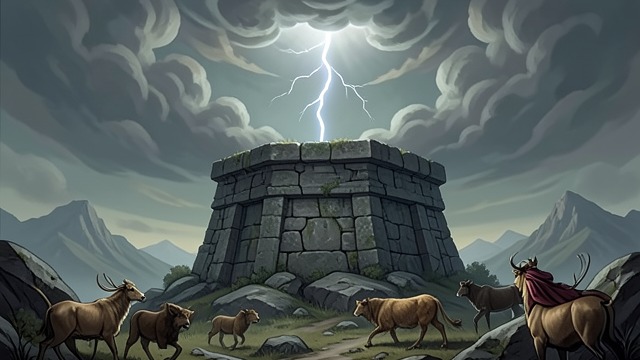
The Dispute Changes Scale
Divine Challenge
God asks Job to account for the world's foundations, weather, and untamed creatures.
Climax
The argument shifts from competing moral explanations to the limits of human judgment. The conflict is redirected rather than settled by a direct causal answer.
At the beginning of the dialogue
After Eliphaz's first speech
Across the friends' successive speeches
After Job's final defense
When God speaks from the whirlwind
