
Job's Public Fortune and Reputation
Book of JobThis character thread traces Job's transformation from civic leader to public object of contempt and finally to a figure restored among his kin.
increasing Bearing strength in each event
 decreasing
Bearing strength in each eventdecreasingHonor at the City Gate
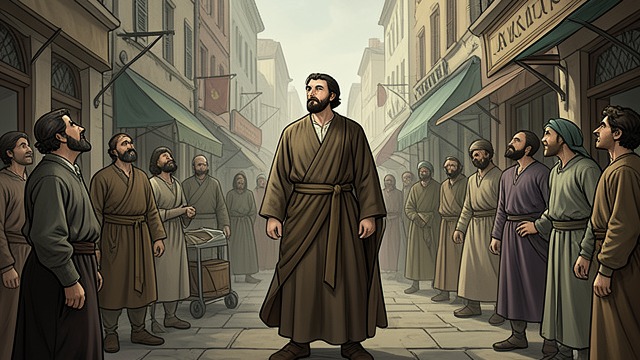
Honor at the City Gate
Civic Standing
Job recalls that elders stood when he entered and leaders fell silent to hear him.
Reputation
His authority rested on social respect and a record of defending the vulnerable. The contrast makes his later humiliation a public as well as private reversal.
Comforter of the Grieving

Comforter of the Grieving
Service
Job describes himself as a father to the poor, eyes to the blind, and feet to the lame.
Moral Memory
His account contests the picture of a secretly cruel man. He measures former greatness through responsibility to others, not wealth alone.
Mocked by the Lowly
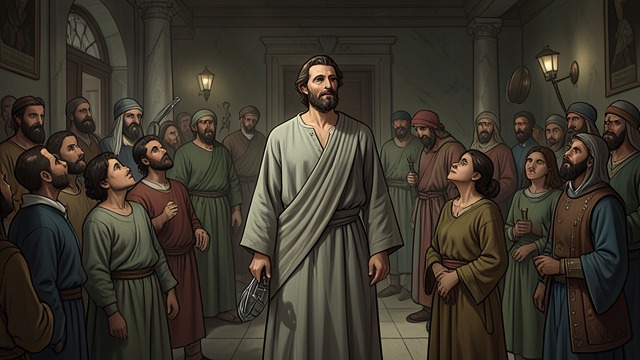
Mocked by the Lowly
Reversal
People younger and poorer than those Job once respected now ridicule and avoid him.
Social Exile
The loss of status compounds his bodily pain. The man once heard at the gate becomes a byword, stripped of the protections reputation once afforded.
Abandoned by Familiar People
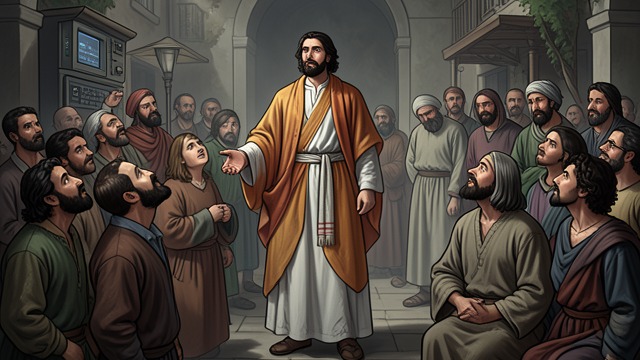
Abandoned by Familiar People
Estrangement
Job says relatives, household members, servants, and close companions treat him as a stranger.
Isolation
The story presents suffering as social rupture as well as pain. Job asks for pity from the very community that has withdrawn from him.
Received Again
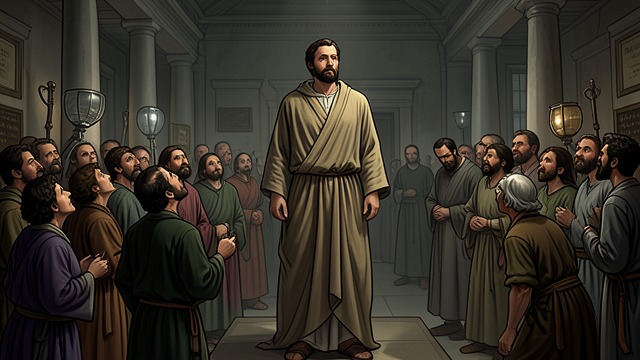
Received Again
Return of Acquaintances
Job's relatives and former acquaintances gather at his house, mourn with him, and offer gifts.
Restored Place
His recovery includes renewed belonging. The ending returns him to human company after a long interval in which even familiar people seemed lost.
Before Job's losses
During Job's recollection of his former life
After Job's status has collapsed
During Job's lament over isolation
After Job prays for his friends
