
Job's Kinship with the Vulnerable
Book of JobThis thread follows Job's remembered obligations toward the poor and powerless, which become central evidence in his defense of his character.
increasing Bearing strength in each event
 decreasing
Bearing strength in each eventdecreasingA Father to the Poor
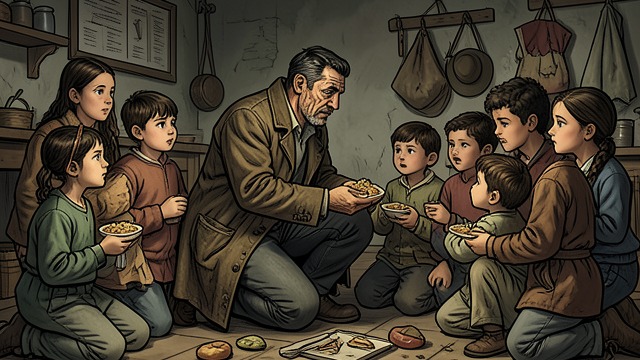
A Father to the Poor
Responsibility
Job says he acted as a father to the poor and investigated causes he had not known.
Moral Bond
His account defines care as active responsibility, not pity from a distance. It becomes an important counterweight to the friends' later accusations.
Delivering the Helpless

Delivering the Helpless
Defense
Job recalls rescuing the poor and fatherless and making widows rejoice.
Public Justice
He presents justice as intervention against those with power. His former relationships with the vulnerable shape his claim to integrity.
The Accusation of Neglect
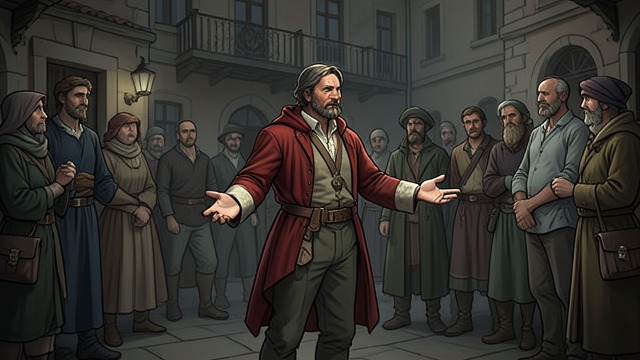
The Accusation of Neglect
Reversal
Eliphaz alleges that Job withheld water, bread, and clothing from people in need.
Personal Wound
The charge attacks the very responsibilities Job says defined his public life. It turns a debate about suffering into a conflict over his bonds with the helpless.
The Oath Names the Vulnerable

The Oath Names the Vulnerable
Ethical Inventory
Job says he fed the fatherless, clothed the poor, and did not exploit servants or widows.
Accountability
His defense measures righteousness through treatment of other people. The oath refuses to let the argument remain abstract theology.
Mercy Extends to Former Friends
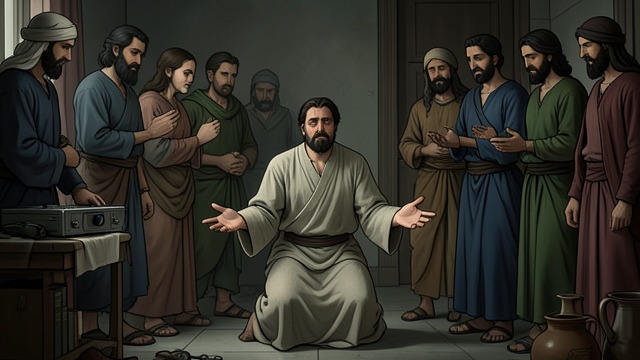
Mercy Extends to Former Friends
Intercession
Job prays for the companions who accused him after God rebukes them.
Enlarged Care
His concern for others persists beyond the poor and powerless of his earlier life. The final act makes mercy part of his restored character.
During Job's recollection of his former life
In Job's description of his civic work
During Eliphaz's later speech
Near the end of Job's defense
In the closing restoration
