
The Problem with Prosperity as Proof
Book of JobThis thread traces the danger in reading success as evidence of goodness and calamity as evidence of guilt.
increasing Bearing strength in each event
 decreasing
Bearing strength in each eventdecreasingBlessing Raises Suspicion

Blessing Raises Suspicion
Satan's Argument
Satan claims Job's devotion depends on the protections and prosperity God gives him.
Moral Test
The accusation exposes a risk in treating success as a simple sign of virtue: people may confuse reward with moral character.
Disaster Misread as Guilt

Disaster Misread as Guilt
Friends' Inference
Job's companions treat his suffering as evidence that he must have sinned.
Harm
Their interpretation compounds his pain with blame. The book shows how a theory of reward can become a mechanism for condemning those already in distress.
Job Observes the Wicked

Job Observes the Wicked
Counterexample
Job describes wrongdoers who live long, secure lives and see their households prosper.
Contradiction
His observations undermine the claim that earthly fortune reliably reveals moral standing. Prosperity may coexist with injustice rather than certify goodness.
Job's Life Recalled
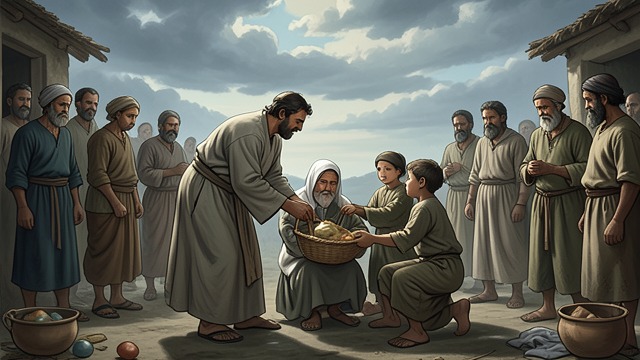
Job's Life Recalled
Ethical Record
Job recalls helping widows, the fatherless, and the poor before catastrophe overtook him.
Reconsidering Success
His earlier prosperity did not make him morally empty; it gave him means to serve others. The story separates wealth from the virtue people may project onto it.
A Restoration Not Used as Proof

A Restoration Not Used as Proof
Renewed Fortune
Job receives renewed wealth and family life after praying for his friends.
Caution
The ending does not say that his earlier suffering proved wickedness or that restored prosperity proves flawless virtue. The moral equation remains unsettled.
At the heavenly challenge
After Job's losses
During the middle debate
During Job's closing defense
In the epilogue
