Bildad
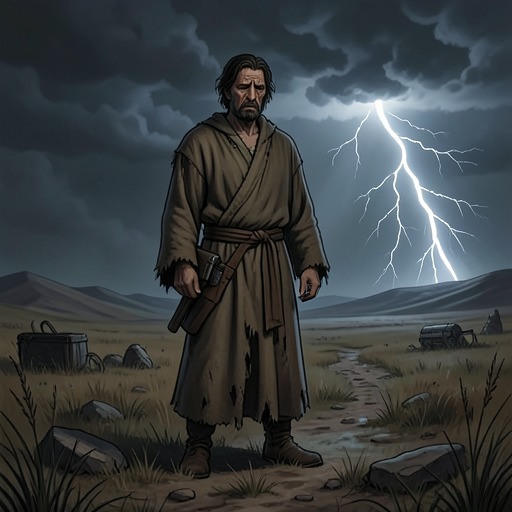
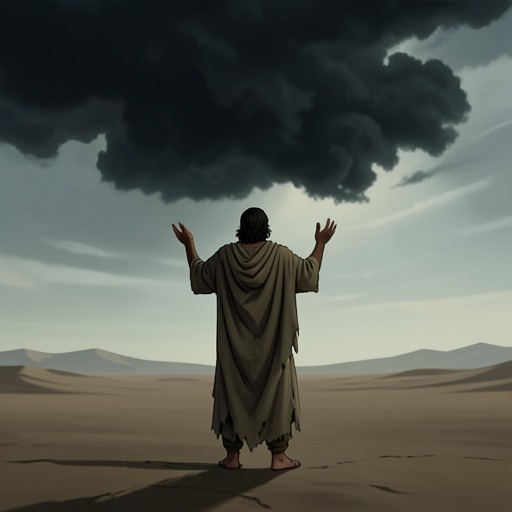
Book of JobBildad is one of the three friends who answer Job during his long dispute over suffering and divine justice. Across three speeches, he challenges the force of Job’s complaints and speaks of God’s dominion; the ending, however, places Bildad among the friends whom God rebukes, while Job is accepted as their intercessor.
Place in the Debate
Bildad appears as a respondent in the debate between Job and his friends, speaking in chapters 8, 18, and 25. The surviving passages present him not as a detached observer but as a participant who repeatedly takes up the question of how Job speaks about his plight and God. His speeches are separated by Job’s replies, making the exchange a recurring contest over both the substance and the manner of Job’s complaint.
Challenges to Job
In his first recorded intervention, Bildad asks how long Job will continue speaking and compares the words of his mouth to a strong wind. The image turns the debate toward speech itself: Bildad treats Job’s complaint as excessive and presses him to stop. His next recorded address renews that challenge, asking when the others will make an end of words and declaring that they will speak after Job has marked what he says. Together, these openings establish Bildad as a forceful respondent who contests Job’s speech rather than simply echoing his grief.
Claims About God
Bildad’s third recorded speech begins with an assertion that dominion and fear belong to God, who makes peace in the high places. This brief passage shifts the emphasis from the length and force of Job’s words to divine rule. It records Bildad’s affirmation of God’s authority, though the available lines do not provide enough of the speech to establish the full argument he develops from it.
Rebuke and Narrative Role
At the close of the book, God tells Eliphaz that His wrath is kindled against him and his two friends, because they have not spoken rightly about Him as Job has. Bildad is included among those two friends. God directs the friends to take seven bulls and seven rams and offer a burnt offering; Job is to pray for them, and God says He will accept him. The friends do as commanded, and God accepts Job. Bildad’s place in the ending therefore complicates his earlier certainty: he has spoken repeatedly about Job and God, but the final judgment distinguishes Job’s words from those of his companions and makes Bildad dependent on Job’s prayer.