Afghanistan
Bridget Jones: Mad About the BoyAfghanistan enters the narrative not as a visited setting but as the source of a remembered catastrophe: a mistaken attack, the deaths of women and children, and the aftermath the returning teacher found. His account links that experience to his decision that he had done his part and was finished, giving his apparently modest new life a history of violence and loss.
Service and Return
Before the account of the attack is disclosed, Rebecca sketches the teacher’s background. He had gone to Sandhurst, spent much of his time abroad, and maintained only intermittent contact with a male friend. That friend, Jake, ran into him a few months earlier and learned that he had been in Afghanistan, that something bad had happened, and that he was back and trying to keep life simple.
Rebecca’s amusement at the idea of teaching at a London private school as a simple life sets the return in comic contrast with the experience behind it. The teacher’s work at the school may look quiet from the outside, but his phrase about keeping things simple carries the weight of a decision made after what happened in Afghanistan.
The Recalled Attack
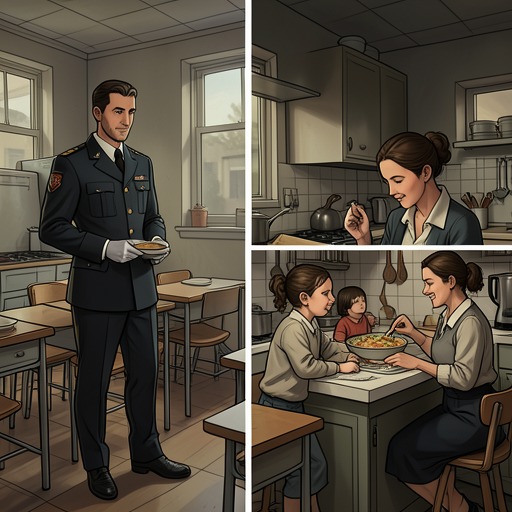
The place becomes specific during a conversation at five in the morning, after Bridget and the teacher have spent the night together. They share Martha’s soup beside the fire, where he tells Bridget that an accident—a mistaken attack—had killed women and children. He had found the aftermath. The account is brief, but its sequence makes the consequence plain: exposure to the deaths and their immediate aftermath led him to decide that he had done his bit and was through.
Afghanistan is therefore present through testimony rather than a narrated scene. The reader receives neither a description of the attack’s setting nor further details of the circumstances; the place is attached to what the teacher says happened and to the decision that followed. The narrative moves from Rebecca’s second-hand report that something bad had happened to the teacher’s own disclosure of the deaths and aftermath.
Aftermath and Significance
Bridget responds to the disclosure not with an argument or a demand for more detail, but by putting her arms around him and stroking his head. The gesture follows the night’s intimacy and makes the conversation a moment of care as well as revelation: the teacher’s return to ordinary life is shown alongside the experience he has not previously described to her.
The Afghanistan disclosure also changes the meaning of his wish to keep life simple. What sounded to Rebecca like an ironic description of a private-school teaching job is revealed as a deliberate withdrawal from a past in which women and children were killed. The place’s narrative significance lies in that contrast between an unseen, devastating experience and the quiet present in which he finally tells Bridget about it.