Do Not Text When Drunk
Bridget Jones: Mad About the BoyDo Not Text When Drunk is the leading rule in Bridget Jones’s dating code, born from the very lapse it is meant to prevent. A prohibition against impulsive messaging becomes both practical advice and a measure of the distance between knowing how to behave and being able to do so when desire, alcohol, and a phone converge.
The rule in practice
The rule first appears as the number one key dating rule on Saturday, 15 September 2012. That evening Bridget is waiting on a possible call or message from Leatherjacketman: at 8:15 p.m. she celebrates the telephone, and at 9 p.m. a call from Bridget’s Mother interrupts her speculation about whether he might text. The small sequence establishes the particular pressure behind the rule. The phone is not merely a tool for arranging a date; its availability keeps Bridget poised between hope and action.
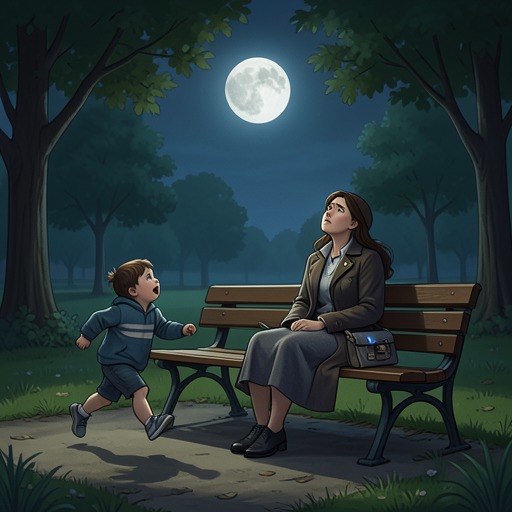
By 10:20 p.m., she is using the language and sentiment of pop songs to encourage herself toward romantic openness. The diary immediately turns that mood into a counter-instruction: words from pop songs should not guide behaviour, especially when drunk. A minute later Bridget wonders why she should hold back from texting him. At 10:35 p.m. she sends the message, its spelling visibly compromised. Her decision is not the product of considered communication. It follows an emotional argument in which a song’s idea of love as a flowing stream is made to justify an instant act.
Bridget describes the difference between a text and a letter as a difference in friction. A letter would require finding a pen, paper, envelope, stamp, and Leatherjacketman’s home address, then leaving two sleeping children to find a postbox late at night. A text, by contrast, goes with a fingertip, carrying the speed and force she compares to a missile. The comic escalation also gives the rule its practical logic: the ease of sending is precisely what makes the moment dangerous. A message that would have been delayed or abandoned in the age of letters can be dispatched before reflection catches up.
The morning-after reading
The following day, Talitha, Tom, and Jude examine the message with Bridget. Jude points out that she is clearly drunk; Tom objects to the late hour and says Bridget has already told Leatherjacketman she wants to see him again, so the new message risks sounding desperate. The friends read not just its words but its timing, spelling, and place in the sequence of their communication. Bridget, staring at the text, asks whether she has ruined everything. The rule is therefore social as well as self-protective: it warns her that an intoxicated message may disclose more urgency than she intends and may be interpreted in ways she cannot control.
The immediate answer complicates the apparent disaster. Leatherjacketman replies almost at once, asking about Bridget’s babysitting schedule and proposing the following Saturday night. Bridget’s excitement surges; the message has not ended the prospect of another date. That outcome does not cancel the friends’ criticism or make the rule unnecessary. Instead, it separates consequence from judgment: a hopeful reply follows an unwise text, but success in this instance does not make the decision sound. The rule is fashioned from risk, not from a claim that every drunken message will produce rejection.
From mishap to dating code
Bridget later places the episode within a much larger attempt to learn dating rules. She searches through books accumulated from her thirties and finds seventy-five pages of online dating self-help titles on Amazon. She studies and marks them up, looking for shared principles rather than trusting any one authority. Do Not Text When Drunk stands at the head of the resulting list, and a version of the warning appears again at its end. That placement makes the instruction both a starting point and a refrain: it is the clearest lesson to emerge from the books, and the one the earlier episode has already shown Bridget failing to observe.
The surrounding rules show how broad her project is. They advise her not to obsess or fantasize, to respond to what is actually happening rather than what she wishes were happening, to stay calm, and to let a relationship unfold at its own pace. The prohibition on drunk texting belongs to a larger effort to regulate interpretation as well as action. Bridget’s late message has been prompted by a romantic idea borrowed from a song; the rule asks her not to let a temporary emotional state decide what she sends. Her code includes related warnings against being drunk or stoned and against texting while drunk, making the danger of intoxication explicit rather than treating the phone as the only problem.
Knowledge, performance, and the phone
Bridget knows that a list of rules is not the same thing as mastery. She likens her reading to a philosopher developing theories in an ivory tower without living by them. In practice, her experience with Leatherjacketman is the material she has to work with: reviewing what went wrong through the lens of her new reading helps her revise her sense of herself as incompetent, gross, a failure, and unlovable. The rule therefore does more than condemn one message. It gives Bridget a way to understand a painful embarrassment as an error that can be examined, rather than proof that she is incapable of being loved.
Other moments involving her phone make the distinction between a rule and a reflex visible. On meeting Roxster, Bridget is about to reach for her phone to tweet about his lovely voice when he places his hand on it and tells her not to tweet. That scene concerns posting rather than texting, so it is not another instance of the rule itself. It nevertheless echoes the same immediate temptation to turn a developing encounter into a message for an audience. Later, when Roxster contacts Bridget after she has noticed his dating profile, her hesitation concerns what to say and whether to pretend the encounter has not happened; the exchange is not presented as drunken. These contrasts keep the rule specific: it does not forbid communication, but singles out intoxication as a condition in which speed and feeling can outrun judgment.
The rule’s continuing force lies in that gap between intention and action. Bridget can state the prohibition, place it first among her principles, and explain why the phone makes restraint difficult; none of that erases the late-night send. Yet the reply from Leatherjacketman and Bridget’s later effort to learn from the episode prevent the lesson from becoming a simple tale of punishment. Do Not Text When Drunk is at once a comic command, an account of digital immediacy, and one of Bridget’s attempts to replace self-condemnation with usable knowledge.