
The Ethics of Letting Go
Bridget Jones: Mad About the BoyThis thread follows Bridget’s changing understanding of acceptance, from rules that promise control to a more humane willingness to live with uncertainty and imperfection.
increasing Bearing strength in each event
 decreasing
Bearing strength in each eventdecreasingResolutions Against Chaos

A Plan for a New Self
Lists and Control
Bridget creates long resolutions about work, exercise, parenting, technology, and housework. The lists promise that a better life can be achieved by organizing every failure into a task.
The List Breaks Down
Daily disruptions quickly overwhelm the plan, from missing keys to school schedules and household demands. The contrast shows how a desire for control can become another source of self-criticism.
Learning the Dating Rules

Conduct as Protection
A Manual for Uncertainty
After a painful date with Andy, Bridget studies dating advice and gathers rules for texting, timing, and emotional restraint. The rules appear to offer protection from the humiliation of wanting someone more than they want her.
The Limits of Control
Her later experience with Roxster is too alive and messy to follow a perfect script. The advice helps her recognize patterns, but cannot guarantee love or prevent loss.
When He Comes and Goes

A Buddhist Formula
Practicing Acceptance
When Roxster goes quiet, Bridget recalls the advice that when someone comes, they should be welcomed, and when they go, they should be released. The thought briefly helps her interrupt a spiral of anxious interpretation.
Acceptance Is Not Suppression
She soon becomes angry and admits how much she misses him. The movement between calm and fury shows that acceptance does not mean pretending not to care; it means facing attachment without turning it into certainty.
The State of Emergency
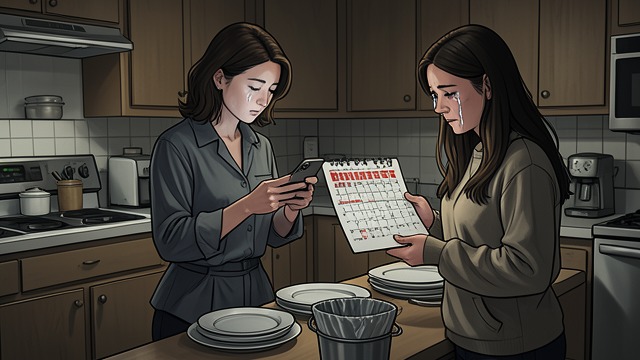
Too Much to Hold
Tasks Multiply
Bridget’s lists combine childcare, school events, work, shopping, exercise, and social obligations into a day that cannot contain them. Rebecca arrives in tears, recognizing the same exhaustion in her own life.
A Humane Pause
Bridget calls the situation a state of emergency, in which normal expectations are suspended and survival takes priority. The idea offers a practical alternative to self-blame when perfect organization is impossible.
Letting Life Be Imperfect

A Gentler Measure
Giving Up the Performance
After losing Roxster and her screenplay job, Bridget decides to stop trying to hold every part of her life together at once. She gives herself permission to spend time with the children rather than treating each hour as a missed opportunity.
A Shared Future
Unexpected help from her friends, mother, and Scott gradually creates a fuller family life. Bridget’s ending does not depend on becoming flawless; it rests on accepting care and allowing imperfect relationships to endure.
April 2012
Autumn 2012
April 2013
June 2013
July to December 2013
