The great tree
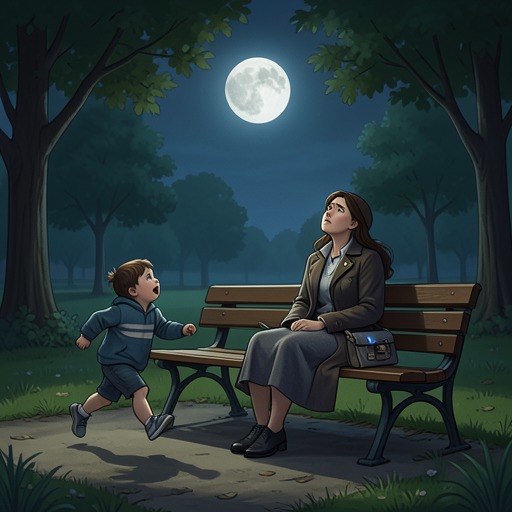
Bridget Jones: Mad About the BoyThe great tree is Bridget Jones’s self-made image of steadiness: a way to endure the loss of Roxster, resist romantic despair, and return attention to the life she has with her children. Its force lies in the gap between its calm, upright ideal and the comic, unsettled circumstances in which Bridget tries to live by it.
Image and Meaning
After the end of her relationship with Roxster, Bridget tries to “stand like a great tree” and accept what Tom calls the “Love that Could Not Beeeeeeee!” She cannot guarantee that anyone will love or desire her again, but she takes comfort in knowing that it is not entirely impossible. The image does not erase disappointment; it gives her a posture from which to bear it without treating it as proof that her romantic life is over.
A Practice of Resilience
By September, the tree has become a compact statement of Bridget’s present life. When Tom insists that Mr Wallaker loves her, she asks for the subject to be dropped and says she has accepted her situation: she, Billy, and Mabel are doing well, they are not broke, and she is no longer lonely. Calling herself a great tree gives this chosen stability a memorable form, even as her sharp response shows how much the possibility of Mr Wallaker still unsettles her.
Discipline and Comic Limits
In November, Bridget turns the metaphor into a rule for coping with comparison and low spirits. She tells herself not to wallow, not to feel worthless with men, and not to imagine that everyone else’s life is perfect; instead, she will concentrate on her “inner great tree” and go to yoga. The resolve immediately meets bodily farce: after too much Diet Coke, Pigeon Pose goes badly, and a meditation class costing fifteen pounds leaves her thinking about Mr Wallaker and Miranda before she nearly farts in shock. The sequence makes the tree less a claim of perfect composure than an imperfect practice—an effort Bridget resumes even when her mind and body refuse to become serene.