Sierra's Yellow Wolfsbane Poisoning
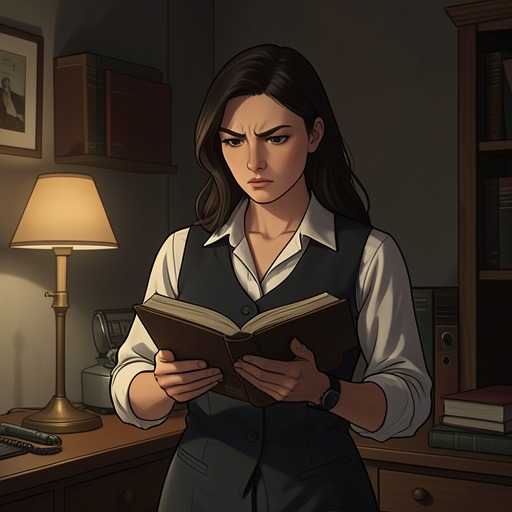
Broken Rejected MateSierra's Yellow Wolfsbane Poisoning is both an attack and a prolonged state of bodily peril. A vengeful hunter injects Sierra with rare yellow wolfsbane, expecting the poison to disable her while directing its danger through the intimate bond she shares with Alan Lowell. The poisoning does not kill Sierra immediately because she is a Dysomnia, but it places her in a condition where pain, exertion, shifting, and emotional connection all carry potentially fatal consequences. Her survival becomes inseparable from the wider conflict between the pack, the hunters, and those who fear Dysomnias.
Causes and Method
The poisoning occurs after the hunter arrives in a white car and announces that he has decided to avenge his sister. Alan Lowell initially expects the encounter to become a direct fight, but the hunter turns toward Sierra instead, reaches into a small black pouch, and uses an object resembling a syringe to inject liquid into her neck. Sierra falls instantly, clutching at her throat, while Alan Lowell is left to infer the scale of the danger from the attack itself and from the hunter's deliberate choice of weapon.
The hunter identifies the substance as yellow wolfsbane and describes it as very rare. He also claims that he is not sure how Alan Lowell's uncle acquired it, connecting the assault to a larger supply of weapons and poison rather than presenting it as an isolated act of revenge. His explanation distinguishes Sierra from ordinary werewolves: another wolf would already be dead, whereas Sierra's Dysomnia nature allows her to survive for the moment. Survival, however, is not safety. The hunter specifically warns that the poison will cause agonizing pain and will eventually become lethal.
Immediate Physical Crisis
The poisoning is communicated through collapse, pain, and the intimate perception created by Sierra and Alan Lowell's bond. After Sierra falls, Alan Lowell can feel how much she is suffering, and guilt rises alongside his fear. He had previously shown the hunter mercy, and he immediately recognizes that decision as a mistake because Alan Lowell's uncle had supplied the hunter with a weapon. The poisoning therefore becomes a moral wound for Alan Lowell as well as a physical wound for Sierra: the injury is inflicted by the hunter, but Alan Lowell experiences it as a consequence of his own failure to prevent a returning threat.
Even while incapacitated, Sierra remains concerned with the people around her. In a vision-like state between consciousness and unconsciousness, she sees her wolf and hears the command to stay awake. Sierra wants to help her friends, especially as violence and grief continue outside her body, but the wolf refuses to let her shift. The reason is precise: the more energy Sierra exerts, the more rapidly the poison flows through her system, and the wolfsbane must not be allowed to reach her heart. A shift into wolf form, which might ordinarily promise greater strength, would instead kill her.
This restriction turns Sierra's own power into a threat. She cannot simply fight, transform, or force her way through the crisis. Her wolf's warning creates a harsh contradiction between ability and action: Sierra is strong enough to matter in the surrounding conflict, but using that strength could accelerate the poison. Her pain is compounded by the anguish and rage Alan Lowell feels through their bond, leaving her senses overwhelmed and making her fear that she may lose control.
Diagnosis and the Problem of Knowledge
Sierra's poisoning is part of a broader medical uncertainty within the story. Before the yellow wolfsbane attack, Anthony Lowell lies injured by a silver sword infused with wolfsbane and another unidentified poison. Noah Collins explains that healing Anthony Lowell should ordinarily be easy for someone with his ability, yet the combination of silver, wolfsbane, and an unknown substance prevents him from identifying a reliable cure. Sierra's own crisis repeats this pattern in a more immediate form: supernatural healing exists, but it cannot automatically overcome weapons designed to exploit werewolf vulnerabilities.
The decisive clue comes through Sierra's awakened connection with her wolf soul. While holding Anthony Lowell's hand, Sierra feels a spark, then another surge through her veins, followed by a vision and the first clear voice she has heard from her wolf. The single word the wolf provides is “Lichen,” after which the presence retreats into the depths of Sierra's mind. The clue links Sierra's inner, newly accessible wolf knowledge to the practical problem of poison and eventually gives Noah Collins a path toward treatment.
The medical response is prolonged rather than miraculous. The following weeks pass in a blur, with much of the time spent at the pack hospital while Noah Collins removes the wolfsbane from Sierra's system. Her recovery is therefore a process of extraction and endurance, not an instant reversal of the hunter's attack. The hospital period also places Sierra's body within the pack's collective care, contrasting the hunter's use of poison as a covert weapon with the healer's patient attempt to restore her.
Relational and Political Consequences
The poisoning extends beyond Sierra's body because her condition is bound to the people who depend on her and to the conflicts surrounding the pack. Alan Lowell's ability to feel her pain makes the attack impossible to treat as a private injury. His anguish and rage enter Sierra's already overloaded consciousness, while his guilt is sharpened by the realization that mercy toward the hunter allowed a known threat to return with a weapon supplied through his uncle's network. The yellow wolfsbane thus converts an external act of vengeance into a crisis of trust, responsibility, and protection within the pack.
The hunter's claim that the poison will not kill Sierra immediately also exposes the importance of her Dysomnia identity. Her difference from an ordinary wolf is not merely a source of power; here it determines the form and duration of her suffering. The hunter treats that distinction as a reason to prolong the attack, while the narrative makes it the condition that leaves treatment possible. Sierra's survival therefore carries a double meaning: it demonstrates the resilience associated with Dysomnia blood, but it also confirms that exceptional strength does not make her invulnerable.
The poisoning occurs amid other injuries caused by hunter weapons, especially Anthony Lowell's silver-sword wound complicated by wolfsbane and an unidentified poison. Noah Collins's difficulty healing Anthony Lowell establishes that the hunters' methods are designed to defeat ordinary supernatural recovery. Sierra's yellow wolfsbane attack intensifies that medical and strategic problem, because the danger is both rare and insufficiently understood. Knowledge becomes a form of protection: the wolf's revelation of lichen provides the clue that allows treatment to proceed, while the pack hospital and Noah Collins's sustained work turn that clue into recovery.
Sierra's continued consciousness also preserves her role in the pack's moral emergency. Even while poisoned, she remains preoccupied with friends who are suffering outside her immediate experience and resists the passivity imposed by her condition. Her wolf's command to remain awake and not shift prevents a fatal act of self-sacrifice, but it does not erase Sierra's responsibility toward others. When she finally regains full consciousness, she is still surrounded by the consequences of the wider confrontation, including Andrew Lowell lying motionless and Alan Lowell refusing to leave him. The poisoning has not ended when the immediate injection ends; it has carried Sierra into the aftermath, where survival requires witnessing losses that she could not prevent.
Recovery and Lasting Significance
The removal of the poison takes place over several weeks at the pack hospital, making recovery a prolonged passage rather than a single triumphant cure. Noah Collins works to draw the wolfsbane out of Sierra's system, and the blurred passage of time records how thoroughly the attack disrupts ordinary life. Her body becomes a site of continued medical labor even as the pack handles burial, grief, and judgment elsewhere. This extended treatment gives the poisoning a delayed force: the hunter's brief injection produces consequences that persist through the deaths, silences, and institutional decisions following the battle.
Sierra's survival also affects the political standing of Dysomnias. Her growth and control have persuaded packs across the country that she is no longer a danger to werewolves, and that change in perception is acknowledged during the later proceedings against Ronald Lowell. The poisoning therefore becomes part of a larger reversal in which a body once treated as threatening is recognized as capable of endurance, restraint, and loyalty. The same Dysomnia nature that makes yellow wolfsbane less immediately fatal helps disprove the fear that Dysomnias are inherently uncontrollable.
The state ultimately reveals the limits of violence as a means of control. The hunter intends to avenge his sister and uses a rare poison to exploit Sierra's vulnerability, but the attack produces neither her death nor the restoration of what he has lost. Instead, it provokes Alan Lowell's lethal response, leaves Sierra dependent on collective healing, and becomes one more wound in the struggle over who has the right to define a wolf's nature. Yellow wolfsbane is consequently both a poison and a narrative test: it tests Sierra's ability to endure without shifting, Alan Lowell's capacity to protect without being consumed by guilt, and the pack's willingness to replace fear with knowledge and care.