
Prince’s First Fatal Accident
Bullet TrainThe Prince’s account of his first death reveals how he converts coincidence into permission to experiment with other people’s lives.
increasing Bearing strength in each event
 decreasing
Bearing strength in each eventdecreasingA Red Light Crossing
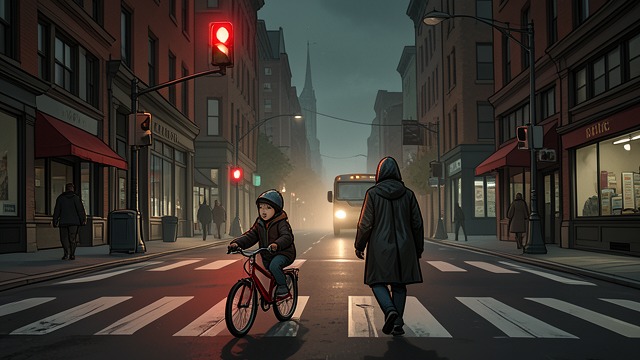
A Red Light Crossing
Death by misjudgment
As a child, the Prince rides his bicycle across a red light because he sees no reason to wait. A distracted pedestrian follows his movement and is struck by a van.
The Prince understands that his choice helped cause the death, yet feels no remorse. He concludes that he can escape notice and that responsibility may not arrive simply because someone has died.
An Experiment Begins
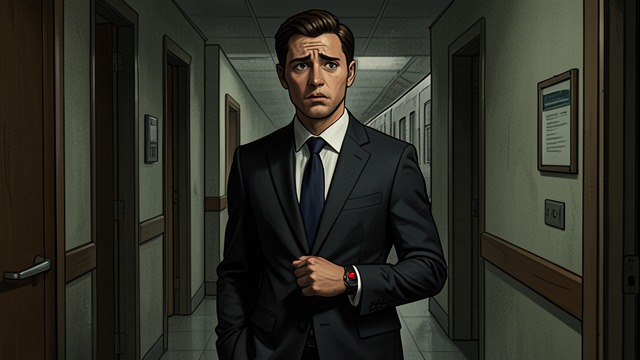
An Experiment Begins
Curiosity without empathy
The accident makes the Prince curious about how people die and how they respond to danger. He distinguishes between killing someone directly and causing harm through another person or circumstance.
That distinction becomes a rationalization. Rather than confronting responsibility, he treats the first death as evidence that consequences can be manipulated.
A Question Without Resolution
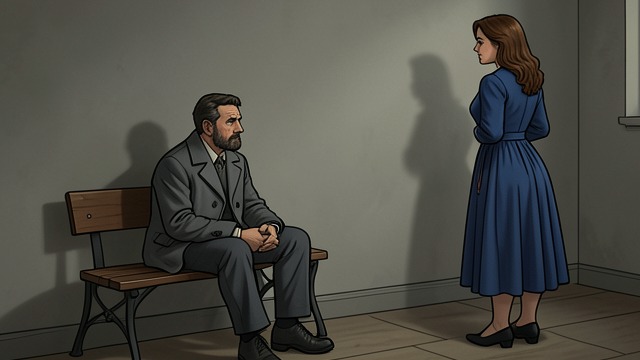
A Question Without Resolution
Testing adults
The Prince asks Kimura why killing is wrong, hoping for an answer that is more than convention. Kimura responds cynically, while Suzuki later gives an argument grounded in loss, law, and social order.
Neither answer transforms the Prince. His question is genuine in part, but it also serves as a test of whether adults can unsettle his own conclusions.
When the Prince was ten
In the years after the crossing
During Kimura’s confrontation on the train
