
Why Killing Is Wrong
Bullet TrainThe novel places competing answers to the Prince’s question beside the practical realities of violence, law, grief, and self-interest.
increasing Bearing strength in each event
 decreasing
Bearing strength in each eventdecreasingThe Provocation
The Provocation
A question as a weapon
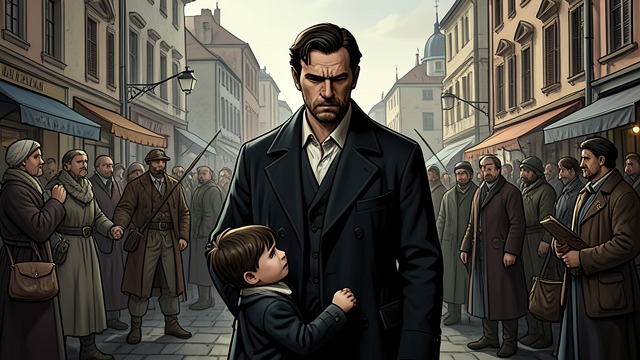
The Prince asks why killing is wrong, challenging adults to explain a rule that conflicts with war and state violence. He also uses the question to measure their certainty and expose what he sees as easy answers.
Kimura replies that killing is acceptable unless it affects him or his family. The answer reflects his cynicism and shows how the Prince’s provocation can draw out an opponent’s assumptions.
Suzuki’s Answer
Suzuki’s Answer
Loss and social order
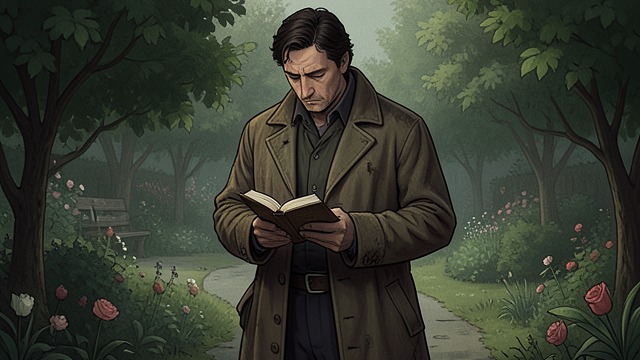
Suzuki says that killing is tragic because a vanished life cannot be restored, comparing the irreversibility to destroying a rare book. He also argues that a state prohibits murder because stable ownership and economic life depend on protection.
His account holds together personal grief and political utility. It does not offer a simple moral proof, but it refuses to treat the question as a clever game.
Violence as a Choice
Violence as a Choice
Answers have consequences
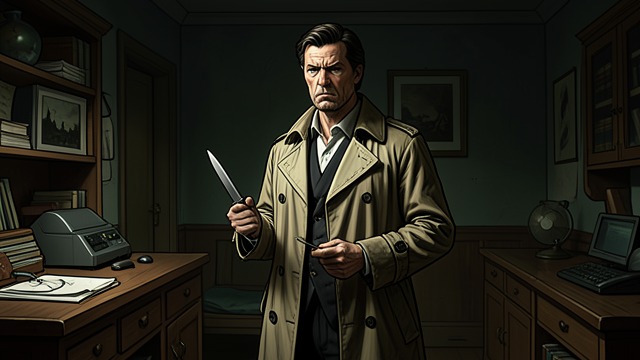
Lemon offers a survival-based answer: people who do not want to be killed must protect themselves. Tangerine reaches for literary ideas about self-interest and transgression, while the Kimuras answer danger through intervention.
The differing responses do not resolve the Prince’s question abstractly. They show that beliefs about killing become meaningful through the protection, betrayal, and harm they produce.
During the train confrontation with Kimura
Between Shin-Hanamaki and Morioka
Near Morioka, after the final confrontations
