
The Train as a Closed World
Bullet TrainThe Hayate’s compartments and scheduled stops turn the journey into a confined arena where movement, concealment, and escape continually reshape the conflict.
increasing Bearing strength in each event
 decreasing
Bearing strength in each eventdecreasingA Journey with Few Exits
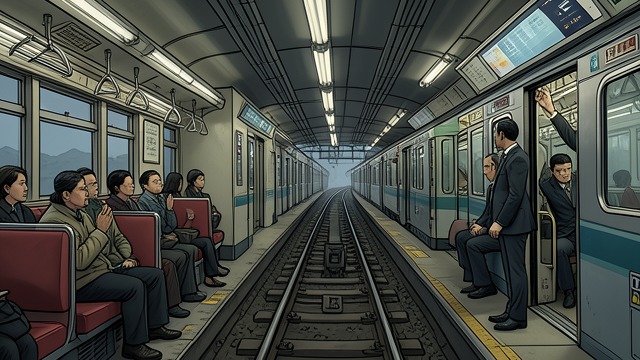
A Journey with Few Exits
The route imposes choices
The Hayate departs on a fixed line with reserved seats and limited stops. Nanao’s plan depends on leaving at Ueno, while the Prince, Kimura, and the killers each imagine that the train’s structure can be used to their advantage.
The ordinary timetable becomes a source of suspense. Once doors close, characters must wait, improvise, or move through a narrow chain of cars.
Rooms Inside the Train
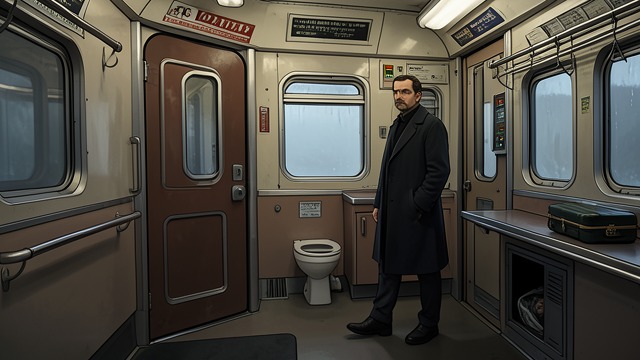
Rooms Inside the Train
Concealment and exposure
Gangways, toilets, luggage racks, and a hidden waste compartment provide temporary hiding places for people and objects. Each space seems private until another passenger opens a door or notices a detail.
The train’s design makes concealment possible but never secure. A locked bathroom, an unattended suitcase, or a body made to look asleep can quickly become evidence.
The Final Station
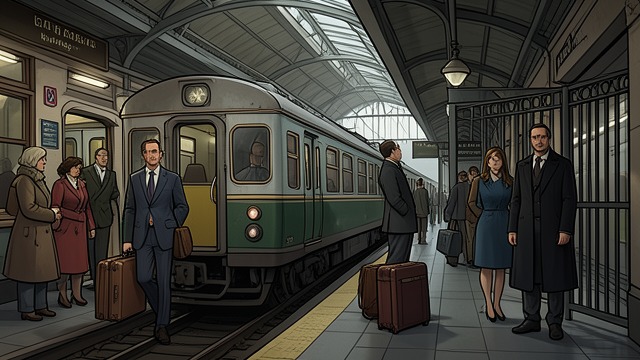
The Final Station
Arrival does not end the danger
The train reaches Morioka carrying the consequences of the journey: bodies, a missing suitcase, an uncertain assassination plot, and Minegishi’s men. Nanao wants to leave, but even the station gates complicate his escape.
The terminus closes the route without resolving every mystery. The characters exit into a world where the train’s disorder continues to shape what happens next.
At Tokyo Station, as the train departs
From Ueno to the approach to Sendai
At Morioka Station, near the ending
