
Work, Duty, and Responsibility
Bullet TrainThe novel contrasts paid assignments and professional codes with the responsibilities characters acquire when they encounter people in danger.
increasing Bearing strength in each event
 decreasing
Bearing strength in each eventdecreasingA Contractual Rescue
A Contractual Rescue
Duties defined by a client
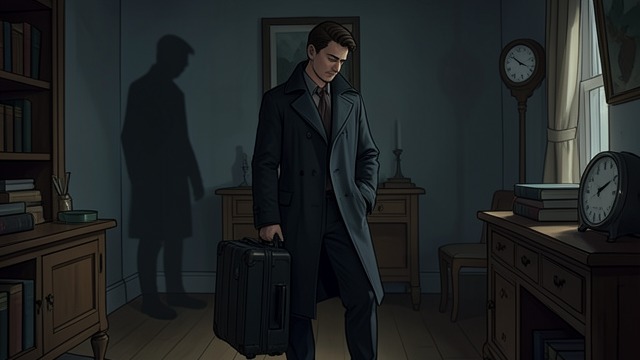
Tangerine and Lemon accept Minegishi’s assignment to rescue his son, return the ransom money, and eliminate the kidnappers. Minegishi ranks the goals, treating each as a deliverable.
The work initially appears bounded by that list. Once Little Minegishi dies, the professional language of completion cannot accommodate the emotional and political consequences.
Nanao’s Improvised Ethics

Nanao’s Improvised Ethics
Choices beyond the assignment
Nanao kills the Wolf accidentally, fights Lemon, and later confronts the Hornet’s partner. He repeatedly tries to avoid further involvement, yet acts when a vulnerable person appears to need help.
His conduct is neither cleanly heroic nor detached. He carries out dangerous work, but his childhood memory and immediate sympathy for others influence decisions that a narrow job description cannot explain.
The Job Ends, the Consequences Don’t
The Job Ends, the Consequences Don’t
Responsibility outlasts payment
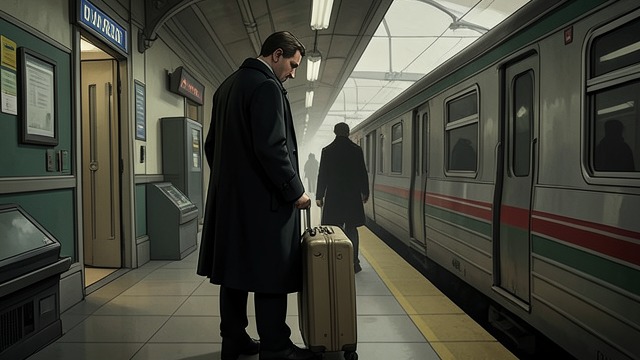
At Morioka, the suitcase, the dead passengers, and Minegishi’s collapse remain unresolved as Nanao leaves with Maria. The assigned work has failed to produce a neat handover or a clear account.
Later, Nanao reflects on the train and encounters Mr Suzuki again. The professional episode is over, but its relationships and memories remain part of ordinary life.
Before the Hayate leaves Tokyo
From Ueno through the encounter with the Hornet
At Morioka Station and two months later
