
Kimura’s Sobriety and Relapse Risk
Bullet TrainKimura’s struggle with alcohol moves from denial toward abstinence, while grief and danger continually test what sobriety means to him.
increasing Bearing strength in each event
 decreasing
Bearing strength in each eventdecreasingThe Water of Life
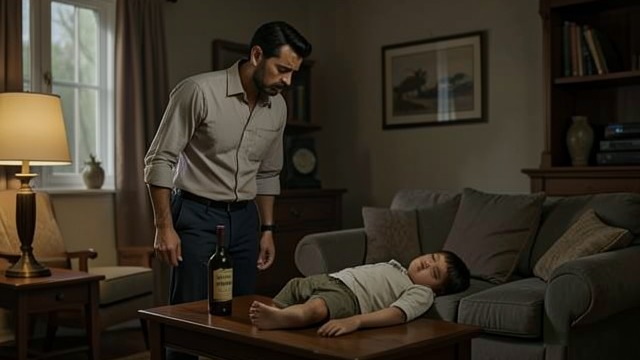
The Water of Life
Denial as a routine
Kimura drinks during work and family life, describing brandy as medicine and invoking its ancient history to defend his habit. His father warns that dependence cannot be managed by taking only a little.
Wataru notices the drinking, and Kimura’s excuses expose the distance between his love for his son and his daily choices. Alcohol remains both comfort and a source of shame.
A Lasting Abstinence
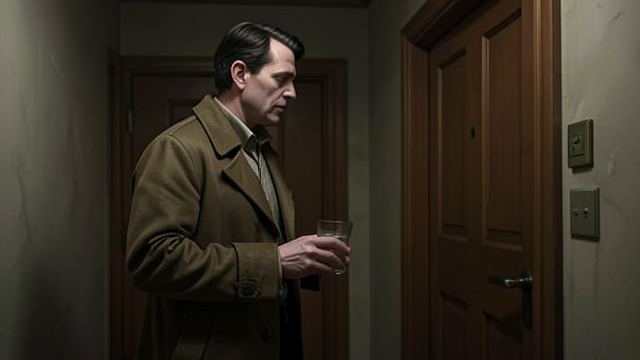
A Lasting Abstinence
Sobriety under grief
After Wataru falls and enters a coma, Kimura stops drinking. His father’s warning returns as a practical rule: one sip could restart the dependence.
Sobriety does not resolve Kimura’s grief or erase his past. It gives him a fragile sense of direction, which he carries onto the train as he tries to act for Wataru.
Temptation in the Gangway
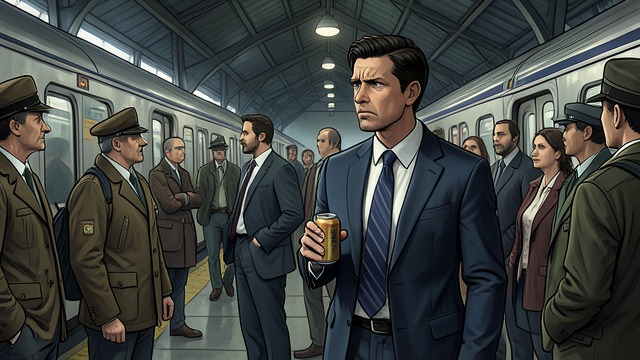
Temptation in the Gangway
Restraint under coercion
A passing beer trolley awakens Kimura’s awareness of his dependence, while the Prince’s taunts and threats push him toward anger and despair. Kimura insists that he has stopped drinking, but the old need remains part of his self-image.
His central struggle shifts from resisting alcohol to resisting the easier surrender of acting on rage. Protecting Wataru requires him to endure both forms of pressure.
Months before the train journey
After Wataru’s rooftop fall, before the train trip
During the northbound journey, before the final shooting
