
Marriage and Freedom
CEO's Beloved Honey GirlThis flow develops the novel’s central question of whether marriage can preserve autonomy rather than extinguish it.
increasing Bearing strength in each event
 decreasing
Bearing strength in each eventdecreasingMarriage as Escape
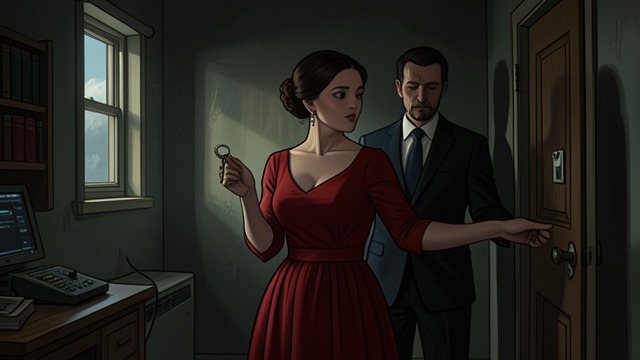
Escape Into a Cage
Immediate relief
Marriage rescues Su Xiangcheng from financial ruin and family pressure. It is initially experienced as an escape from one crisis.
New confinement
The same marriage places her under Lu Xun’s expectations. Freedom is exchanged rather than secured.
The Canary Image
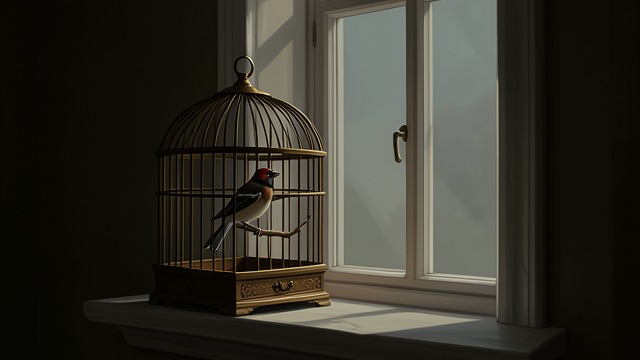
A Cage Cannot Hold Love
The metaphor
The image of a canary in a beautiful cage describes Su Qingrou’s confinement and, by extension, Su Xiangcheng’s fear of marriage.
The lesson
A comfortable home remains a prison if departure is impossible. The novel repeatedly tests whether protection can exist without freedom.
Leaving as Speech
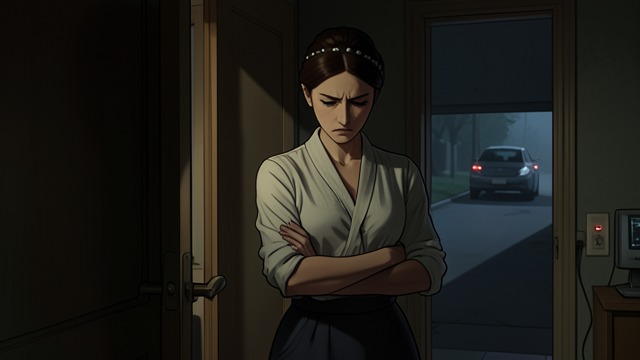
The Body Says No
Departure
Su Xiangcheng leaves without a formal divorce, using distance to express what she cannot safely say inside the marriage.
The cost
Her freedom nearly becomes fatal because illness and isolation follow. The narrative refuses to romanticize escape as simple liberation.
Return with Conditions
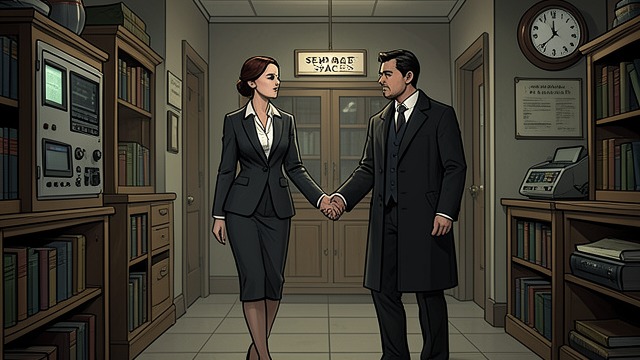
Reconciliation Without Erasure
Negotiation
Su Xiangcheng returns but continues to demand separate choices, professional work, and the right to criticize Lu Xun.
A new marriage
Lu Xun must learn that reconciliation is not ownership restored. The relationship survives by accepting that love cannot eliminate refusal.
A Shared Life

Freedom Inside Commitment
Chosen return
Su Xiangcheng begins working, visiting family, and returning to Lu Xun without being physically forced each time.
The unresolved ideal
Their marriage remains imperfect, but it becomes less a transaction and more an ongoing choice. Freedom is redefined as the ability to stay without being unable to leave.
at the beginning of the marriage
during Su Qingrou's imprisonment crisis
during Su Xiangcheng's flight from home
after Lu Xun takes her back
near the ending
