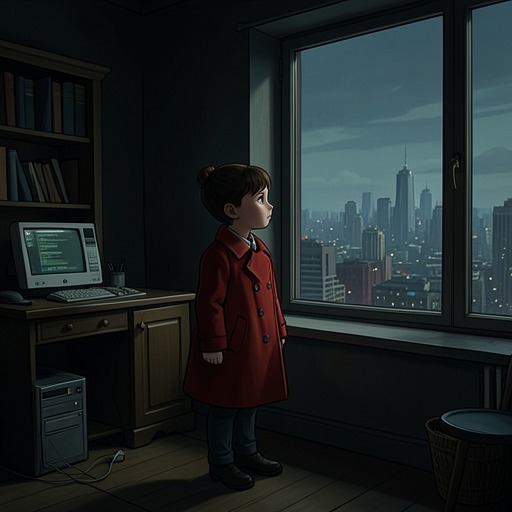
Lu Xun Is Kidnapped and Escapes in Childhood
CEO's Beloved Honey GirlLu Xun Is Kidnapped and Escapes in Childhood is not merely an isolated danger from Lu Xun’s past. It is a defining survival episode that leaves him physically resistant to drugs and emotionally alert to betrayal, coercion, and sudden loss. Recalled during an intimate conversation with Su Xiangwan, the kidnapping becomes a key to understanding why Lu Xun treats apparent vulnerability with suspicion and why protection, control, and fear remain tightly connected in his conduct.
The Kidnapping at Age Twelve
When Lu Xun was twelve, kidnappers forced him to ingest various medicines, and he nearly lost his life. The experience also made him resistant to drugs, turning a childhood ordeal into a lasting physical condition. His account is strikingly controlled: he looks directly at the pain of the past as though recounting someone else’s story, with an unwavering gaze. The emotional distance suggests not that the event has ceased to matter, but that its intensity has been contained through repetition and silence.
The kidnapping involved another child, a girl around Su Xiangwan’s age, who was captured with him and ultimately killed. Lu Xun identifies her as his first love at twelve, but the memory is inseparable from deception and mortal danger. He says that she later escaped, then describes himself as having been tricked by a crafty girl and nearly played to the point of death. The contradiction between the girl’s death in his earlier account and the later reference to her escape gives the recollection an unstable, emotionally fractured quality; what remains unmistakable is that her presence in the abduction became bound to Lu Xun’s first experience of love, betrayal, and the possibility of dying.
Memory, Disclosure, and Intimacy
Lu Xun reveals the kidnapping while speaking with Su Xiangwan, after dismissing the idea that he could easily be affected by drugs or surprise. He explains that such methods are ineffective against him because of the resistance created by the medicines used during the abduction. The disclosure changes the meaning of his apparent composure: his confidence is not simple fearlessness, but the practiced self-command of someone who has already survived an experience designed to strip him of control.
Su Xiangwan responds with concern rather than jealousy. Hearing that Lu Xun was so young when he nearly died, she feels sympathy for the child he had been. This response creates a rare movement from suspicion toward recognition. Lu Xun’s past is no longer only a secret that gives him power over the present; it becomes an object of care within the relationship. Yet his decision to kiss her and redirect the conversation toward unhappy things also shows his characteristic management of vulnerability. Affection offers connection, but it does not erase his impulse to close the wound once it has been exposed.
Trauma Replayed in the Present
The childhood abduction continues to echo through Lu Xun’s later behavior. When Su Xiangwan collapses at an elevator entrance after becoming feverish and physically weak, the immediate crisis activates his protective response. Before her fingertips reach the elevator button, she faints and falls to the ground, and Lu Xun reacts by arranging medical help while also threatening to destroy Hua Shuo’s studio because Hua Shuo will not be available to see him. The response combines care with aggression: danger to someone close to him produces urgent protection, but also an attempt to control every surrounding circumstance.
A similar pattern appears after Su Xiangwan admits that she is frightened. Lu Xun holds her and reassures her that he has been there all along. His comforting presence carries particular weight against the memory of being twelve, drugged, abducted, and nearly killed. The adult Lu Xun presents himself as the person who will remain when fear arrives, turning his own history of abandonment and helplessness into a promise of constant guardianship. At the same time, the intensity of that guardianship reflects the unresolved logic of the earlier event: safety must be secured through vigilance, proximity, and control.
Consequences and Narrative Significance
The kidnapping establishes a recurring contrast in Lu Xun’s characterization. He appears difficult to deceive and physically resistant to chemical manipulation, yet emotional memories remain capable of reaching him through intimacy, illness, and the threat of separation. His survival gives him practical strength, but it also leaves him carrying the dead or missing girl as part of his earliest understanding of love. The past therefore joins romance to danger before his adult relationships have even begun.
As a plot device, the episode functions as both backstory and explanation. It clarifies why Lu Xun can withstand drugs, why he reacts sharply to attempts to manipulate him, and why his protective behavior can become severe. More importantly, it prevents his control from being read as effortless confidence. Beneath the unwavering gaze is a survivor who learned early that trust could be fatal, that affection could coexist with betrayal, and that safety could vanish without warning. His later tenderness toward Su Xiangwan is consequently double-edged: it is genuine care, but it is also the adult form of a vow made against the helplessness of childhood.