
The Meaning of Home
CEO's Beloved Honey GirlThis flow traces how residences shift from sites of danger and secrecy into contested symbols of belonging.
increasing Bearing strength in each event
 decreasing
Bearing strength in each eventdecreasingThe Su Family Home

Home as Memory
Shared beginnings
The Su family residence holds the sisters’ childhood, their grandfather’s care, and the traces of their absent parents.
Emotional refuge
Returning there gives Su Xiangcheng a sense of identity that marriage cannot replace. Home is first defined by memory rather than comfort.
The Scenic Villa
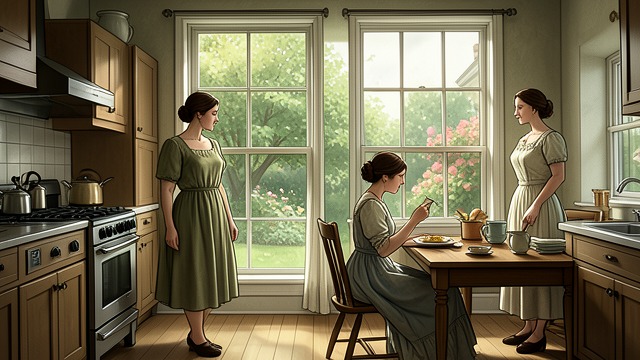
A Purchased Household
Luxury without belonging
The Jingshan villa is beautiful and carefully managed, but Su Xiangcheng initially experiences it as a place bought by Lu Xun for a purchased wife.
Domestic intimacy
Through illness, cooking, arguments, and shared sleep, the villa slowly gains traces of ordinary life. Home begins where routine becomes mutual rather than imposed.
The Beautiful Cage

Home as Prison
The manor
Lin Yanche’s estate contains luxury, guards, and private rooms, yet Su Qingrou cannot leave. The setting exposes the violence hidden by wealth.
A universal symbol
The manor becomes the clearest version of the novel’s warning that comfort cannot compensate for lost agency.
The Recreated Courtyard
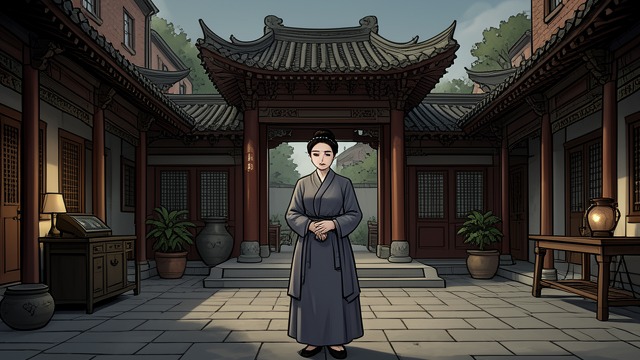
A Home Designed for Her
Lu Xun's gesture
Lu Xun buys a property in the Western Suburbs and reproduces elements of the Su family courtyard.
Intent and danger
The gesture is loving because he has observed her preferences, but it is also controlling because he builds a future before she fully agrees to it.
Home as Choice

Belonging Without Captivity
Return
Su Xiangcheng repeatedly leaves and returns, gradually making the decision herself rather than simply being moved by Lu Xun.
A changed meaning
Home is no longer a building owned by one family. It becomes a place where care, boundaries, and voluntary presence can coexist.
during Su Xiangcheng's childhood
after the marriage
during Su Qingrou's imprisonment
after Su Xiangcheng's separation
near the ending
