
The Stray Cat and the Theme of Need
Call Me YoursThis perspective traces how small acts of care reveal the novel’s recurring concern with people who want to be needed without being reduced to their usefulness.
increasing Bearing strength in each event
 decreasing
Bearing strength in each eventdecreasingA Solitary Man
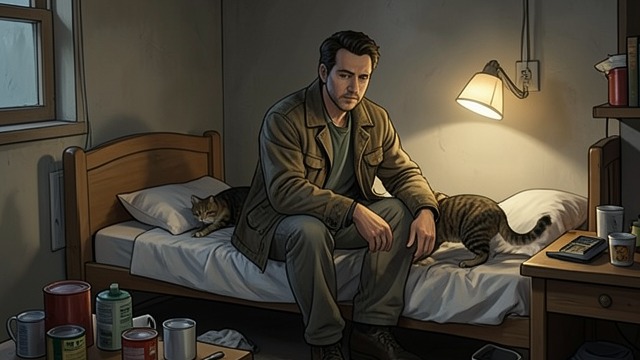
A Solitary Man
Life on the margins
Chris returns to a cramped apartment, short on food and basic comforts. His poverty isolates him even within a crowded neighborhood.
A need for connection
He longs for love but believes that his circumstances make him a poor prospect. The cat that follows him becomes one of his few companions.
His loneliness is practical as well as emotional: he lacks both material stability and dependable family.
A Small Act Given Freely
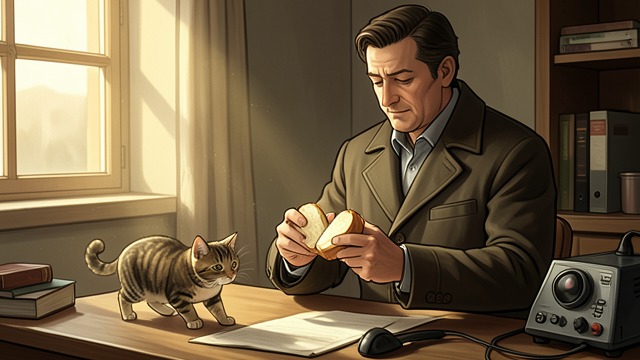
A Small Act Given Freely
Limited resources
Chris has only a sandwich for dinner, yet he gives half to the stray cat that approaches him.
Worth measured differently
The choice shows generosity without applause or advantage. Chris does not have wealth to offer, but he can still make another life less hungry.
This moment quietly establishes the moral perspective that recurs when he protects Adi.
A Workplace Family
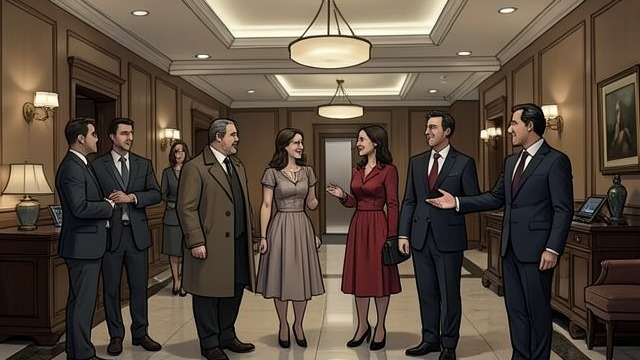
A Workplace Family
Everyday recognition
Chris’s colleagues greet him, defend him against Blake’s insult, and encourage him when he is tired. Their attention gives him a sense of belonging.
Need answered imperfectly
The hotel cannot solve his financial hardship, but its staff make him feel seen and valued.
The contrast suggests that human connection can mitigate hardship without magically eliminating it.
A Child’s Drawing
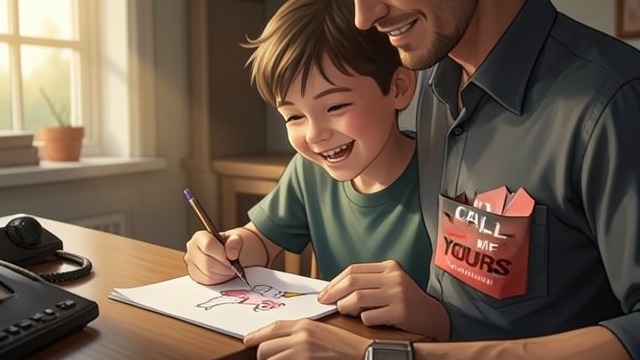
A Child’s Drawing
A gift received
Lily gives Chris a drawing of a unicorn. He carefully folds it and places it in his shirt pocket, treating it as a precious gift.
The need to matter
The gesture counters Blake’s public dismissal by showing that a child values Chris’s presence and kindness.
The drawing represents the kind of recognition Don also craves, though Chris receives it with gratitude rather than resentment.
The Need Behind Don’s Anger
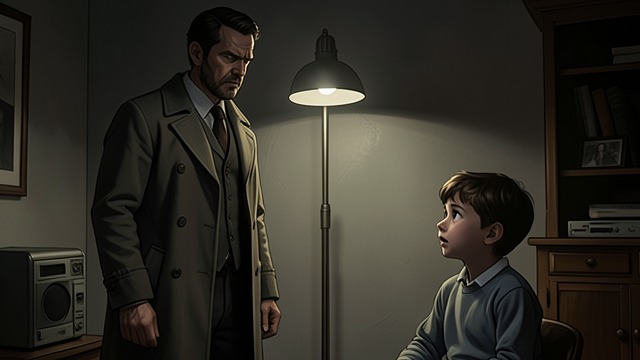
The Need Behind Don’s Anger
Recognition demanded
Don says he helped the others but was ignored until they needed him. He claims that being used without gratitude made him hard and resentful.
Care must be reciprocal
His complaint echoes the novel’s repeated need to be seen, but his violence shows that unmet need can become coercion.
The story distinguishes understanding a person’s hurt from excusing the harm that person causes.
Before Chris answers Kayla’s advertisement
The evening Chris shares his sandwich
During Chris’s first year at the hotel
The morning after Blake humiliates Chris
During Don’s therapy confrontation
