
Paquette and Friar Giroflée’s Misery
CandideThis thread traces how Paquette and Friar Giroflée’s outward cheer conceals coercion, dissatisfaction, and the instability of attempted escape.
increasing Bearing strength in each event
 decreasing
Bearing strength in each eventdecreasingThe Castle Affair
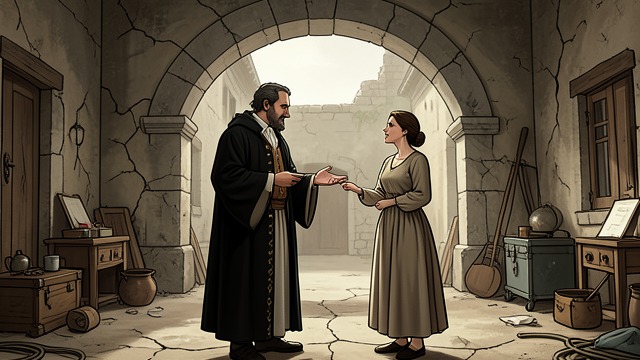
The Castle Affair
Pangloss and Paquette
Candide discovers Pangloss giving Paquette a lesson in experimental natural philosophy. The scene stirs Cunegonde’s curiosity and contributes to the chain of events that brings Candide’s kiss and expulsion.
Consequences beyond the castle
Paquette later says that an affair with a Grey Friar led to serious illness and her departure from the estate. Sexual conduct, which Pangloss theorizes about, produces lasting harm in the lives of those involved.
A Disease’s Chain
A Disease’s Chain
Illness travels through relationships
Pangloss contracts syphilis and describes a chain of transmission that links Paquette with a succession of men. Paquette’s later account likewise reveals that illness shaped her life.
A grotesque genealogy
The chain becomes material for Pangloss’s argument that suffering is necessary to the world. Its human consequences make that explanation an especially stark instance of optimism turning harm into a condition of supposed good.
Paquette’s Account
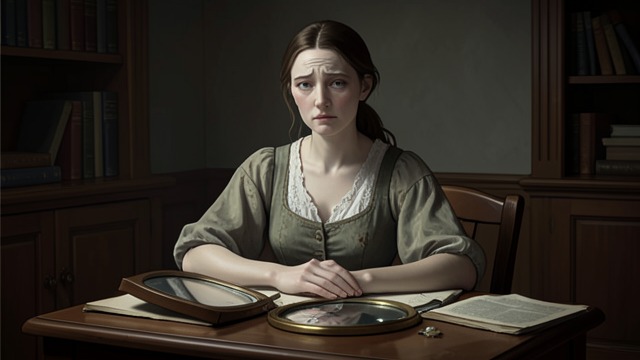
Paquette’s Account
Misery behind gaiety
Candide sees Paquette apparently cheerful beside Friar Giroflée, but she recounts abuse, imprisonment, and repeated dependence on men. She describes her work as degrading and insecure.
Appearance fails as evidence
Her story confirms Martin’s warning that outward happiness can conceal private suffering. Candide’s earlier judgment, based on a brief public scene, proves inadequate.
The Friar’s Convent
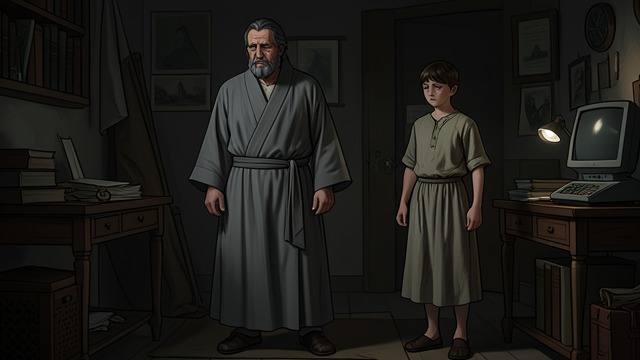
The Friar’s Convent
Vows imposed by family
Friar Giroflée says that his parents forced him into the Theatine Order to benefit his elder brother. He resents the convent and describes envy and conflict within it.
A second hidden unhappiness
Although he seems vigorous and accompanies Paquette, Giroflée says he has often wanted to flee religious life. His testimony broadens the pattern of misery concealed beneath public roles.
Money Spent, Trouble Returns
Money Spent, Trouble Returns
Temporary relief collapses
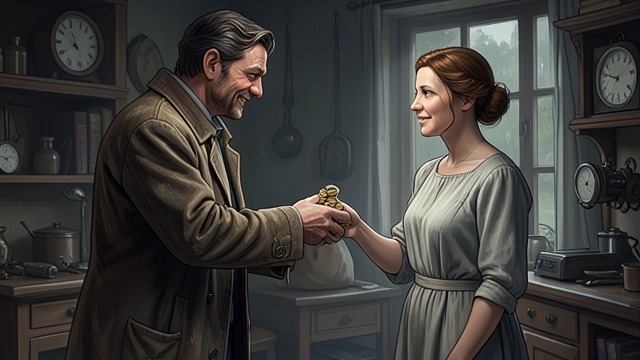
Candide gives Paquette and Friar Giroflée money, hoping that it will make them happy. They squander it, separate, reconcile, quarrel, and eventually face imprisonment and renewed hardship.
Charity’s limits
Martin had predicted that money alone would not resolve their troubles. Their return to misery does not prove that help is useless, but it shows that a gift cannot repair the conditions driving their lives.
Before Candide’s expulsion
After Paquette leaves the castle
During Candide’s stay in Venice
At the supper in Venice
After the group settles near Constantinople
