
Pococurante’s Discontent
CandideThis thread uses Pococurante’s privileged dissatisfaction to test whether possession, taste, or criticism can secure lasting pleasure.
increasing Bearing strength in each event
 decreasing
Bearing strength in each eventdecreasingA Polite Welcome

A Polite Welcome
Wealth without warmth
Candide and Martin visit Pococurante at his richly appointed palace. The senator receives them with polite indifference, already establishing distance between material comfort and emotional satisfaction.
Candide’s expectation
Candide is curious about a man reputed to live without uneasiness. Martin agrees to visit, but does not share Candide’s expectation that wealth will reveal happiness.
Beauty Rejected
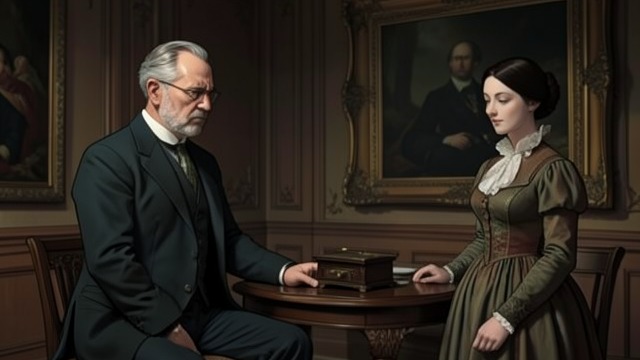
Beauty Rejected
Possessions lose their appeal
Pococurante dismisses the paintings he bought, the music performed for him, and the young women serving in his household. Each pleasure has become tiresome through repetition or dissatisfaction.
Privilege without delight
His abundance frees him from many material needs but does not make him content. Candide encounters a form of discontent radically different from the poverty and coercion he has witnessed elsewhere.
The Library’s Rejections

The Library’s Rejections
Canon under scrutiny
Pococurante criticizes Homer, Virgil, Horace, Cicero, and other celebrated writers according to his own taste. He rejects the idea that reputation obliges him to admire a work.
Judgment as performance
Candide is impressed by the senator’s independence, while Martin notices the pleasure he takes in rejecting nearly everything. The scene leaves open whether refusal is discernment or another form of dissatisfaction.
Candide’s Admiration

Candide’s Admiration
A mistaken conclusion
Candide calls Pococurante superior because nothing seems able to please him. Martin counters that the senator is disgusted with what he owns and compares indiscriminate rejection to an appetite unable to accept food.
Pleasure in having none
Martin’s remark reframes the visit: criticism may provide its own small satisfaction while leaving the critic without durable enjoyment. Candide is not fully persuaded, but his model of happiness has been unsettled.
An Unresolved Example
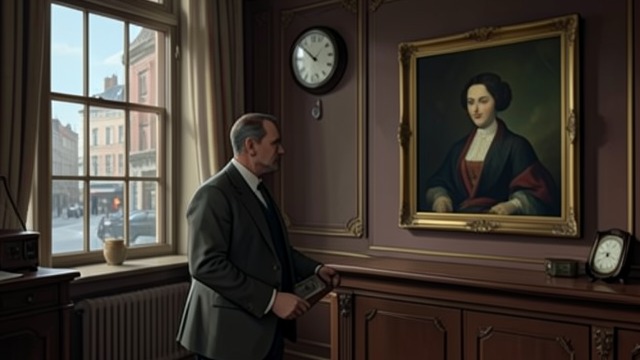
An Unresolved Example
No simple lesson
Candide does not adopt Pococurante’s taste or Martin’s verdict outright. He returns to longing for Cunegonde, still imagining reunion as the answer to dissatisfaction.
The novel’s broader test
Pococurante’s wealth shows that comfort cannot guarantee contentment, while his habitual contempt is not offered as a better solution. The episode prepares the story’s turn toward modest, practical labor.
During Candide and Martin’s stay near Venice
At the beginning of the palace visit
During the library conversation
At the end of the palace visit
After the companions leave the palace
