
The Six Deposed Monarchs
CandideThis thread uses the meeting of six displaced rulers to expose the instability of rank and the scale of Candide’s own perceived misfortune.
increasing Bearing strength in each event
 decreasing
Bearing strength in each eventdecreasingA Carnival Invitation
A Carnival Invitation
A summons at supper
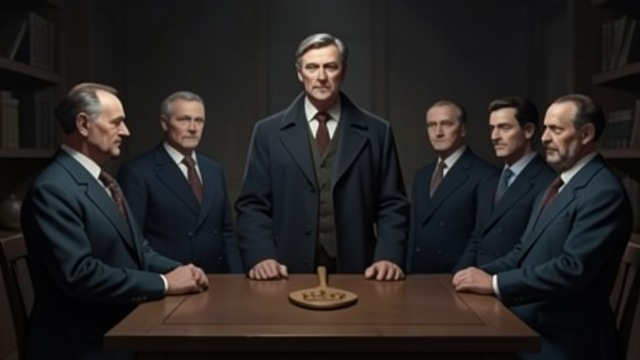
Cacambo appears in Venice and tells Candide to prepare to leave, but Cunegonde is not with him. Candide joins a supper where six strangers are attended as kings.
Status concealed in travel
Their servants address each guest as Majesty, turning an ordinary inn into a meeting place for displaced rulers. The unexpected scene interrupts Candide’s private urgency with a wider history of political reversals.
The Sultan in Exile
The Sultan in Exile
Power changed hands
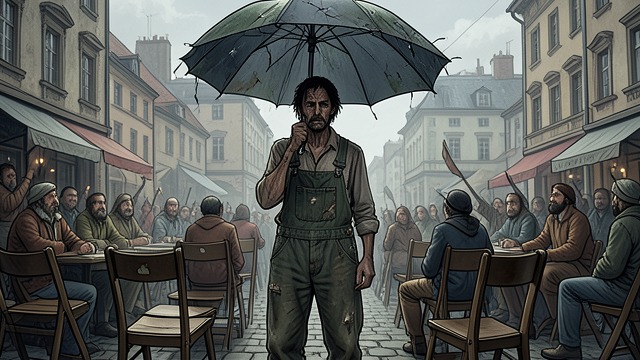
Achmet III explains that he ruled as Grand Sultan, was dethroned after earlier political reversals, and now travels under limited permission from his successor.
The precarious throne
His presence illustrates how the highest office offers no lasting protection. Candide, who has lost fortune and hopes, begins comparing his hardships with those of rulers.
Kings Without Kingdoms
Kings Without Kingdoms
Different routes to dispossession
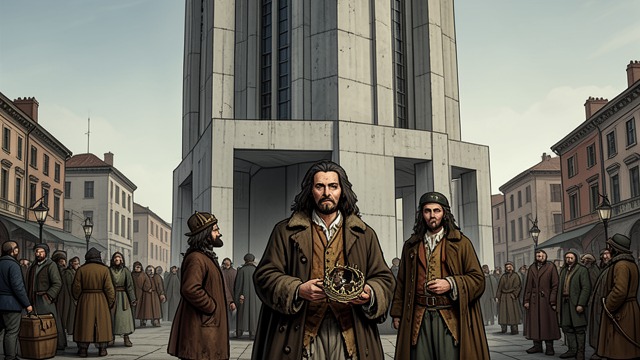
Ivan, Charles Edward, and two Polish kings describe childhood imprisonment, failed claims, military defeat, and changes of fortune. Each has arrived in Venice without the power once associated with a crown.
The title persists
They still call themselves kings, but their accounts emphasize dependence and loss. Political identity survives even when territorial authority has vanished.
Theodore’s Smaller Fall

Theodore’s Smaller Fall
A king in poverty
Theodore of Corsica describes having held a royal title, minted money, and employed ministers before ending up nearly destitute and imprisoned in London.
Candide’s gift
The other rulers offer a modest contribution, while Candide gives Theodore a valuable diamond. Their unequal resources distinguish the traveling adventurer from the monarchs without restoring anyone’s former power.
A Changed Measure of Misfortune

A Changed Measure of Misfortune
Candide compares himself
Candide asks Martin which of them is most to be pitied. Martin refuses to rank suffering without knowing each person’s inner experience and points out that many people are worse off than the rulers.
Perspective without a verdict
The encounter broadens Candide’s understanding but offers no final scale for pain. He continues toward Cunegonde, recognizing that other lives carry losses as real as his own.
During the Carnival at Venice
During the supper in Venice
As the six guests introduce themselves
Near the end of the royal introductions
After the supper, on the voyage toward Constantinople
