
The Enslaved Man and the Cost of Sugar
CandideThis thread traces how Candide’s encounter with an enslaved worker turns distant European consumption into a visible human cost and breaks his remaining confidence in optimism.
increasing Bearing strength in each event
 decreasing
Bearing strength in each eventdecreasingArrival in Surinam
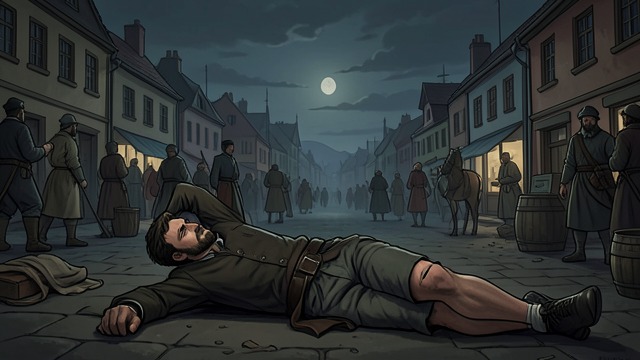
Arrival in Surinam
A fortune reduced
Candide and Cacambo arrive in Surinam with only two of the many Red sheep they took from El Dorado. Candide still believes they are near the end of their troubles.
A jarring sight
At the edge of the town they see an enslaved man lying on the ground with a missing hand and leg. The image interrupts their expectation that wealth has secured a happy future.
The Worker’s Injuries
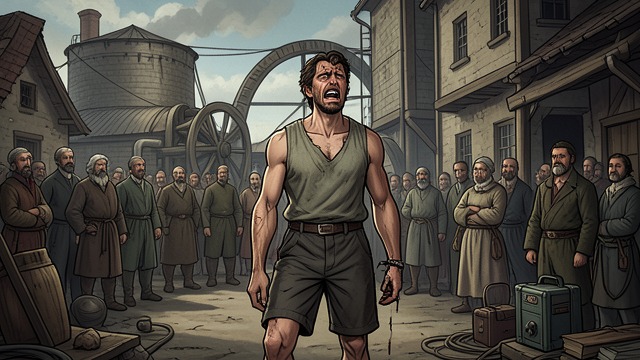
The Worker’s Injuries
Violence built into production
The man explains that a mill crushed his hand and that his leg was cut off after he tried to escape. He describes these mutilations as routine costs imposed on enslaved workers.
A system made visible
His injuries are not an isolated accident but part of the plantation’s discipline. Candide hears a human account of violence that European consumers rarely have to witness.
Sugar’s Hidden Price
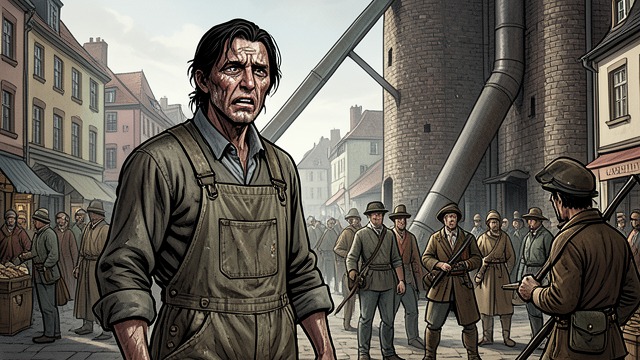
Sugar’s Hidden Price
Consumption linked to coercion
The enslaved man says that this is the price at which Europeans eat sugar. His account links a familiar luxury to the bodily harm that makes its production profitable.
Religious language contradicted
Dutch religious teachers proclaim common descent from Adam, yet the worker is treated as property by a society that professes Christianity. The contradiction exposes moral claims detached from actual conduct.
Candide Rejects the Formula
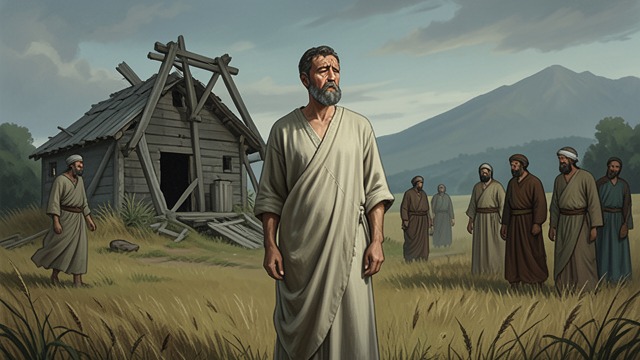
Candide Rejects the Formula
A teacher’s system falls short
Candide cries out that Pangloss could not have anticipated this abomination. He calls it the end of optimism and defines optimism as the madness of saying all is well when it is not.
Grief replaces abstraction
Candide weeps before entering Surinam. His response does not solve the injustice, but it marks a decisive change: he no longer treats suffering as evidence that the world is arranged for the best.
A Journey Forward, Not a Cure
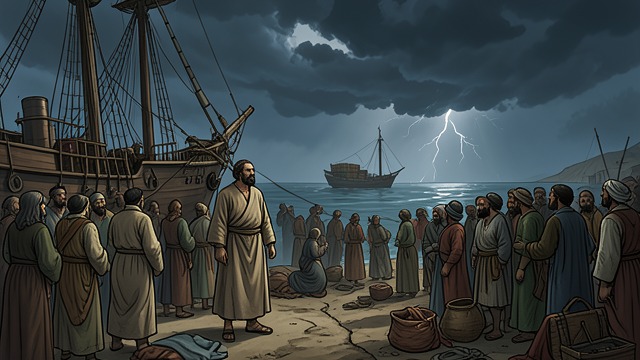
A Journey Forward, Not a Cure
Continued dependence on money
Candide seeks passage and negotiates with merchants, but money brings deception rather than dependable justice. A skipper later steals his ship and cargo.
The encounter’s lasting force
Although Candide resumes travel and continues searching for Cunegonde, the enslaved man’s testimony remains a decisive challenge to Pangloss’s doctrine. Material comfort and philosophical language cannot erase the violence on which the sugar trade depends.
After the long journey from El Dorado
At Candide’s first meeting with the enslaved man
During the man’s explanation of his enslavement
Immediately after the encounter
After Candide enters Surinam
