
The Unfinished Problem of Evil
CandideThis thread traces how disasters and human cruelty accumulate without yielding a single adequate explanation for suffering.
increasing Bearing strength in each event
 decreasing
Bearing strength in each eventdecreasingJames Drowns
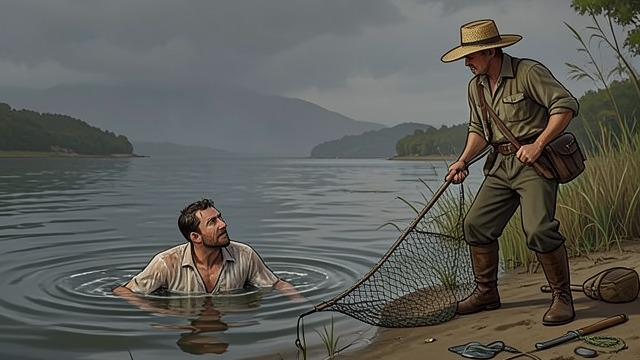
James Drowns
Generosity answered by loss
James rescues the sailor who struck him, but the rescue effort costs James his life. Pangloss claims that the bay was made for this drowning.
An ethical imbalance
The event makes suffering difficult to reconcile with deserved outcomes: the helpful man dies while the violent sailor survives. Candide witnesses the imbalance before the earthquake adds another scale of loss.
Lisbon in Ruins
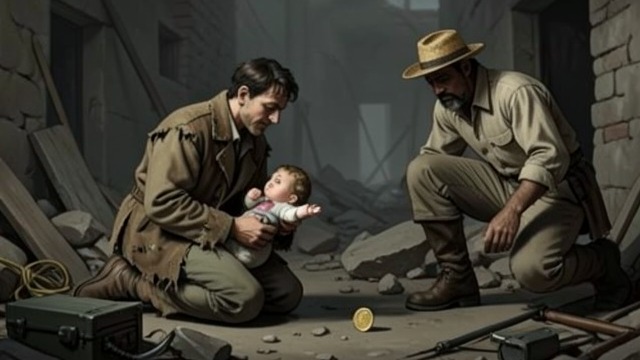
Lisbon in Ruins
Natural catastrophe
The earthquake kills residents indiscriminately, destroys homes, and leaves Candide injured. Survivors mourn among the ruins while the sailor searches for loot.
No moral sorting
The disaster does not distinguish the generous from the cruel or the powerful from the vulnerable. Its scale intensifies the question of whether an orderly explanation can account for suffering without erasing its reality.
War Across the Atlantic
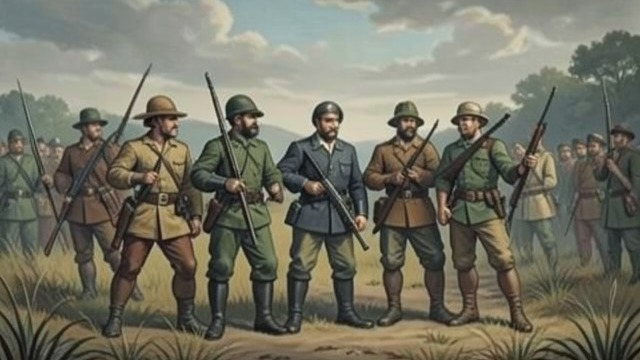
War Across the Atlantic
Human-made calamity
Candide sees colonial conflict and travels through territories where armed groups, political authorities, and religious orders compete for power. Violence repeatedly reshapes ordinary lives.
A different kind of cause
Unlike an earthquake, war is made and maintained by human decisions. The narrative’s repeated battles make responsibility visible even when the participants claim law, faith, or necessity.
The Sugar Plantation
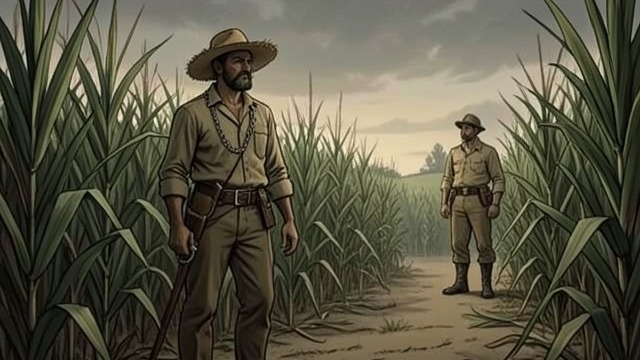
The Sugar Plantation
Suffering organized for profit
The enslaved man explains that his injuries follow plantation rules applied to workers who are crushed by machinery or try to flee. European consumption is connected to the system.
Explanation cannot absolve
Candide’s response rejects the idea that these harms are simply necessary parts of a better whole. The encounter makes responsibility and economic benefit central to the problem of evil.
The Dervish’s Silence
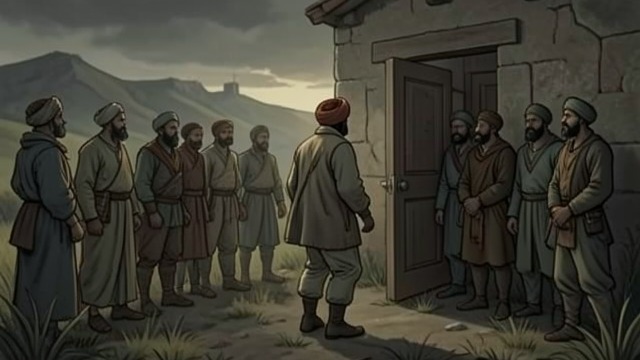
The Dervish’s Silence
A question refused
Pangloss asks why humans were made, and Candide points to the world’s terrible evil. The Dervish declines to treat these questions as his business and closes the door on further discussion.
No final theodicy
The encounter leaves the problem unresolved rather than supplying a definitive answer. The companions return to the farm, where practical work offers a response to conditions that argument has not changed.
During the storm near Lisbon
During the 1755 Lisbon earthquake
During Candide’s journey through the Americas
After Candide reaches Surinam
Near the end, during the visit to the Dervish
