
Pangloss’s Unshaken System
CandideThis thread follows Pangloss as his optimism survives bodily suffering, execution, enslavement, and even the practical conclusion of the story.
increasing Bearing strength in each event
 decreasing
Bearing strength in each eventdecreasingThe Household Oracle
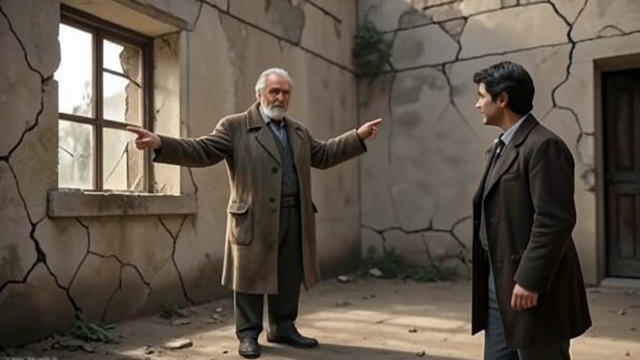
The Household Oracle
A universal formula
Pangloss teaches metaphysical optimism, claiming that every feature of the world serves the best possible end. He uses familiar objects and the Baron’s estate as evidence.
Influence on Candide
Candide accepts the teaching as a comprehensive guide to life. Pangloss’s certainty gives the young pupil a ready explanation for events he has not yet experienced.
A Diseased Philosopher
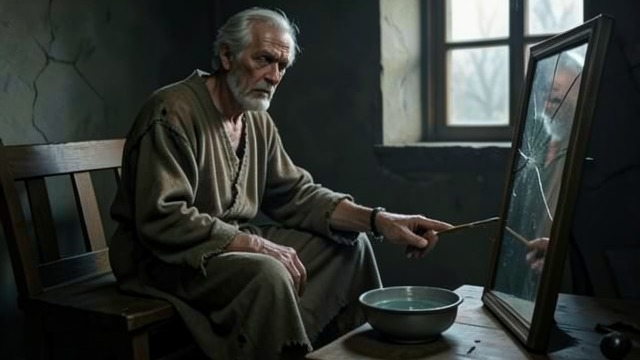
A Diseased Philosopher
Consequences of an affair
Candide finds Pangloss impoverished and gravely ill. Pangloss explains that he contracted syphilis through a chain of sexual encounters that reaches back to Columbus’s voyages.
Suffering rationalized
Even while describing illness and loss, he calls them necessary ingredients in the best of worlds. James the Anabaptist pays for his treatment, allowing Pangloss to recover but not escape lasting injury.
Execution in Lisbon
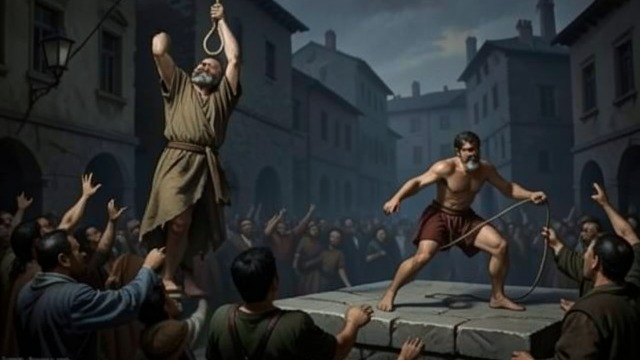
Execution in Lisbon
Punishment by ritual
Authorities arrest Pangloss after the earthquake and condemn him at an auto-da-fé. He is hanged, while Candide is whipped, under the claim that ritual punishment will prevent further disasters.
Doctrine meets catastrophe
The ceremony fails to stop another tremor. Pangloss’s public execution makes the gap between confident systems and actual events impossible for Candide to ignore.
Return from the Gallows
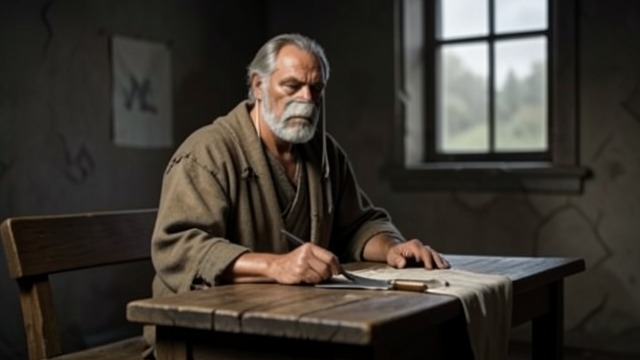
Return from the Gallows
A narrow escape
Pangloss recounts that heavy rain prevented his intended burning and that a faulty hanging left him alive. A surgeon’s attempted dissection nearly killed him, but he recovered and eventually ended up rowing in a galley.
Survival without revision
His improbable return turns death into another episode in his continuing argument. He describes the accidents that saved him without abandoning the system that supposedly explains them.
The Last Defense
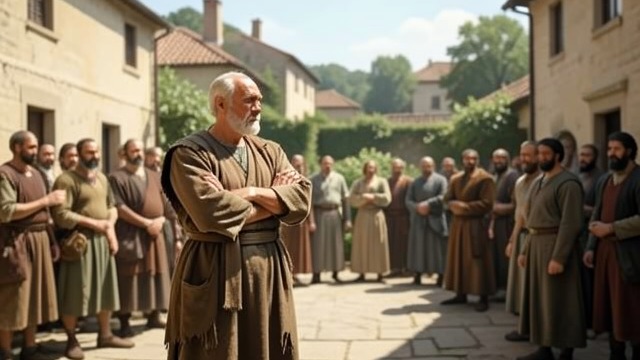
The Last Defense
A doctrine outliving belief
Pangloss admits that he has suffered terribly, but insists that Leibniz cannot be wrong. He continues to defend pre-established harmony even as the companions’ lives reveal no reliable harmony.
Practical work displaces debate
When Candide says they must cultivate their garden, Pangloss supplies a retrospective chain of causes. His argument remains available, but it no longer decides how the group lives.
At the beginning, in the Castle of Thunder-ten-Tronckh
After the castle is destroyed
After the Lisbon earthquake
Near the end, aboard a Turkish galley
At the end, during the farm’s philosophical disputes
