
The Portrait of Mircalla Karnstein
CarmillaExplores how the discovery of a centuries-old portrait of Carmilla's vampire self sets off a chain of revelations linking the past to the present.
increasing Bearing strength in each event
 decreasing
Bearing strength in each eventdecreasingThe Picture Cleaner Arrives
A Traveler from Gratz
The Unpacking of Cases
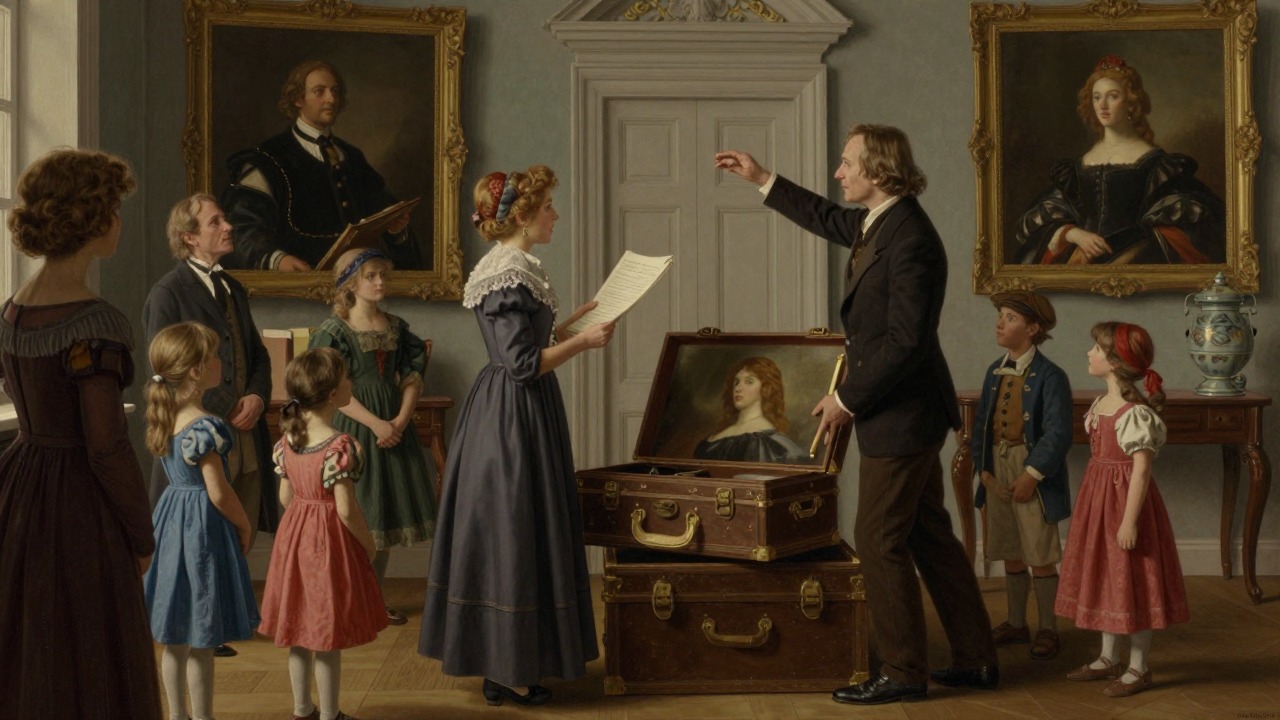
A messenger from Gratz brings two large packing cases of restored paintings to the schloss. The family gathers in the hall to watch the unpacking. Laura's father reads from a list as the artist reveals each portrait. The atmosphere is one of anticipation and curiosity, a break from the usual solitude.
A Family History
The paintings are mostly portraits of Laura's mother's Hungarian ancestors. They have been obscured by age and smoke, and the restoration brings them to life. The unveiling of each picture is a small event, but one among them will prove extraordinary.
The Portrait of Marcia Karnstein
A Striking Resemblance
The Artist's Pride
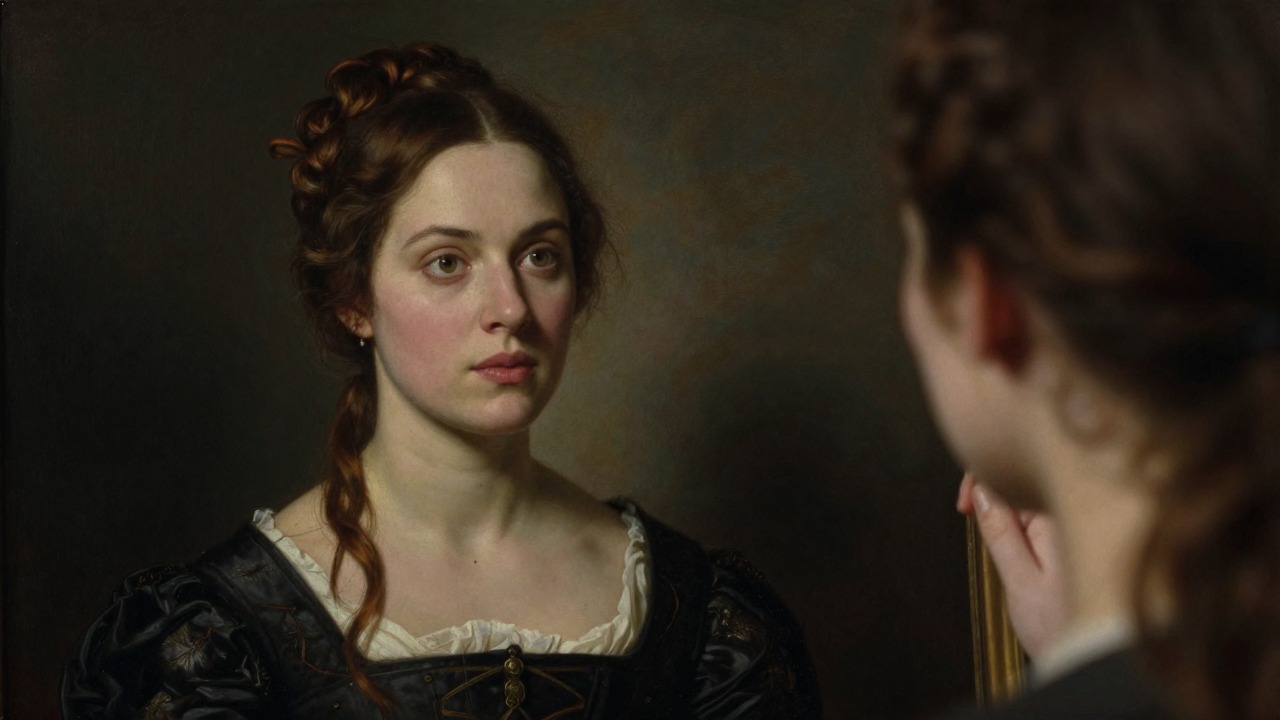
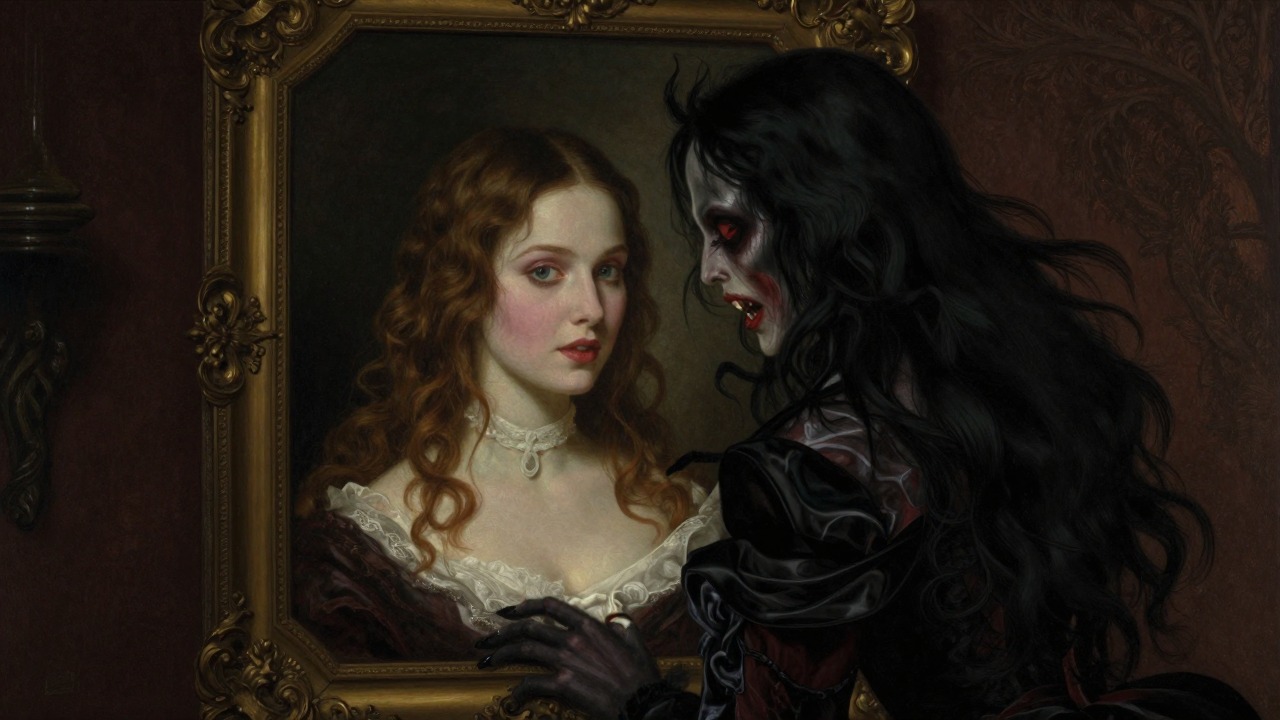
The artist presents a small, nearly square portrait of a woman named Marcia Karnstein, dated 1698. Laura is astonished to see the living image of Carmilla—the same face, the same expression, even the mole on her throat. The portrait is startlingly lifelike, as if the subject might speak.
Laura's Exclamation
Laura calls out that it is a miracle, a perfect likeness of Carmilla. Her father agrees but seems distracted, more interested in discussing the artist's work. Laura insists on hanging the portrait in her own room, not realizing that she is bringing a reminder of the vampire closer to her bed.
Carmilla's Languid Response
A Disinterested Gaze
Carmilla's Reaction
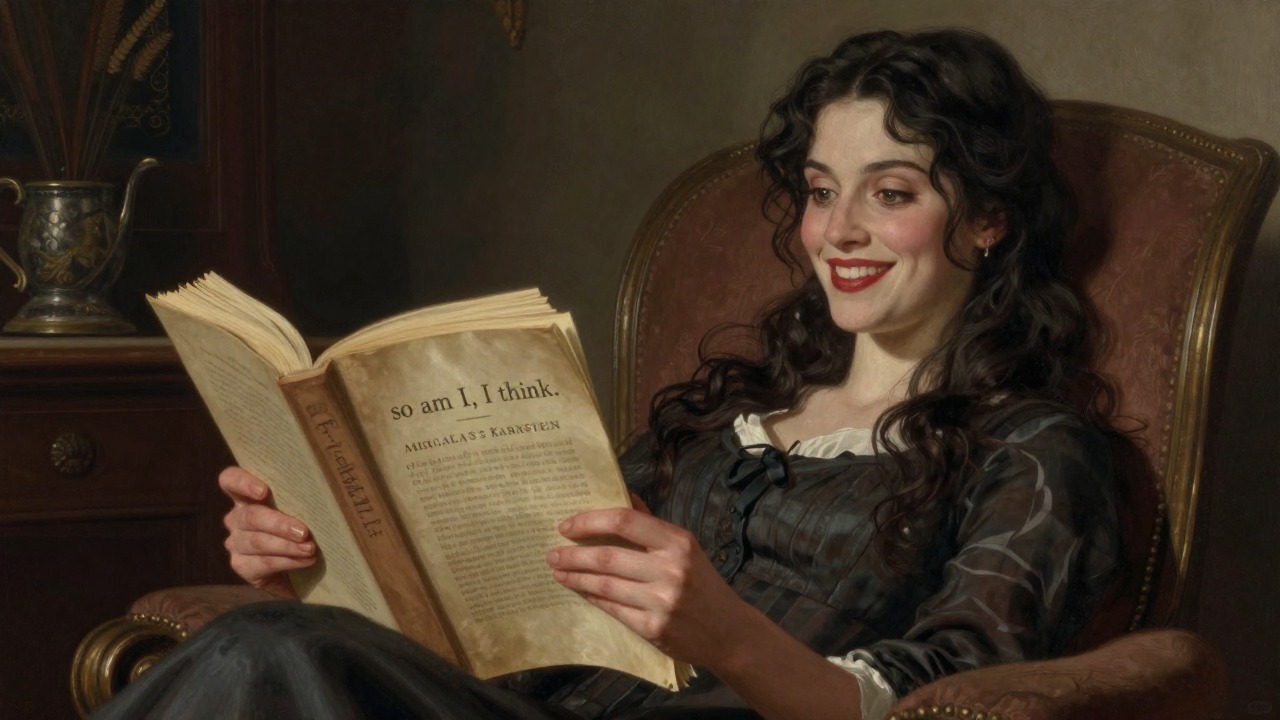
Carmilla ignores Laura's excitement, leaning back in her seat with a dreamy smile. When Laura reads the name as Mircalla Countess Karnstein and mentions her own descent from the Karnsteins, Carmilla only says, "so am I, I think." Her lack of surprise or curiosity is suspicious, as if she already knows the face.
A Moonlit Walk
Carmilla suggests a walk in the moonlight, as if to divert attention from the portrait. The two women go out, arm in arm, and Carmilla speaks of love and death. The portrait, meanwhile, hangs in Laura's room, a silent witness to the growing intimacy and danger.
A Link to the Past
The Portrait's Significance
General Spielsdorf's Interest
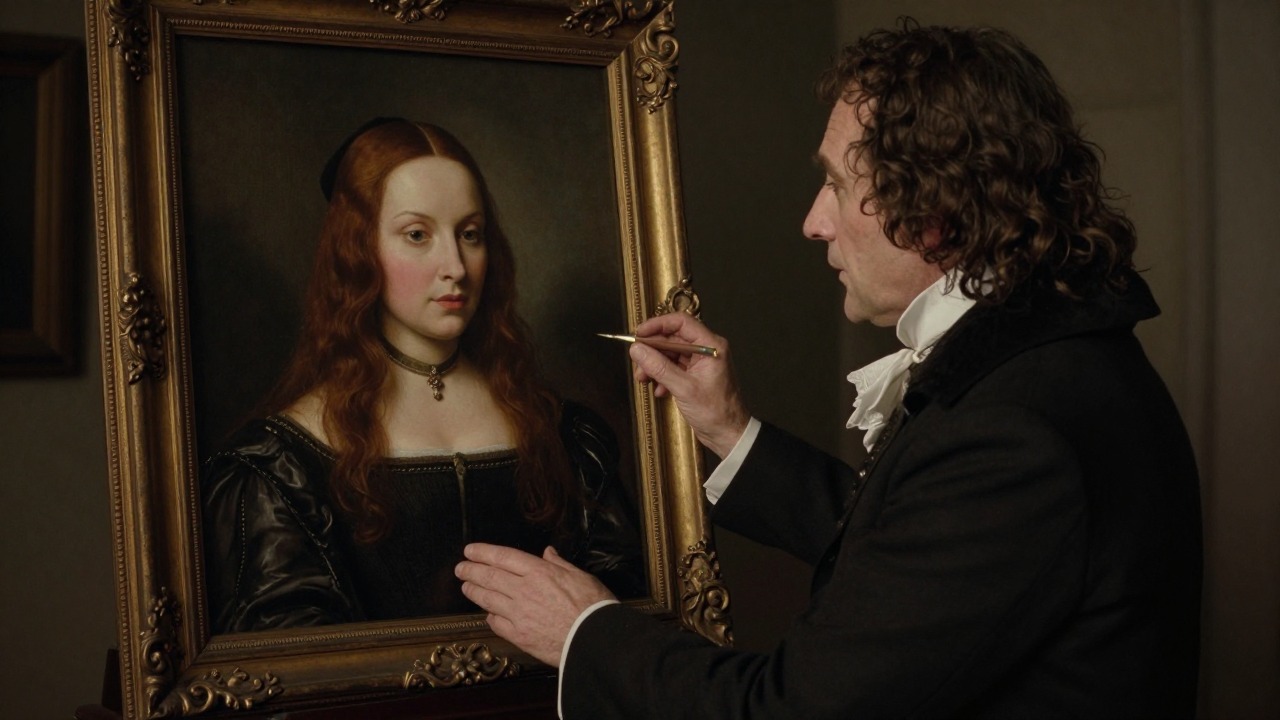
When Laura's father mentions the portrait of Mircalla, General Spielsdorf is eager to see it but says he believes he has already seen the original. This remark connects the portrait to the vampire he is hunting. The portrait is not just a likeness; it is a historical record of the undead.
The Karnstein Legacy
The portrait, along with the ruins of Karnstein, points to the family's dark history. The Countess Mircalla, the vampire, is now linked to both Laura's family and the General's tragedy. The portrait becomes a piece of evidence in the case against Carmilla.
The Portrait as a Token
A Reminder of Horror
Laura's Ambiguous Feelings
After the events, the portrait remains in the schloss. Laura's memories of Carmilla are split between the beautiful girl and the writhing fiend. The portrait embodies that duality—an image of beauty that hides a monstrous truth. Laura never mentions removing it, suggesting a lingering attachment to the memory of her friend.
The Enduring Image
The portrait outlasts the vampire's physical destruction. It serves as a permanent reminder of the supernatural encounter and the ambiguous emotions that Laura still feels. The story closes with Laura's reverie, where she imagines hearing Carmilla's light step at the door.
evening, a few days after Carmilla's arrival
during the unpacking
immediately after the portrait is revealed
later, during the trip to Karnstein
after the vampire's destruction
