
Athanasia’s Search in Arcadia
Cartes Postales from GreeceThis thread follows Athanasia’s attempt to discover her father’s history and the hostile reality behind her idealized idea of Arcadia.
increasing Bearing strength in each event
 decreasing
Bearing strength in each eventdecreasingQuestions After Her Mother’s Death
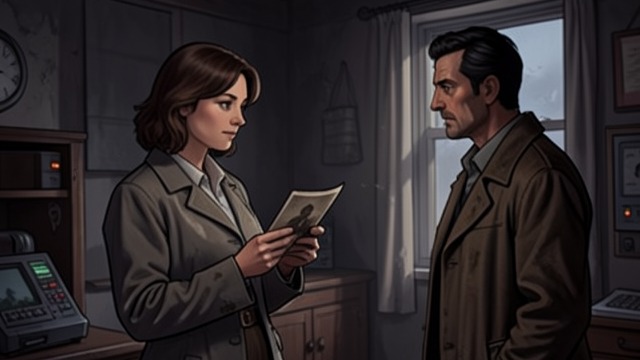
Questions After Her Mother’s Death
A father erased from the home
After her mother dies, Athanasia finds no wedding photograph, marriage certificate, or letter bearing both parents’ names. Her father, Grigoris Malavas, died when she was two.
A fragment of family history
Her mother had said only that Grigoris’s brother did what was necessary. Athanasia knows she has an uncle but not whether he is alive or what the family story contains.
The absence of records turns a visit to her father’s village into a search for both place and identity.
Journey into the Mountains
Journey into the Mountains
Beauty seems to confirm the myth
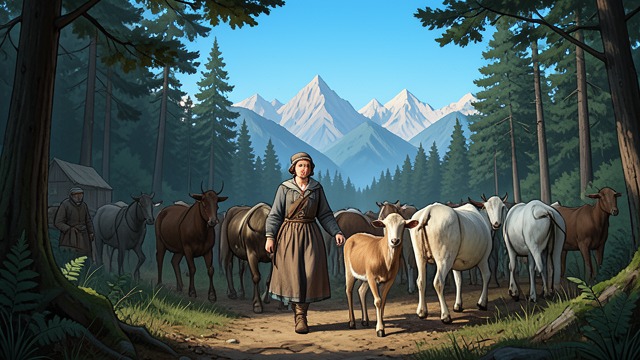
Athanasia drives into Arcadia, where mountains, forests, waterfalls, and clear air make the landscape seem almost ideal. She wonders whether the region deserves its reputation as a paradise.
Nature’s indifference
A shepherdess drags a newly born kid beside the road, while its mother continues with the herd. The scene exposes a harshness beneath the pastoral beauty.
The journey begins to test the difference between an attractive landscape and a humane society.
The Village Café
The Village Café
Recognition without welcome
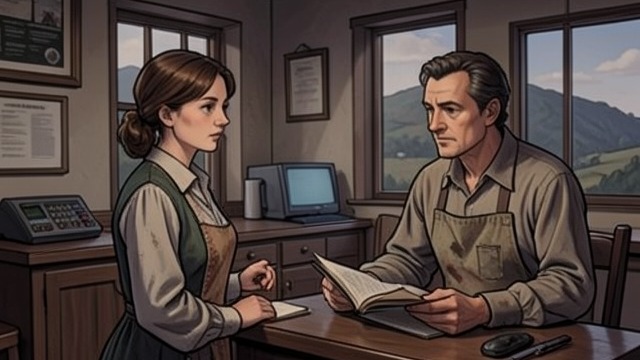
Athanasia finds an almost empty village and enters the only open cafe. Giannis Malavas tells her that many people share her surname, but offers no assurance that they are close relatives.
A route to the cemetery
She says she has come to find her father’s grave. Giannis directs her up the hill, treating her questions with indifference rather than curiosity.
The exchange gives Athanasia directions but no family recognition, foreshadowing the limits of what the village will offer.
A Cemetery Without Her Father
A Cemetery Without Her Father
A crowded landscape of the dead
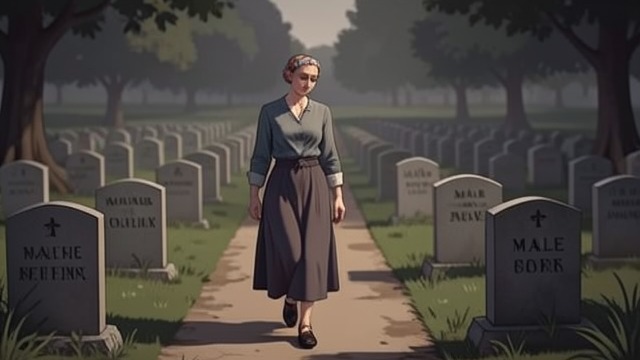
Athanasia searches among elaborate, carefully tended graves bearing many Malavas names. None matches the date she remembers, and without a photograph she cannot identify her father.
A gendered absence
She notices that the graves she has passed belong to men. The village seems to have lost its women from both its living streets and its cemetery.
Her personal search opens onto a broader question about who is remembered and who has been made to leave.
Leaving the Village
Leaving the Village
Help is withheld
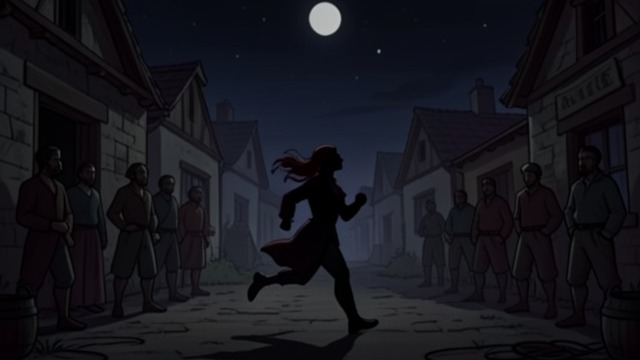
Athanasia returns to find her car gone. The barman points to the village policeman, who is off duty and drinking; no one offers a useful phone or taxi.
Escape rather than belonging
As the men watch her without sympathy, Athanasia understands that she cannot rely on them. She runs into the night, concluding that Arcadia is no place for a woman alone.
Her search ends without a grave, but with a sharper understanding of the social landscape she entered.
The year before Athanasia’s visit
A Sunday in Arcadia, late afternoon
Early evening on the day of her visit
Dusk on the same Sunday
Nightfall on the day her car disappears
