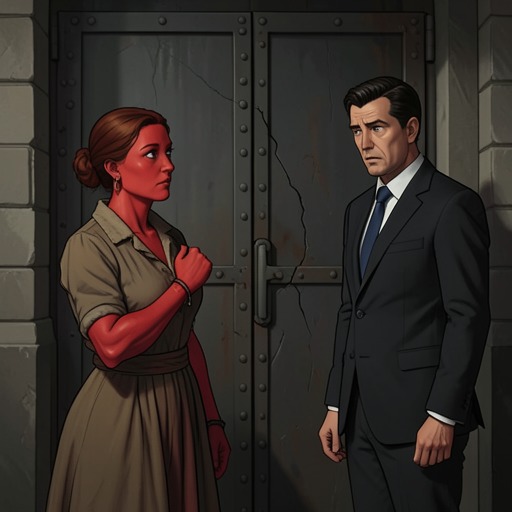
David and Laura Secretly Marry at the Courthouse
Cat PersonDavid and Laura’s secret courthouse wedding turns a proposal made in a bleak clinic parking lot into a private commitment to face an uncertain future together. A week after David asks Laura to marry him, they wed without telling their families or friends; the ceremony offers hope not as a cure or resolution, but as a promise that they will keep learning how to love each other through what comes next.
The Proposal and Its Circumstances
The proposal follows a discouraging medical appointment. David is disappointed, but Laura consoles him: they had known the process would be hard, and this is only a first step. The couple has connected online with people whose illnesses are difficult to diagnose, and supporters have supplied a twelve-page list of sympathetic doctors. David believes they will find answers, even if it takes a lifetime, and sees that Laura believes it too.
He has imagined proposing many times, but not in the shabby parking lot of a clinic beneath fast-moving gray clouds. When the words come, he does not hold them back. His question gives voice to a shared future at a moment when medical certainty is unavailable; the proposal is not a declaration that their troubles are over, but a choice to continue facing them together.
A Private Courthouse Ceremony
They marry one week later in a courthouse and tell no one: neither their parents, their acquaintances in San Francisco, nor their friends in New York. Their secrecy makes the wedding intimate but also separates it from the public recognition that usually accompanies a marriage. They ask another clandestine couple to serve as witnesses, and strangers take a handful of photographs.
Laura buys a new dress because her old clothes no longer fit and decorates a charming vintage hat with a veil. In the photographs, she looks painfully pale, and the prominent scar on her cheek shows through the veil. She seems sad when she sees the pictures. David understands why: they will not be displayed on a mantel for admiring grandchildren to whisper over. Still, the couple imagines doing it again, better next time. The imperfect record does not invalidate the marriage; it leaves open the possibility of another celebration.
Commitment Without Resolution
The wedding’s emotional promise lies in that openness. David and Laura understand their marriage not as a perfect ceremony or a final answer to Laura’s illness, but as the beginning of an ongoing effort to discover how to love one another. Their confidence rests on time and possibility: they believe they have a whole life in which to get it right.
On their wedding night, however, the illness intrudes again. Laura’s first puncture has healed into a raised, glossy scar, but a new blister has formed about a centimeter above it. David touches the warm swelling on her otherwise cool skin and feels it pulse beneath his fingertip. The tiny beat darkens the wedding’s hopeful ending: their commitment is real, but the bodily danger that has shaped their lives has not disappeared.