
Imagination Versus Passive Consumption
Charlie and the Chocolate FactoryThis flow traces the novel’s argument that active imagination is liberating while passive media consumption narrows the mind.
increasing Bearing strength in each event
 decreasing
Bearing strength in each eventdecreasingStory-Born Wonder
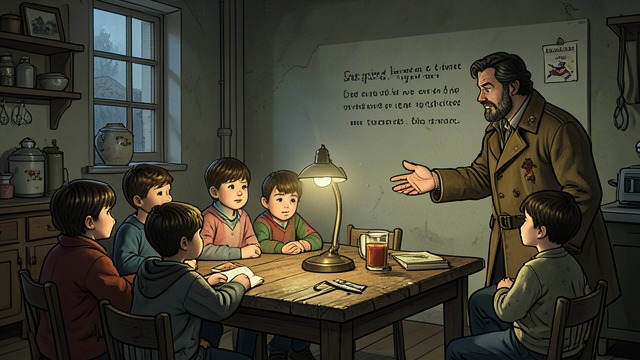
Story-Born Wonder
Oral Imagination
Grandpa Joe’s stories of Willy Wonka and Prince Pondicherry transport Charlie Bucket beyond the poor bedroom. Imagination creates abundance before circumstances change.
Shared Attention
The family listens together, turning storytelling into a communal practice. Wonder strengthens their bond rather than isolating its audience.
Passive Screen
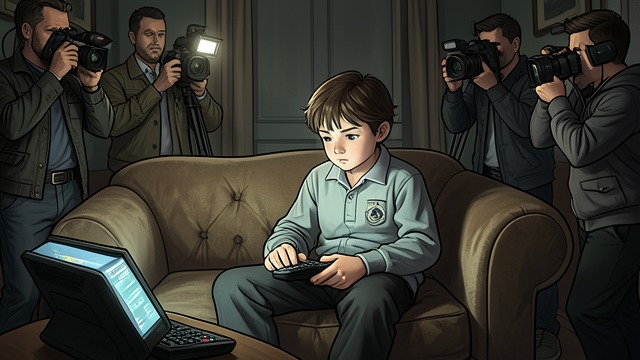
Passive Screen
Captive Attention
Mike Teavee remains fixed on television even while reporters surround him. His world is organized by images that demand no creative participation.
Violent Fantasy
Gangster films and toy pistols replace reflection with imitation. Television addiction becomes both a personal habit and a cultural warning.
Reading Alternative
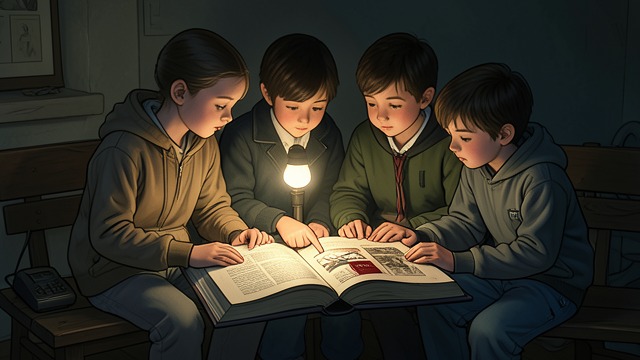
Reading Alternative
Oompa-Loompa Argument
“The most important thing we've learned” song claims television rots the senses and kills imagination. Its exaggerated language expresses a serious fear of mental passivity.
Active Culture
Books are offered as the neglected alternative. Reading restores inward movement, curiosity, and the capacity to imagine worlds beyond the screen.
during Grandpa Joe’s evening stories
when the fourth Golden Ticket is announced
after Mike Teavee’s transportation
