
The Ethics of Appetite
Charlie and the Chocolate FactoryThis flow examines how the novel distinguishes legitimate hunger from destructive appetite.
increasing Bearing strength in each event
 decreasing
Bearing strength in each eventdecreasingLegitimate Hunger

Legitimate Hunger
Physical Need
Charlie Bucket’s hunger is caused by Poverty and Unemployment, not by selfishness. His family attempts to divide scarce food fairly.
Moral Restraint
Charlie’s refusal to steal or seize others’ portions gives his hunger dignity. Need does not become an excuse for harming others.
Destructive Appetite
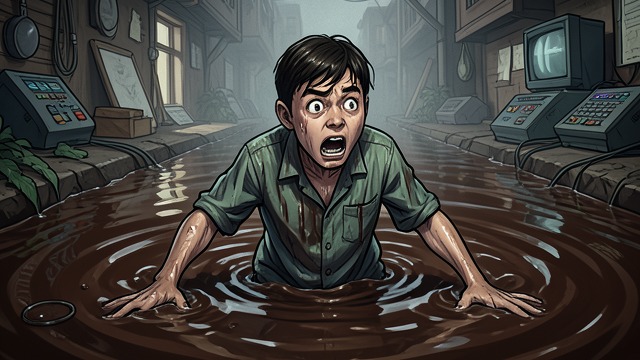
Destructive Appetite
Excess Without Need
Augustus Gloop has access to food but cannot stop consuming it. His appetite is represented as a compulsion detached from nourishment.
Consequence
The Chocolate River exposes the difference between hunger that deserves compassion and greed that ignores boundaries. His fall makes appetite physically self-consuming.
Generous Plenty

Generous Plenty
Provision for Others
Charlie Bucket’s promised supplies are directed toward his entire household. Abundance gains moral value when it answers another person’s need.
Reversal of Values
The novel does not condemn sweets themselves. It condemns ungoverned consumption and celebrates the generous distribution of plenty.
during the family’s winter crisis
during the Chocolate Room visit
near the ending after Charlie wins
