
James Lightfoot’s Loyal Friendship
CherryThis thread follows James Lightfoot from an easygoing friend and fellow outsider to a practical ally whose loyalty persists as the narrator’s life narrows into addiction and crime.
increasing Bearing strength in each event
 decreasing
Bearing strength in each eventdecreasingThe Burning GTI

A Friend in the Smoke
A small disaster
James Lightfoot accompanies the narrator to the bank in his newly purchased, battered GTI. The narrator goes inside to dispute an overdraft charge; when he comes back out, James and Roy are watching the car burn. The bank has not corrected its mistake, and the car is nearly lost.
Shared consolation
They salvage what they can—plates, CDs, and stereo equipment—and walk back toward James’s mother’s house. No one has much to say. They smoke Roy’s marijuana and briefly recover the feeling of being winners, not because anything has been repaired but because they are together and can make a ritual out of failure.
The episode establishes the friendship’s register: practical, undemanding, and founded on enduring bad luck without pretending it is meaningful. James is not a rescuer; he is someone who stays beside the narrator when the day goes wrong.
Room for the Drifters
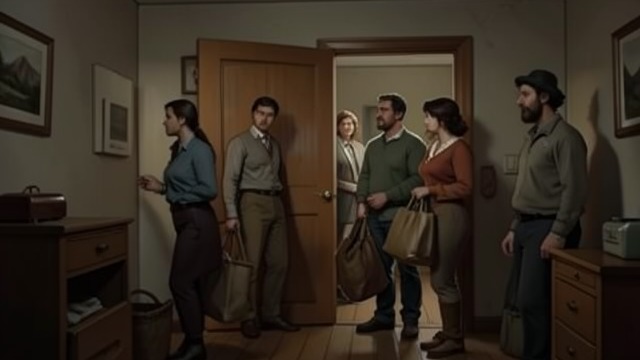
An Open Door
A makeshift household
After leaving college, the narrator moves into an apartment on Murray Hill with Roy, Joe, James Lightfoot, and others who drift in and out. The home is not a settled family arrangement: people share space because it is available, and their plans remain uncertain.
A friend without ceremony
James fits the household because he does not demand that its members perform success. His long hair, quiet manner, and mother’s still-furnished family home mark him as someone whose life has stalled, but the narrator values him as a friend who remembers birthdays and does not go looking for trouble.
That modest reliability matters in a circle where money, work, and relationships are unstable. James offers companionship without a program for improvement, a quality the narrator recognizes even when neither of them knows how to build a different future.
The Misplaced Break-In
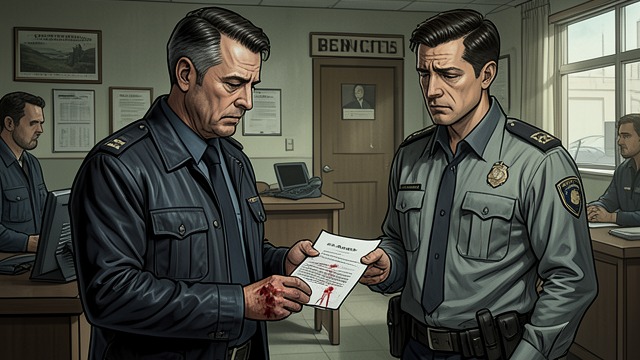
Friendship at the Police Station
Helping with an old problem
James Lightfoot gets into trouble and needs the narrator to accompany him to a police station in Linndale. Because James has unpaid fines, he risks being arrested if he appears there himself. The narrator takes money from him and pays the fine on his behalf.
The friendship’s familiar logic
The narrator has used cocaine before leaving home and is carrying traces of it on his hand, but the officer does not confront him about it. Their task succeeds by a narrow margin. The episode does not make either man more secure; it shows how ordinary favors now take place alongside drugs, legal exposure, and the expectation that a routine errand may become dangerous.
James still trusts the narrator with a problem that could have consequences for him. The favor also reveals the narrator’s divided position: he can act responsibly for a friend while remaining deeply compromised himself.
The Pancake Misunderstanding
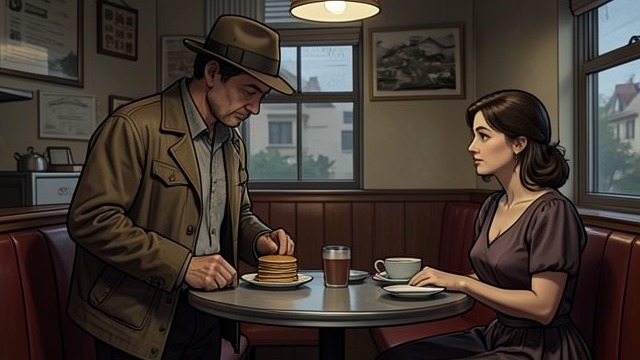
A Story Distorted by Others
A casual invitation
The narrator invites several friends, including James Lightfoot, to get pancakes. The others decline, and Zoë is the only person who accepts. The narrator goes with her, while admitting to himself that he may be attracted to her but insisting that the meal was not a planned secret date.
The cost of gossip
Roy later tells Emily a version that makes the outing sound like a deliberate romantic rendezvous. Emily is furious, and the narrator’s explanation cannot undo the impression that his friends have helped turn an ordinary invitation into evidence against him.
James’s part in the episode is small but revealing: he is one of the friends asked and one of the people who declines, while the surrounding circle supplies the misunderstandings that inflame the narrator’s relationships. Friendship offers little protection from gossip, and the narrator’s need to interpret every slight as betrayal keeps weakening the bonds around him.
Money for the Next Robbery
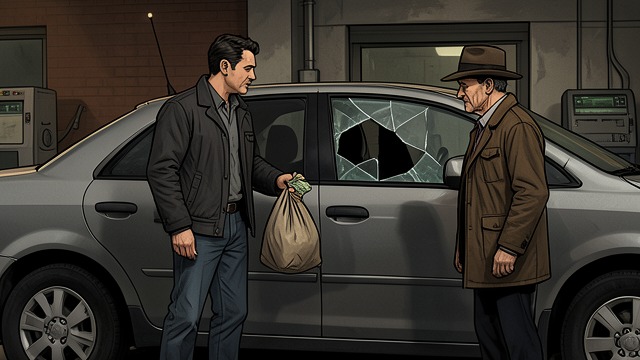
Trust as Unsecured Credit
An appeal for cash
After a cocaine deal arranged through Rider goes badly, James Lightfoot gives the narrator one thousand dollars. The narrator has brought him cocaine that Rider has badly adulterated, so James has reason to suspect that he has been cheated too. He nevertheless does not turn the loss into a rupture.
Friendship inside the criminal economy
The narrator regards James as capable of mistakes but not of deliberately robbing him. That distinction is the basis of their continuing trust. Soon afterward, James also drives the narrator in connection with a bank robbery, accepting a role that places him near a serious crime even though he is not the one who enters the bank.
The friendship has not become clean or safe; it has been absorbed into the narrator’s criminal life. James’s assistance is a sign of loyalty, but it also helps the narrator continue a pattern that may endanger both of them.
Early in the narrator’s college years
After the narrator leaves college
Several years after the narrator returns from the Army
After the narrator’s relationship with Emily has broken down
Late in the narrator’s Cleveland drug years
